




Introduction — First Steps with Brussels Public Transport
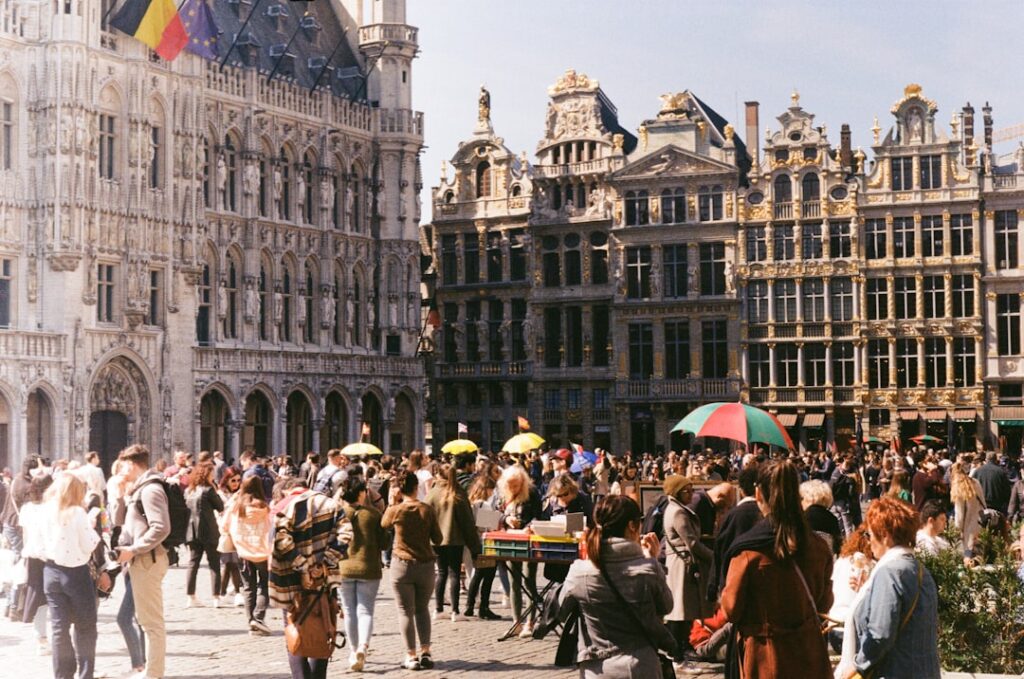
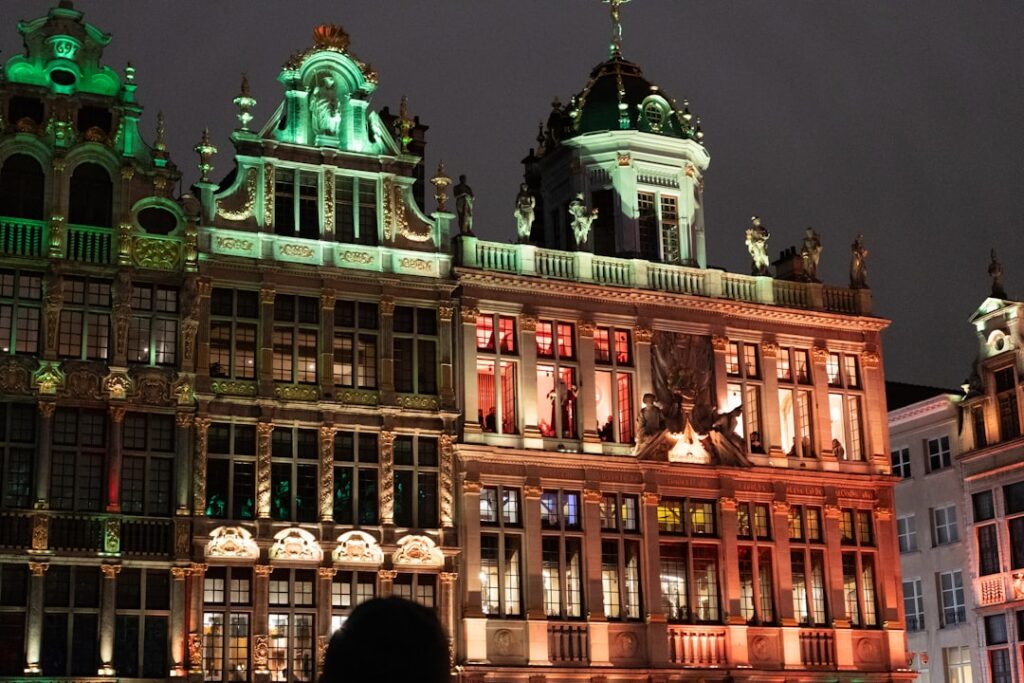
Brussels is a dense, polycentric capital where trams, the metro and buses form the backbone of daily travel. Whether you’re in town for a short stopover, a business trip or settling in for a while, getting to grips with the public transport network makes exploring neighborhoods — from the European Quarter to the Grand Place, from Ixelles ponds to the suburbs of Koekelberg — much easier. This guide offers a pragmatic, detailed and useful introduction to the Brussels Intercommunal Transport Company (STIB/MIVB), with precise addresses, indicative fares in euros, typical schedules, immersive descriptions and local tips to save time and travel more calmly.
STIB runs the metro, trams and buses in Brussels. The metro network currently has four lines numbered 1, 2, 5 and 6 which cover the main east-west and north-south axes. Trams shape the city at street level, offering frequent and often picturesque connections (lines 3 and 4 serve central stretches at high frequency). Buses fill in the gaps, especially to residential areas and peripheral municipalities where metro and tram don’t reach. Learning to read the maps, validating your ticket when boarding and knowing the basic schedules will save you time and avoid frustrations — especially at rush hour when some trams and buses can be very crowded.
On the ground: major hubs like Brussels-Central (Brussel-Centraal, Rue de la Vierge Noire 1, 1000 Brussels), Brussels-South (Brussel-Zuid, Place Victor Horta 1, 1060 Brussels) and interchange points such as Brussels-North (Brussel-Noord, Rue de Brabant 1, 1000 Brussels) are key transfer stations. At main stations you’ll find STIB ticket counters, vending machines, information kiosks and points to buy or top up your MoBIB card. Fares vary by duration: single tickets, day passes or multi-day passes; we detail these options and approximate costs below, plus the practical MoBIB rechargeable card option (small initial deposit and recharges online or at stations).
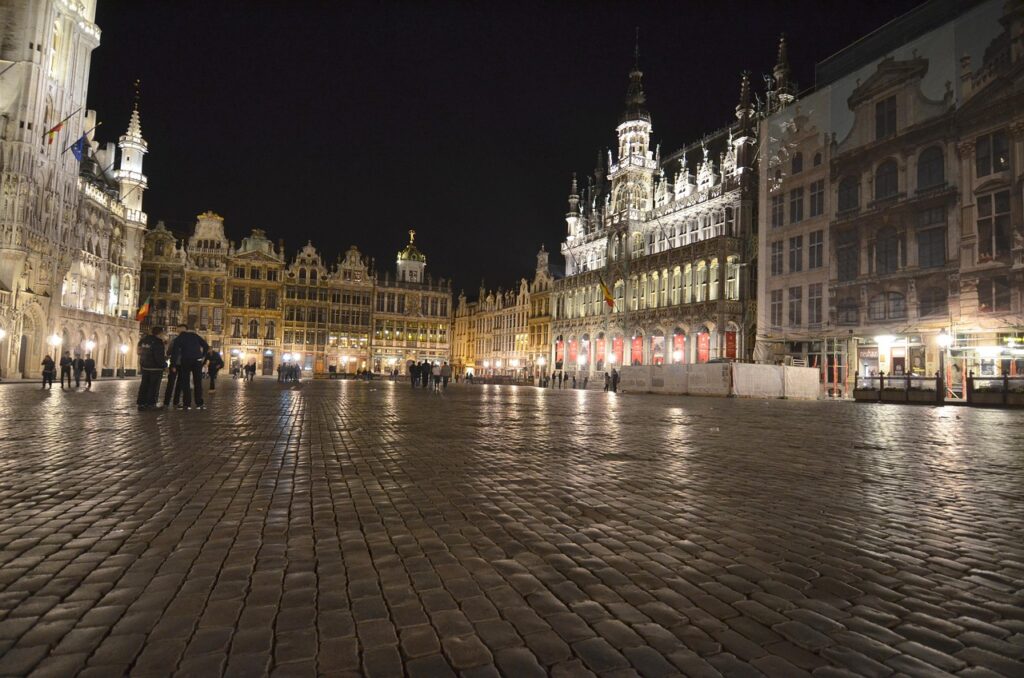
This guide covers: buying and validating tickets, typical schedules (morning/late night), the key lines to know for a first visit, where to get help (addresses and opening hours of STIB offices), a few practical routes (from Gare du Midi to the Grand Place, from the European Quarter to Central Station), and safety and accessibility tips. By the end you’ll have a solid foundation to move around quickly and economically, with addresses and schedules to consult when planning your days in Brussels.
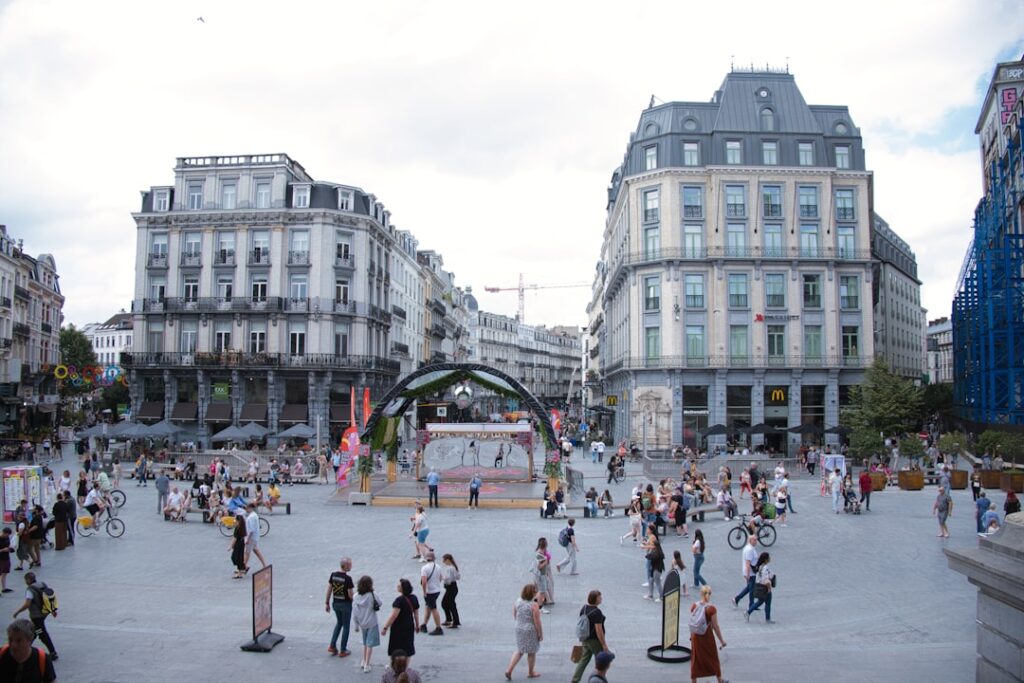
The Brussels Metro: Lines, Key Stations and Practical Timetables
The Brussels metro is the fastest way to cross the city east-west or north-south. The four current lines are 1, 2, 5 and 6. Lines 1 and 5 run on an east-west axis, while 2 and 6 form a north-south loop. Must-know stations include Brussels-Central / Brussel-Centraal (Rue de la Vierge Noire 1, 1000 Brussels) which gives direct access to the Grand Place (5 minutes on foot), Brussels-South / Brussel-Zuid (Place Victor Horta 1, 1060 Brussels) for international connections (Thalys, Eurostar, intercity trains), and Arts-Loi / Kunst-Wet (Boulevard du Jardin Botanique 1, 1000 Brussels) for links to the European Quarter.
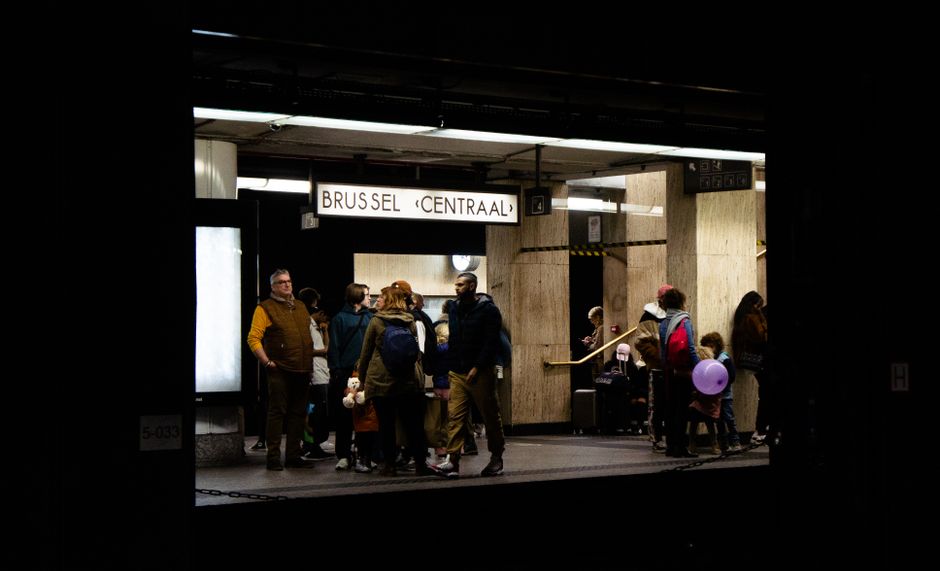
Typical hours: on weekdays the metro generally runs from about 5:30 AM to 12:30 AM. Frequencies vary by section: during peak times (7:00-9:00 and 16:30-18:30) expect a metro every 3 to 5 minutes on central stretches; off-peak, every 6-10 minutes; at night (after 12:30 AM) service may be reduced and some lines suspended. Weekend service is similar but sometimes slightly extended on Friday and Saturday nights (check official times on stib.be or via the STIB Mobile app). During events or engineering work, replacement buses are arranged for affected stations.
Accessibility and comfort: most central stations have escalators and lifts (check for lift availability in advance if you’re traveling with a stroller or a wheelchair). Modern trains have bright displays and audio announcements in French and Dutch. If you’re in a hurry, remember that transfers at Brussels-South between metro and trains can require a 5 to 12 minute walk depending on your arrival platform.
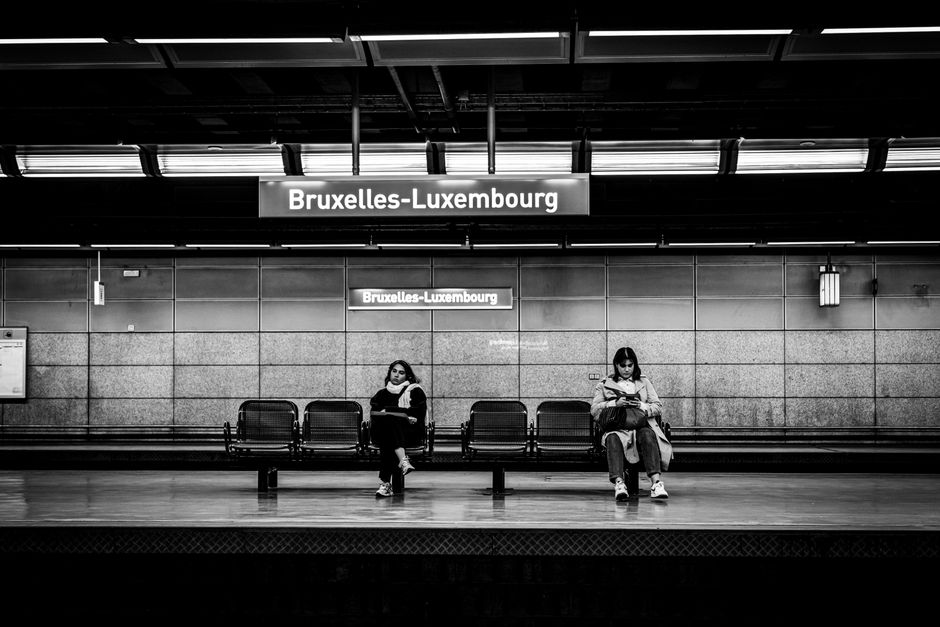
Practical tips: validate your ticket before entering the platform area — you can be checked and fined if you travel without a valid ticket. For tourists, the 24-hour ticket is often the most convenient (see fares section). Plan journeys between main stations: for example, from Brussels-South to Brussels-Central by metro (line 2/6 + a short transfer) takes around 10-12 minutes; from Brussels-Central to Schuman (European Quarter) allow 8-10 minutes on line 1 or 5 with transfers depending on timing.
The Tram Network: Picturesque Lines, Recommended Routes and Landmarks
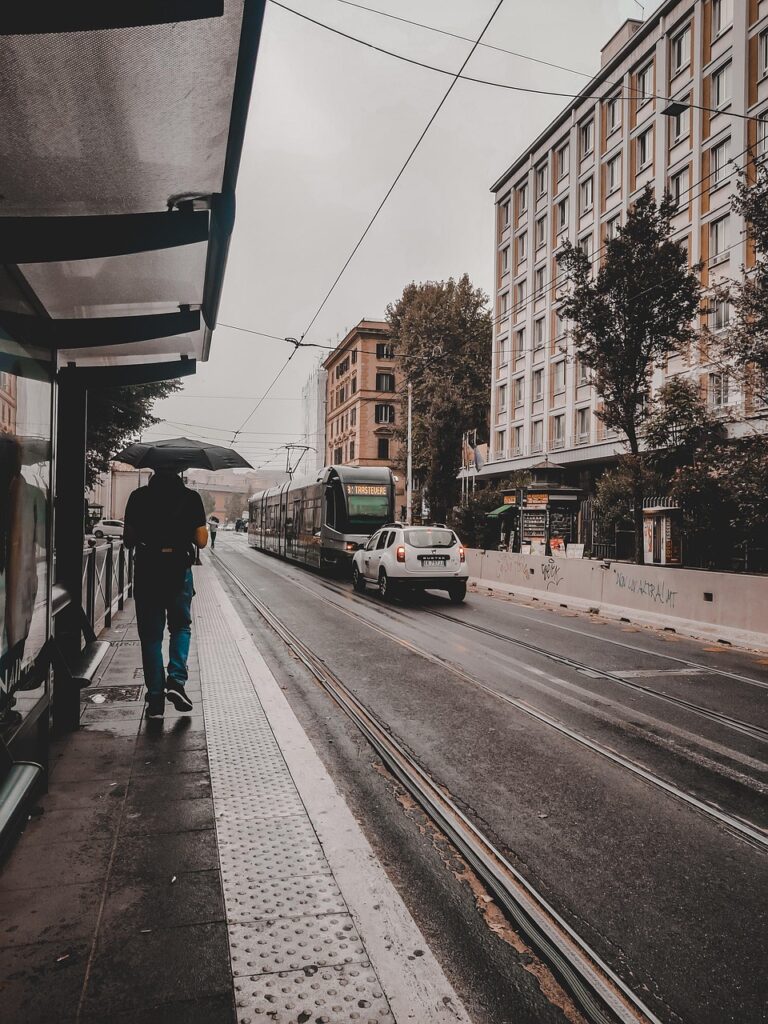
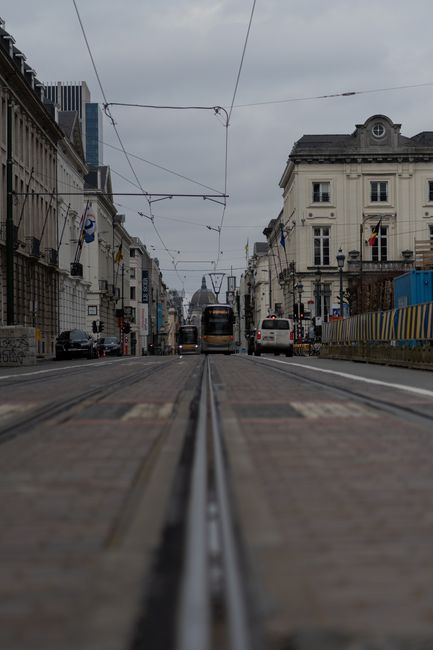
Brussels trams are both practical and a charming way to see the city. Trams run through historic neighborhoods, tree-lined boulevards and shopping avenues. Trams 3 and 4, which cross the city center, are very handy for connecting Brussels-North, Boulevard Anspach, the Bourse and Sainte-Catherine square. Line 7 serves areas like Etterbeek and Montgomery, useful for reaching parts of the European Quarter and Ixelles. Lines 81 and 82 cover more local stretches between Laeken, Neder-Over-Heembeek and the east of the city.
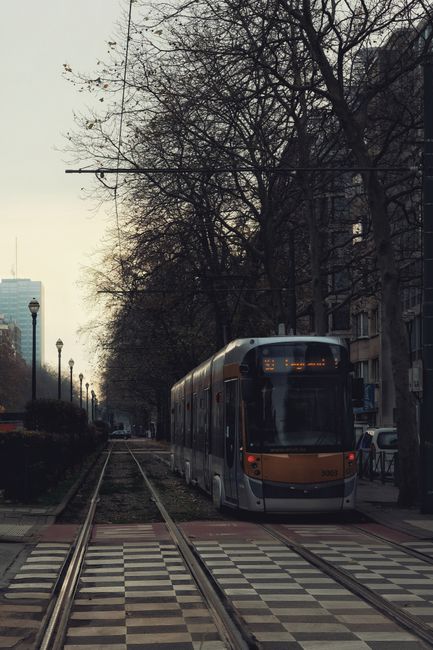
Notable lines and stops:
– Tram 3: Esplanade — Churchill via Parc Royal, useful for the center.
– Tram 4: Stalle Parking — North Station (Gare du Nord), crosses Brussels-Central and Porte de Namur.
– Tram 7: Heysel — Drogenbos Château via Montgomery and Tomberg, useful for access to European institutions.
– Tram 81/82: circle residential neighborhoods in Etterbeek, Schaerbeek and Saint-Josse.
Timetables: trams generally run from around 5:00-6:00 AM until 12:00-1:00 AM depending on the line. During the day central lines can run every 5-10 minutes (3, 4, 7) and peripheral lines every 10-20 minutes. In the early morning and late evening frequencies drop; night services (Noctis / De Lijn in some municipalities) can fill gaps. Always check live timetables in the STIB app, as roadworks or demonstrations can change routes.
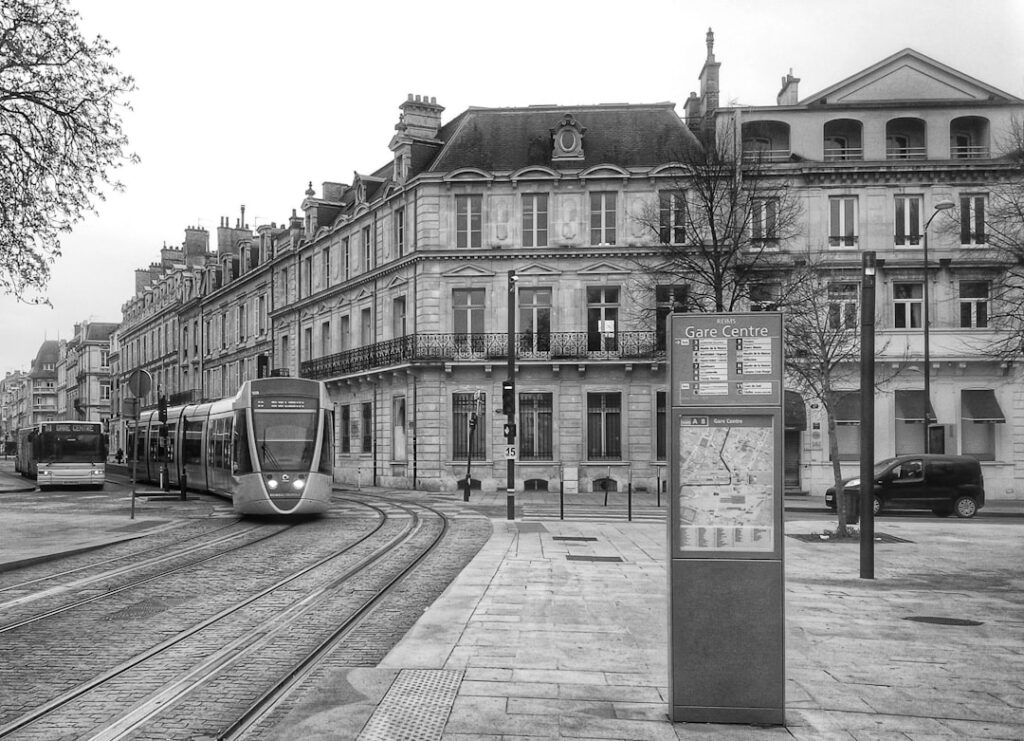
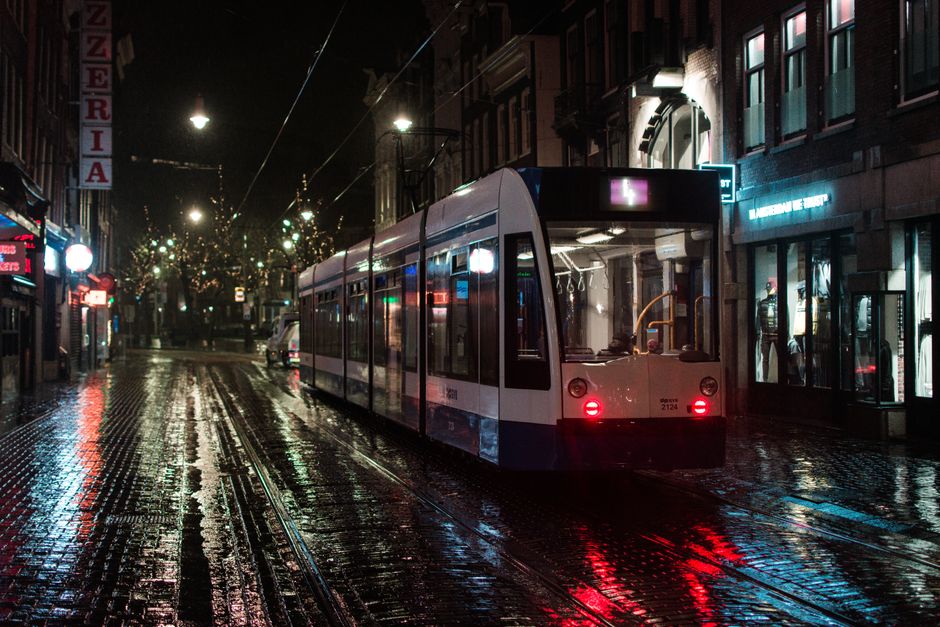
Local tips: board and alight via the central doors if you’ve already validated a ticket; if you buy a ticket on board you may face a surcharge and some vehicles don’t always allow onboard purchases (prefer station machines or the app). Older trams have a nostalgic charm (wood, large windows) but modern trams are more accessible and air-conditioned. For photogenic views, get off at the « Bourse » stop for quick access to the Grand Place (5 minutes on foot) or « Parc » for the Royal Palace and Brussels Park.
The Bus Network, MoBIB Cards and Indicative Fares
Buses complete the network where metro or tram don’t serve your destination. Lines 14, 71, 95, 136 and 165 are examples of important routes linking outer neighborhoods, stations and business hubs. For example, line 71 connects Montgomery (Avenue Paul Hymans 29, 1200 Woluwe-Saint-Pierre) to Schaerbeek/Brussels-North, handy for trips to Brussels-North station. Line 95 links Brussels-North to Place Liedts (Schaerbeek). Buses are also the main way to reach districts like Uccle, Forest or Watermael-Boitsfort.
Tickets and MoBIB card: the MoBIB system (rechargeable card) is the most convenient solution for longer stays. The initial cost of a MoBIB card is generally around €5.00 (deposit refundable at certain STIB points). Typical fares:
– Single STIB journey ticket (valid 1 hour, transfers included): around €2.10;
– 24-hour ticket (calendar day or 24h from first validation): around €7.50;
– 48-hour pass: around €14.00;
– 72-hour pass: around €18.00.
Fare notes: prices are indicative and may change — always check the official site stib.be or an STIB counter. You can buy tickets at station vending machines (card or cash), at main ticket counters (e.g. STIB Info Point at Brussels-Central, Rue de la Vierge Noire 1, usually open 6:00-20:00) or via the STIB mobile app. MoBIB recharges can be made at stations, selected kiosks or online.
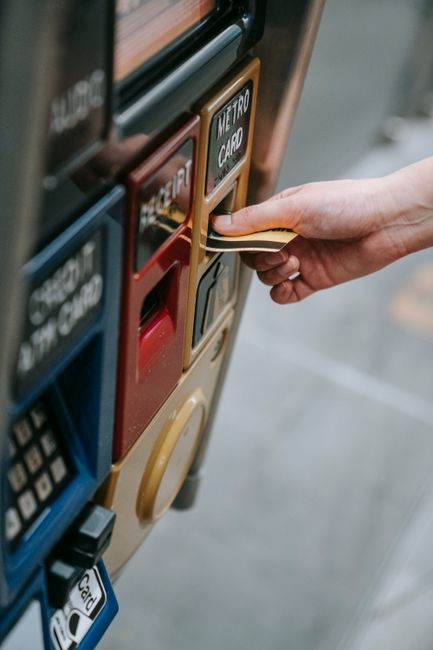
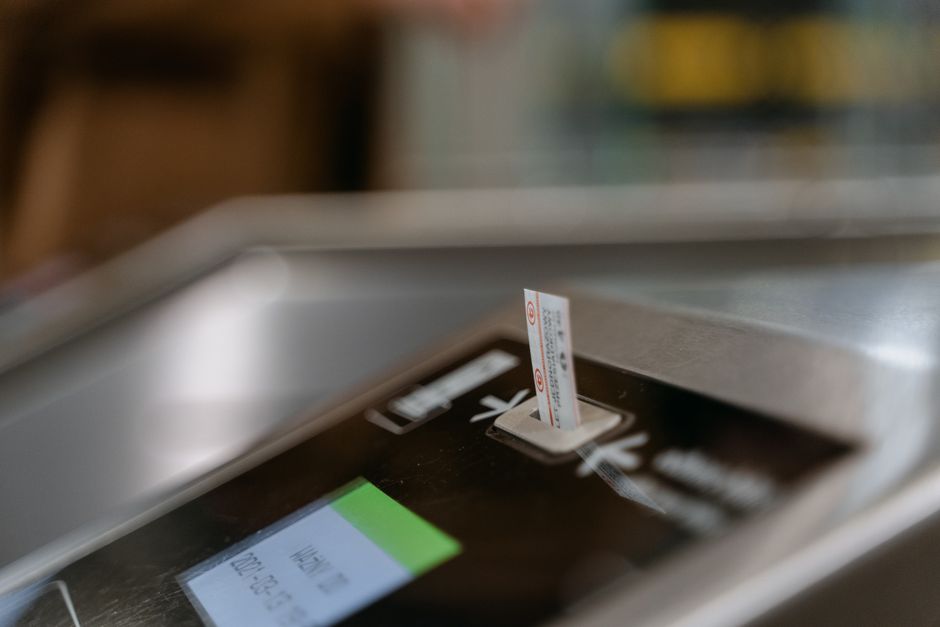
Checks and advice: always validate when boarding (bus/tram) or before accessing the metro platform. If checked without a valid ticket, fines can be steep (regularization fare plus penalty). For visitors, 24/48/72-hour cards offer the best price/flexibility: hop on and off freely for the duration. If you plan to stay more than a week, a rechargeable MoBIB card becomes cost-effective.
Practical Tips, Safety and Recommended Routes for Beginners
Some local tips to get started:
– Plan journeys with the STIB Mobile app or Google Maps (transit mode).
– Allow an extra 10-15 minutes for inter-station transfers (especially at Brussels-South where train platforms and metro access are spread out).
– Avoid peak hours if possible (7:00-9:00 and 16:00-19:00), or walk short distances if the center is within reach (the downtown area is compact).
– Keep a paper copy or screenshot of your route in case you lose network access.
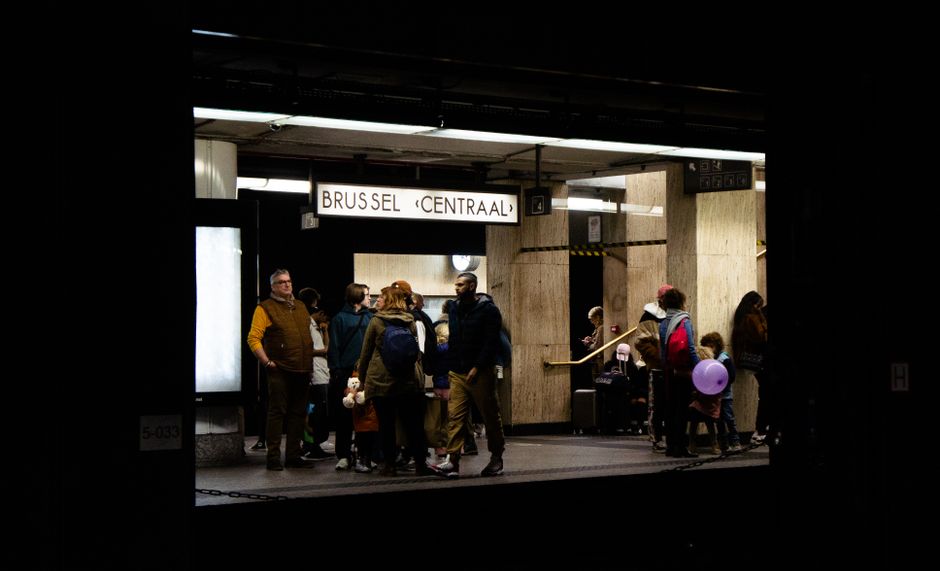
Safety: Brussels is generally safe during the day; stay alert in busy tourist areas (pickpockets around the Grand Place, crowded stations). In the evening stick to main lines and avoid isolated stops late at night. STIB officers patrol the network and emergency numbers are posted in stations. For people with reduced mobility, check lift availability and accessible routes before traveling — some older stations still lack lifts.
Useful routes:
– From Brussels-South (Place Victor Horta 1, 1060 Brussels) to the Grand Place: take the metro (line 2/6) toward Elisabeth / Simonis, get off at Brussels-Central (3 stops) then walk 5 minutes. Time ~12-15 minutes, single ticket ~€2.10.
– From the European Quarter (Schuman, Place Luxembourg 1, 1000 Brussels) to the Grand Place: take tram 92/94 or metro line 1/5 toward De Brouckère and walk 5-8 minutes.
– From Brussels Airport (Brussels Airport, Departures Hall, 1930 Zaventem): take the direct train to Brussels-Central (Brussel-Centraal) — then metro/tram depending on your destination. Airport shuttle buses (Airport Express) also run, check fares separately.
By following these recommendations and using official digital tools, you’ll be able to navigate Brussels efficiently and confidently. The addresses mentioned (Brussels-Central, Brussels-South, Arts-Loi, Montgomery) are reliable landmarks to orient yourself quickly.
Conclusion — Smart Travel in Brussels: Practice to Master It
Getting comfortable with Brussels’ trams, metro and buses takes a little practice, but learning is quick if you start with a few main routes and stations: Brussels-Central, Brussels-South, Arts-Loi/Schuman and Montgomery. Ticket options (single, 24/48/72-hour passes, MoBIB card) offer flexibility depending on the length of your stay; consistently validating your ticket and checking schedules in advance will spare you unpleasant surprises. The fares listed (single ≈ €2.10, 24h ≈ €7.50, 48h ≈ €14.00, MoBIB deposit ≈ €5.00) are useful reference points — double-check stib.be before traveling as prices can change.
In short, Brussels is easy to get around if you know where to buy and validate tickets, what the typical metro and tram hours are, and how to plan transfers. Favor central lines to save time and don’t hesitate to walk short distances — the historic center is often faster on foot than by multiple transfers. Stay vigilant and enjoy the network: trams offer picturesque views, the metro saves precious minutes, and buses reach neighborhoods you’ll want to explore off the beaten path.