





Introduction
Brussels is a city where history, architecture and spirituality meet on every corner. As Belgium’s capital and a hub for European institutions, Brussels has also preserved a rich religious heritage that reflects centuries of faith, art and social change. This guide presents the “7 Must-See Religious Landmarks in Brussels”: a curated selection designed to offer a varied route through soaring Gothic cathedrals, monumental basilicas, Baroque churches, popular places of worship and interfaith sites. Each location highlights a different facet of the city’s religious and urban history, from medieval processions to contemporary social initiatives led by local communities.
Whether you’re a traveler interested in architecture, a history buff, a photographer hunting for beautiful light, or simply curious to soak up the atmosphere of Brussels’ houses of worship, this guide provides practical, immersive information: exact addresses, visiting hours, current prices in euros, detailed descriptions of the spaces and local tips to make the most of your visit (best times, viewpoints, transport access, nearby shops and cafés). I’ve also included advice on respecting these sites (silence, dress, photography) and suggestions for extending your visit with nearby walks or museums.
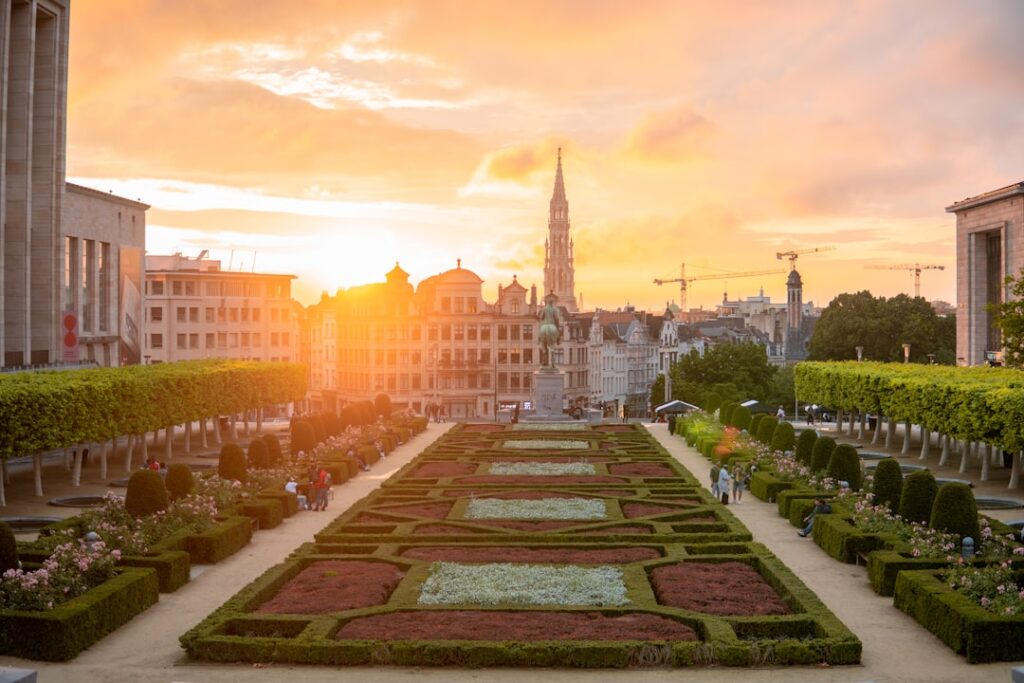
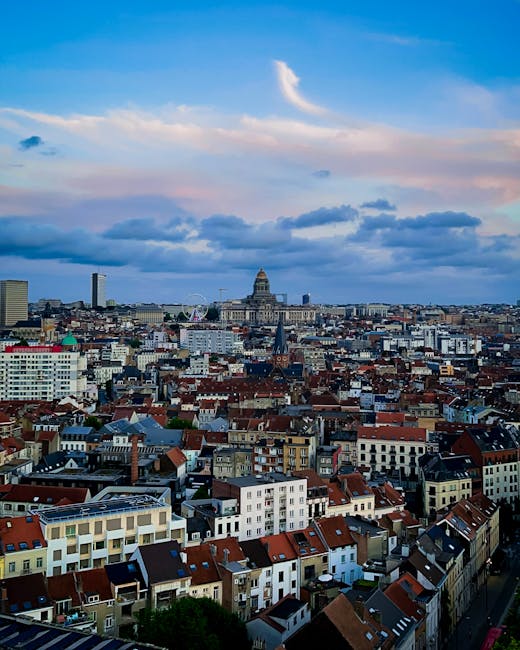
Each section is structured to give you a complete picture of the monument: historical and architectural background, must-see features (stained glass, chapels, façades, crypts, panoramas), practical info (exact address, entrance fees, typical opening times) and local tips (best times to avoid crowds, suggested itineraries, cultural associations offering guided tours, cafés and guesthouses nearby). The seven sites cover several neighborhoods: the historic center (Grand-Place, Sablon, Mont des Arts), the Royal Quarter (Place Royale), the Sainte-Catherine dock area, Laeken and Koekelberg.
To help with planning your shots, I’ve placed image cues throughout the article pointing out particularly photogenic views: softly lit interiors, carved façades, city panoramas from towers, and close-ups of metalwork and stained glass. These visual markers will help you plan photo sessions or simply decide which spots to prioritize.
1. St. Michael and St. Gudula Cathedral (Brussels Cathedral)
Address: Place Sainte-Gudule, 1000 Brussels (City Centre).
Opening hours: generally open to the public Monday to Saturday 08:00–18:00, Sundays from 09:00 (service times vary). Check opening times before you go because of religious services and special events.
Price: free to enter the nave; donations welcome (0–5 € suggested). Occasional paid guided tours (around 5–7 €).
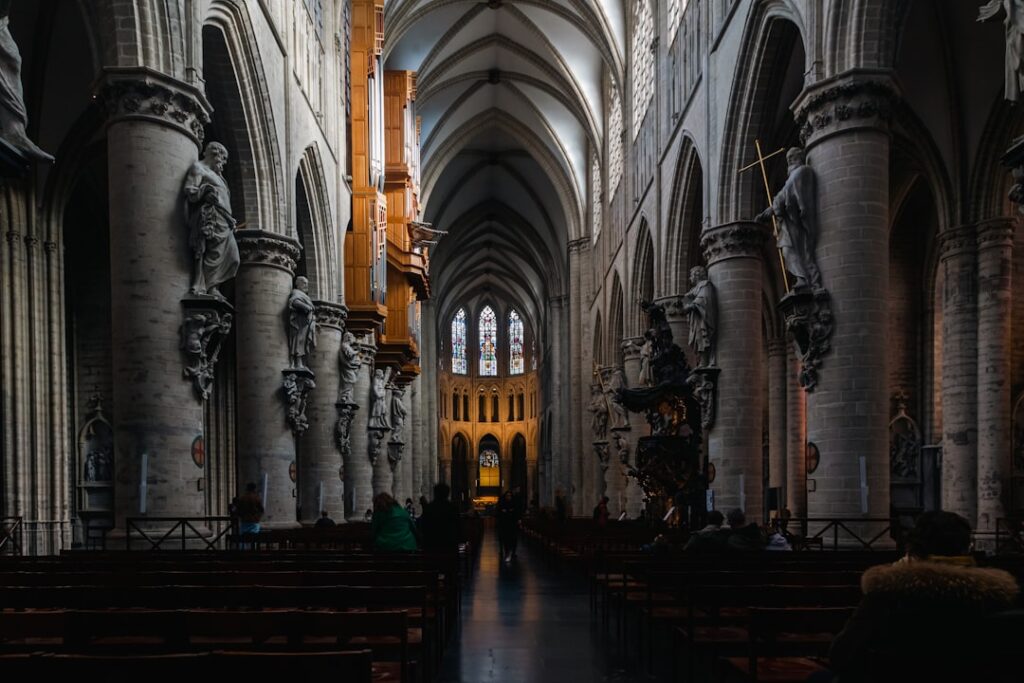
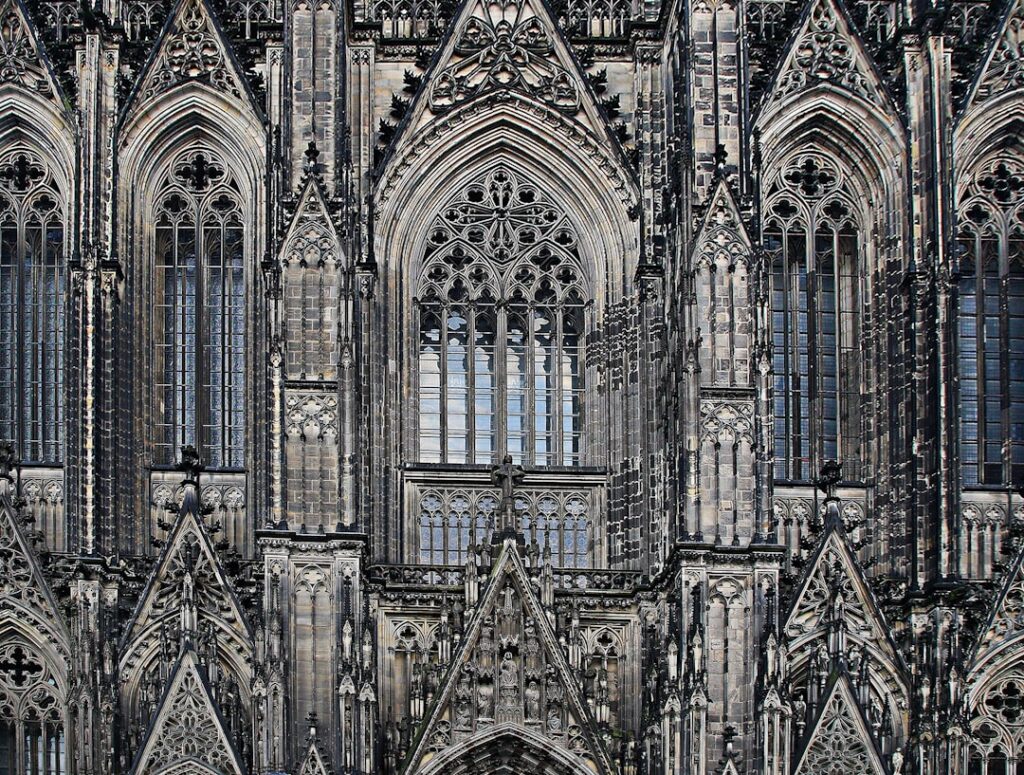
St. Michael and St. Gudula Cathedral is one of Brussels’ major religious landmarks. Built mainly between the 13th and 15th centuries, it features a flamboyant Gothic façade dominating Place Sainte-Gudule. Inside, the soaring nave, ribbed vaults and a series of side chapels present a visual narrative of medieval and later religious art. The stained glass—some panels dating from the 16th and 17th centuries—casts colored light that changes the mood of the interior throughout the day.
Don’t miss: the high altar, the carved choir stalls, the cathedral treasury (liturgical objects and relics), and the upper parts visible from the transept. Organ concerts, held regularly during the year, are a fantastic way to appreciate the building’s acoustics. Photographers should aim for early morning light filtering through the southern windows for dramatic color patterns on the stone floor.
Local tips: visit early to avoid tour groups and, if you want a quieter, more intimate experience, attend a service. Tower access isn’t always available—ask about heritage days or special guided openings. You’ll find plenty of cafés and restaurants nearby, and Mont des Arts park is just a short walk away.
2. National Basilica of the Sacred Heart (Koekelberg)
Address: Basilica Square, 1083 Koekelberg, Brussels.
Opening hours: open daily; the museum and dome are generally accessible 09:30–17:00 (seasonal variations). The basilica also holds regular services (Sunday mornings).
Price: basilica access is free; dome/platform access is about 6–8 € (adult price), with discounts for students and seniors; sometimes included in combination passes.
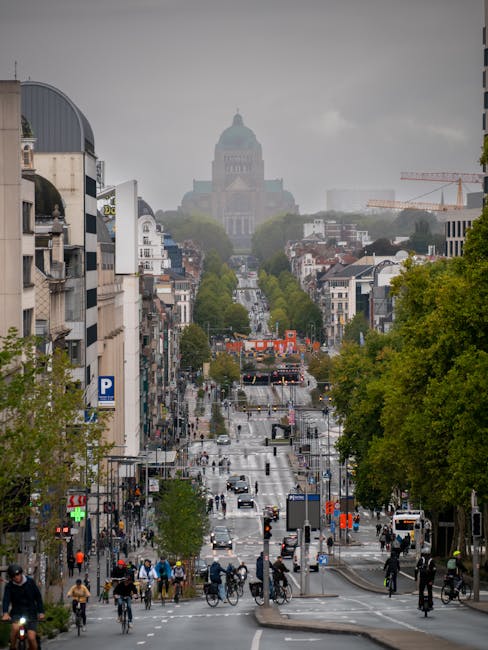
The Basilica of the Sacred Heart—known locally as Koekelberg—is an imposing Art Deco monument built in the 20th century and one of the largest basilicas in the world. Its massively rounded forms and dome contrast strikingly with the Gothic churches in the city center. The site offers both a religious and panoramic experience: stairs or an elevator lead up to a terrace with 360° views over Brussels, the Atomium and the surrounding hills.
Don’t miss: the vast, light-filled interior, contemporary mosaics and stained glass, the sanctuary showcasing modern religious art, and the museum charting the basilica’s history and 20th-century religious life. The panorama from the platform is ideal for photographers wanting a wide view of Brussels—the sunset light is particularly beautiful.
Local tips: wear comfortable shoes if you plan to climb stairs, though an elevator serves most levels. The basilica is quieter weekday mornings. After your visit, explore the Koekelberg neighborhood for local cafés and peaceful gardens; the tram or metro ride from the center takes roughly 15–25 minutes.
3. Our Lady of the Sablon Church (Church of the Sablon)
Address: Rue de la Régence 3, 1000 Brussels (Sablon neighborhood).
Opening hours: generally open Tuesday to Sunday 10:00–17:00; times may vary during the tourist season and for services.
Price: free entry; suggested donation 1–5 €. Guided tours by local groups are occasionally offered (around 5–10 €).
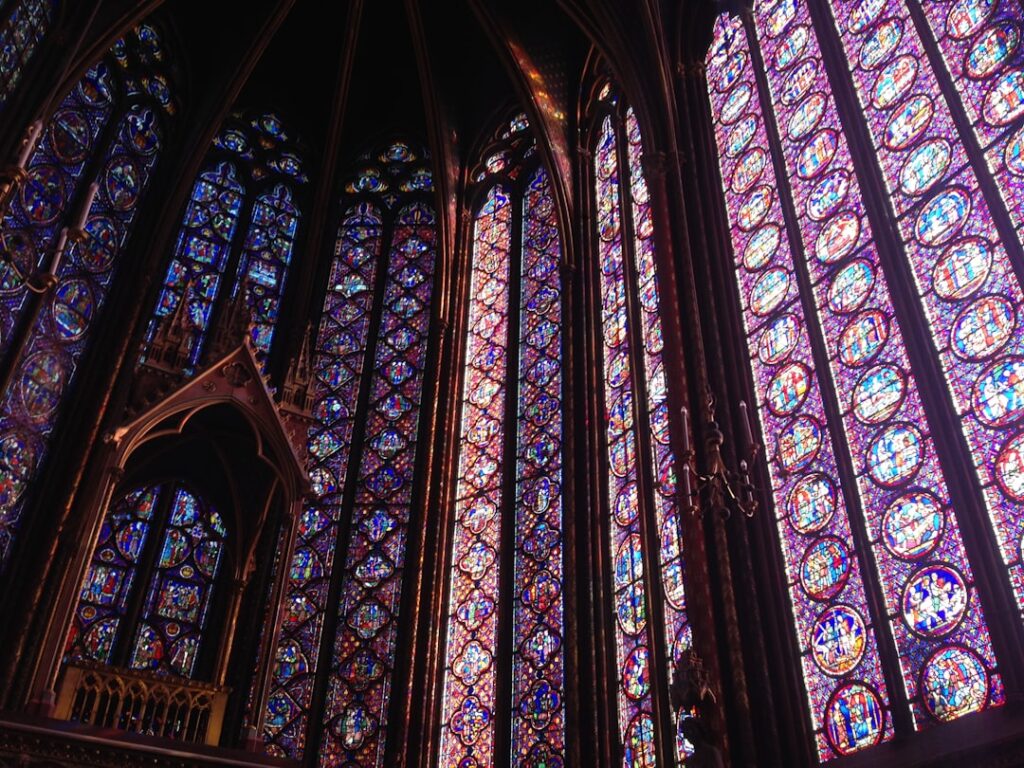
Our Lady of the Sablon (Onze-Lieve-Vrouw-ten-Zavel) is a Gothic gem tucked into the upscale Sablon district, known for its antique shops and chocolatiers. Built between the 15th and 16th centuries, the church is prized for its finely crafted stained glass and intimate atmosphere. Inside you’ll find richly decorated chapels, Baroque statues and an impressive collection of paintings and ornaments.
Don’t miss: the Blessed Sacrament chapel, the stained glass panels depicting religious and historical scenes, and the crypt, which sometimes hosts exhibitions. The nearby cloister-like space is perfect for a quiet moment after touring the church. The Sablon itself is ideal for extending your day—art galleries, antique dealers and tea rooms line the cobbled streets.
Local tips: visit early morning or late afternoon to catch side lighting on the stained glass. Pair the church visit with a stroll to the Grand Sablon square and a stop at a master chocolatier on Rue des Sablons for a tasty treat. Remember that services and private events (like weddings) can restrict access to certain areas.
4. St. James on Coudenberg Church (Royal Church of St. James)
Address: Place Royale 15, 1000 Brussels (Mont des Arts / Royal Quarter).
Opening hours: open to the public Monday to Saturday 09:00–17:00; Sunday hours may vary due to royal services and ceremonies.
Price: free access to the church; occasional guided tours (prices vary, often 3–7 €).
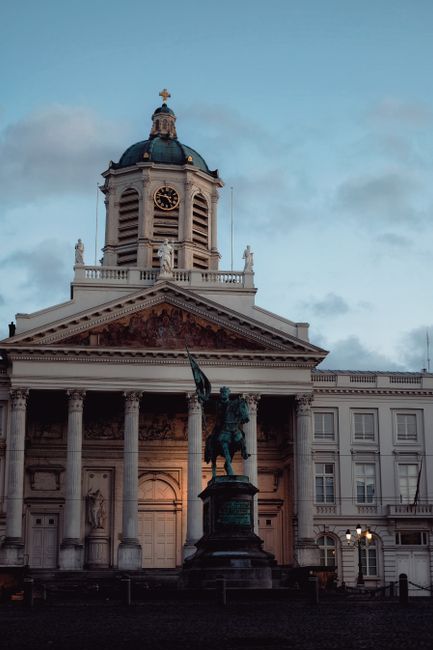
Perched on Place Royale opposite the Royal Palace, St. James on Coudenberg is an 18th-century neoclassical church. It has played a central role in Belgium’s political and religious life and occupies a key position in the city’s urban alignment between the Royal Palace and the old town. The interior’s restrained elegance reflects neoclassical ideals, offering a calmer counterpart to the grandeur of Gothic cathedrals.
Don’t miss: the balanced proportions of the nave, the side altars and a series of paintings and sculptures that illustrate biblical and historical episodes. The church is also known for solemn services and concerts of sacred music in an acoustically favorable setting.
Local tips: combine a visit here with a walk around Mont des Arts and a stop at the Magritte Museum or the Royal Museums of Fine Arts, both a short distance away. Place Royale often hosts public events—check for state ceremonies that might limit access.
5. St. Catherine’s Church (Saint Catherine)
Address: Place Sainte-Catherine, 1000 Brussels (near the quay and Brussels port).
Opening hours: generally open to the public 09:00–17:00; service times may vary and closures can occur for events.
Price: free to visit, with a suggested donation (1–5 €).
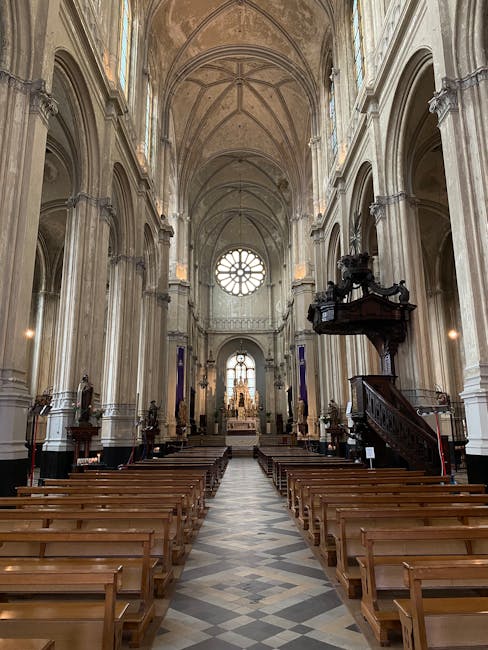
St. Catherine’s Church sits on the historic site of Brussels’ port and reflects a neighborhood shaped by both commerce and religious tradition. The building shows a mix of styles due to restorations over the centuries: a sober exterior contrasts with an interior that can be more ornate. Its proximity to the docks and markets gives the area a distinctive atmosphere, and the church still serves as a local community anchor.
Don’t miss: the main nave, a few side chapels, and the carved details on the façade. The surrounding area, with its seafood restaurants and craft markets, is well worth exploring after your visit. For urbanism enthusiasts, the church is a useful starting point to understand Brussels’ port and industrial evolution.
Local tips: try to visit during a market day (check the calendar) to feel the local energy and sample seafood at one of the nearby restaurants. The church often hosts temporary exhibitions—ask at the entrance about the current cultural program.
6. Great Mosque of Brussels (Mosque / Islamic Cultural Centres)
Address: Avenue van Volxem 266, 1190 Forest (Great Mosque of Brussels – main community site), or the Islamic Cultural Centre of Brussels depending on activities (various sites across the Brussels region).
Opening hours: mosques are primarily open for prayer: five daily prayers (times vary seasonally); tourist visits are sometimes possible outside prayer times and often by appointment.
Price: tourist visits are often free; donations are welcome for private guided tours.
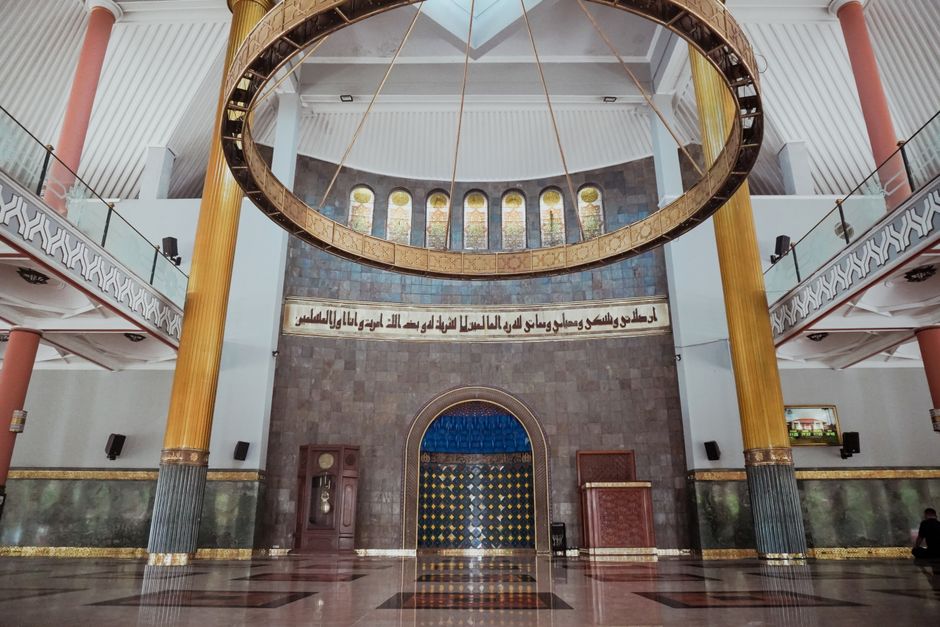
The Muslim presence in Brussels is visible through several mosques and community centres that play a central role in everyday life. The Great Mosque of Brussels (often associated with cultural centres in municipalities like Forest) welcomes worshippers and visitors alike. Interiors typically emphasize open space, restrained decoration and soft lighting, creating an atmosphere suited to prayer and reflection.
Don’t miss: an interior visit during a guided tour to see the main prayer hall, artisanal elements (woodwork, calligraphy), and, in some centres, exhibits about the history of Islam in Belgium. Cultural activities—lectures, exhibitions and workshops—offer a contemporary view of these institutions’ social role.
Local tips: strictly observe visiting rules: dress modestly, remove shoes before entering the prayer hall, and ask for permission before photographing. For deeper visits, arrange an appointment with the cultural centre; these are often free but may be paid if you opt for a detailed guided tour. Local communities can also point you toward architecturally notable mosques and public events.
7. Basilica of Our Lady of Laeken (Royal Basilica of Our Lady of Laeken)
Address: Avenue du Parc Royal / Laeken Park (main entrance), 1020 Brussels-Laeken.
Opening hours: the basilica is generally open to the public; visiting times vary, often 09:00–17:00; the royal crypt and certain areas may only be accessible during guided tours.
Price: basilica access is free; guided visits to the royal crypt or special exhibitions cost around 4–8 € depending on the event.
The Basilica of Laeken is a site of national significance, associated with the Belgian royal family and the Laeken royal cemetery. Designed in a neo-Gothic style by Léon Suys in the 19th century, it features slender spires, elaborate ornamentation and large stained glass windows. The building marks the entrance to the royal domain and sits within a park and elegant residential neighbourhood, offering a peaceful stroll after visiting.
Don’t miss: the exterior architecture, the royal crypt (if open), and the sculpted details of the portal. The nearby royal gardens are particularly lovely in spring when the Royal Greenhouses of Laeken open (limited seasonal dates). The basilica is also the setting for commemorations and official ceremonies.
Local tips: time your visit to coincide with the Royal Greenhouses season (usually open a few weeks in spring) for a full day of discoveries. Wear comfortable shoes for exploring Laeken Park and the surrounding area. The site is easily reached by tram or bus from the city centre, or by taxi for a faster trip.
Conclusion
Brussels offers a surprisingly rich religious panorama for a European capital often associated with administration and diplomacy. From the majestic St. Michael and St. Gudula Cathedral to Koekelberg’s imposing dome, from the Gothic elegance of the Sablon to the neoclassical solemnity of St. James on Coudenberg, the popular character of St. Catherine, the openness of Islamic cultural centres and the royal gravity of Laeken, each place tells a different story—architectural, social and spiritual. This guide aims to give you not only practical information (exact addresses, opening hours, prices in euros) but also interpretive keys and insider tips to turn each visit into a memorable experience.
A few final recommendations to get the most from these visits: respect prayer times and services, favor visits outside peak hours (weekday mornings or late afternoons), ask at reception about guided tours and temporary exhibitions, and allow time to travel between sites (Brussels’ metro, tram and bus network is efficient). Don’t forget to sample local cuisine in nearby neighbourhoods—the Sablon for chocolate, Sainte-Catherine for seafood, or around Mont des Arts for a coffee before or after your visit.
Finally, let your curiosity lead the way: beyond the major monuments, Brussels is full of quiet chapels, roadside shrines and small neighbourhood churches that hide treasures and touching human stories. Houses of worship are also living spaces: concerts, exhibitions, social initiatives and workshops flourish there—checking with parishes or cultural centres often reveals unique events. Whether your interest is historical, artistic or spiritual, these seven religious landmarks form a core itinerary for understanding and feeling the plural soul of Brussels.