





Introduction: A typical day in Brussels combining metro, bike and e-scooter
Brussels is a city where attractions, neighborhoods and great restaurants are often close together, but where the urban variety — from wide Haussmann-style boulevards to narrow cobbled lanes in the historic center — makes every journey interesting. For the modern traveler who values efficiency, authentic local experiences and eco-friendly transport, combining the metro, shared bikes and electric scooters lets you cover long distances quickly, reach pedestrian-only areas inaccessible by car, and move smoothly depending on time and place. This guide lays out a sample day in Brussels, hour by hour, with exact addresses, indicative prices in euros, practical times, immersive descriptions and local tips to help you optimize your routes and comfort.
We’ll start the day in the heart of the city around the Grand Place (Grand Place, 1000 Brussels), then explore iconic neighborhoods — the Sablon, the Galeries Royales Saint-Hubert, the Bourse, the European Quarter and Cinquantenaire Park — switching between STIB metro lines, Villo! bike stations and Dott or Lime scooters. Which mode you choose depends on how much time you have, the terrain (Brussels has hills, so biking is easier in some parts than others) and foot traffic. This guide includes practical info: transport hours, approximate prices for STIB tickets and shared mobility services, safety recommendations and suggestions for tasty or cultural stops.
The day is designed for a curious tourist who isn’t rushed and wants to soak up Brussels’ atmosphere — the smells of waffles and roasted coffee, the baroque façades of the Grand Place, chocolate shop windows, bikes parked by Gothic churches and scooters weaving along bike lanes and plazas. Below you’ll find concrete routes with exact addresses, suggested visiting times and prices shown (indicative rates current as of spring 2026). Prices and schedules may change with the seasons or operator updates: always double-check the official STIB, Villo!, Dott and Lime apps before you head out.
Ready to lace up your sneakers, scan a QR code and hop on two wheels for a full day of discovery? Follow this itinerary optimized for sightseeing, comfort and mobility. The highlighted stops let you alternate speed and leisurely wandering while keeping costs down and maximizing Instagram-worthy views — and leaving room for the unexpected discoveries that make a travel day truly memorable in Brussels.
Morning: from the metro to the historic core — Grand Place, the Galeries and the Sablon
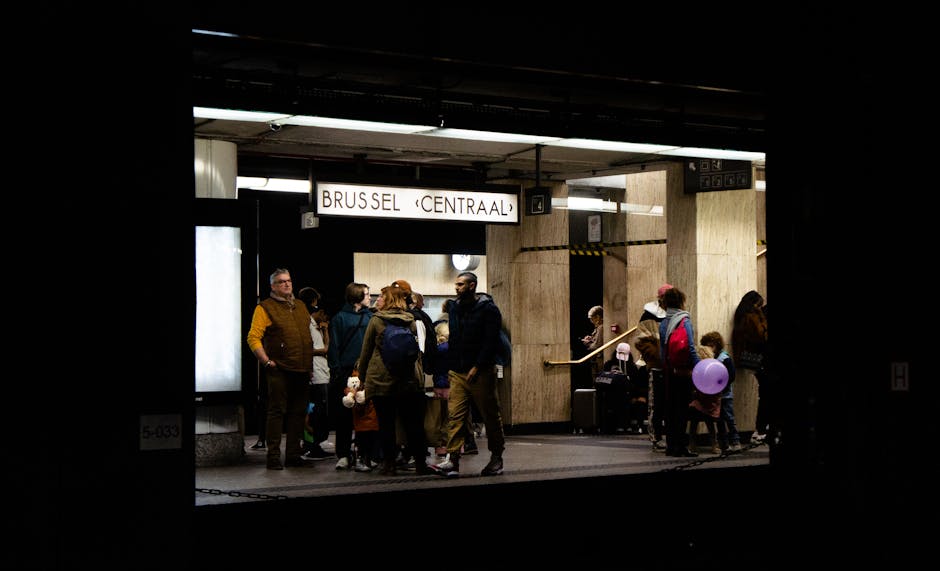
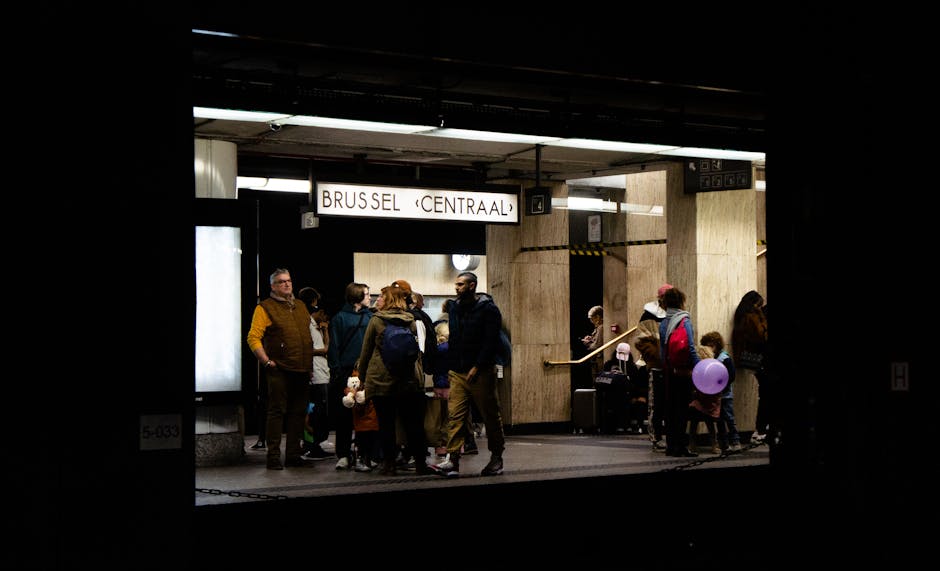
Start early to enjoy a cooler, quieter city. Aim to leave around 8:00 from Brussels-Central station (station Bruxelles-Centrale, Place de la Gare 2, 1000 Brussels). STIB metro hours: typically 05:30–00:30 on weekdays (hours may extend for special events). Indicative STIB fares: single ticket ≈ €2.50, 24h pass ≈ €7.50 (check the STIB / MOBIB app for exact rates and short-term passes).
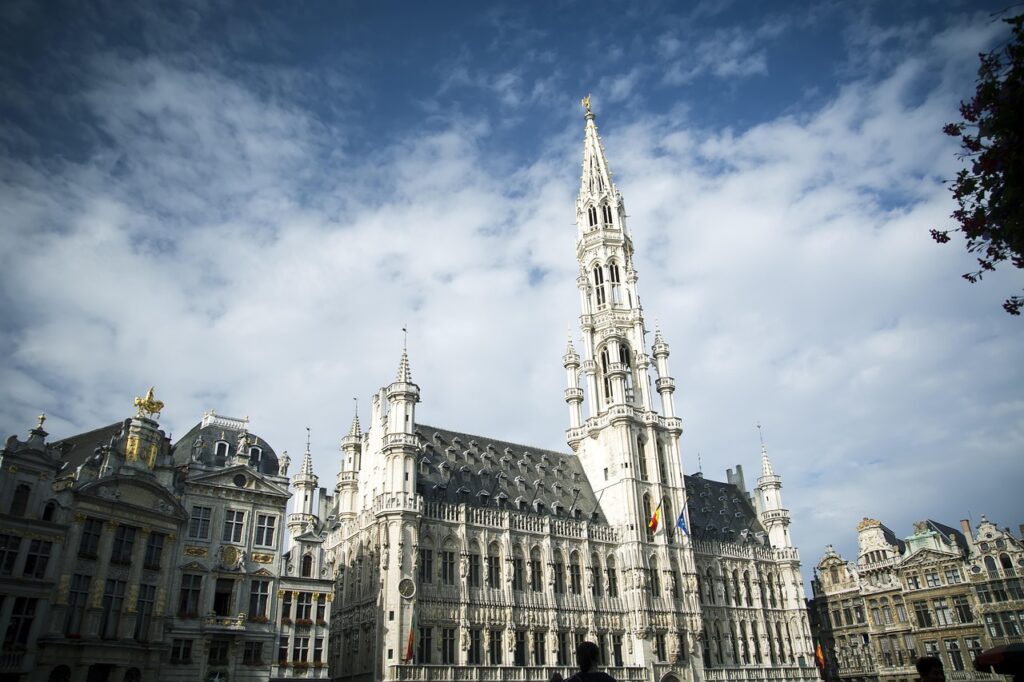
From Brussels-Central you’re a two-minute walk from the Grand Place (Grand Place, 1000 Brussels). Arrive around 08:10 to see the square in the soft morning light: the Maison du Roi (Rue Charles Buls) and the Town Hall (Grand-Place) stand together in a baroque and gothic ensemble that catches the first light beautifully. The cobbles and statues make a perfect backdrop to kick off the day. Chocolate shops open early — consider a stop at Maison Dandoy (Rue Charles Buls 14, 1000 Brussels) for a waffle or speculoos: a simple waffle costs about €4.50.
Then wander to the Galeries Royales Saint-Hubert (Galeries Royales Saint-Hubert, Galerie du Roi 5-7, 1000 Brussels), a covered arcade opened in 1847. Shop hours: usually 10:00–19:00; some bookstores and chocolatiers open from 09:00. The architecture, filtered light and shop windows are worth the visit. Price for a terrace coffee: about €3.00–4.50.
From the Galeries, walk 8–12 minutes to the Grand Sablon square (Place du Grand Sablon, 1000 Brussels), a neighborhood known for antiques and high-end chocolatiers (Pierre Marcolini, Wittamer). Shops are generally open 10:00–18:00 and the square often hosts an antiques market on weekends. Recommended stop: Café du Sablon (Rue de la Régence 5, 1000 Brussels) — an espresso is about €2.80 and pastries cost €4–6.
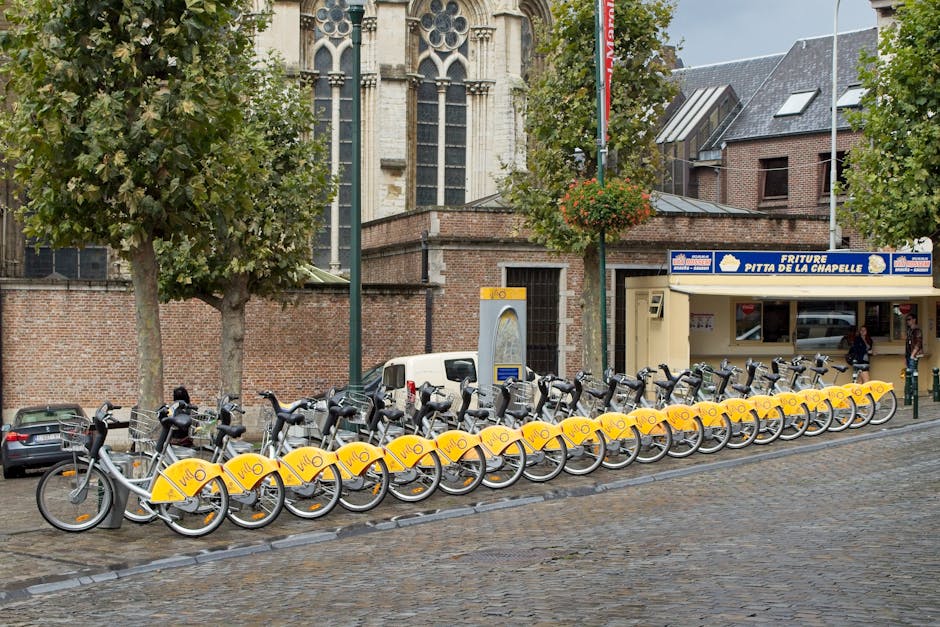
Local tip: stick to walking this morning — the density of sights and pedestrian streets make bikes and scooters less practical during peak foot-traffic times. If you want to use a Villo! (the city’s bike-share), the nearest station to the Sablon is on Boulevard de Waterloo 15 (1000 Brussels). Indicative Villo! pricing: 1-day pass ≈ €2.00, first 30 minutes free, then about €0.50 per additional 30-minute block (check the Villo! app). Use the Villo! app or Google Maps to find the closest station.
Midday: Villo! crossing and lunch in the European Quarter
After a mostly pedestrian morning, hop on a Villo! to reach the European Quarter. If you bought a 1-day Villo! pass (≈ €2.00), the first 30 minutes are usually included — dock the bike at a Villo! station before the free period ends to avoid extra charges. Recommended route: Villo! station Boulevard de Waterloo → head towards Brussels Park (Parc de Bruxelles / Warandepark, Place Royale, 1000 Brussels) then continue to the European Quarter (aim for Parc Léopold / Rue Belliard).
Approximate distance: 2.5–3.0 km; cycling time: 15–25 minutes depending on speed and traffic. The route crosses elegant boulevards, passes Place Royale and gives views of the imposing façade of the Royal Palace (Place des Palais, 1000 Brussels). Watch out for hills — the climb up to Place Royale can be tiring if you’re not used to city inclines.
Once in the European Quarter, check out Place du Luxembourg (Place du Luxembourg/Leuvenseplein, 1050 Ixelles/Schaerbeek depending on access), a popular lunch spot with many terraces. For a typical lunch, try the café at the House of European History (Rue Belliard 135, 1000 Brussels) or one of the brasseries around the square. Average lunch: €12–18 for a main dish; sandwiches and quick combos €6–10.
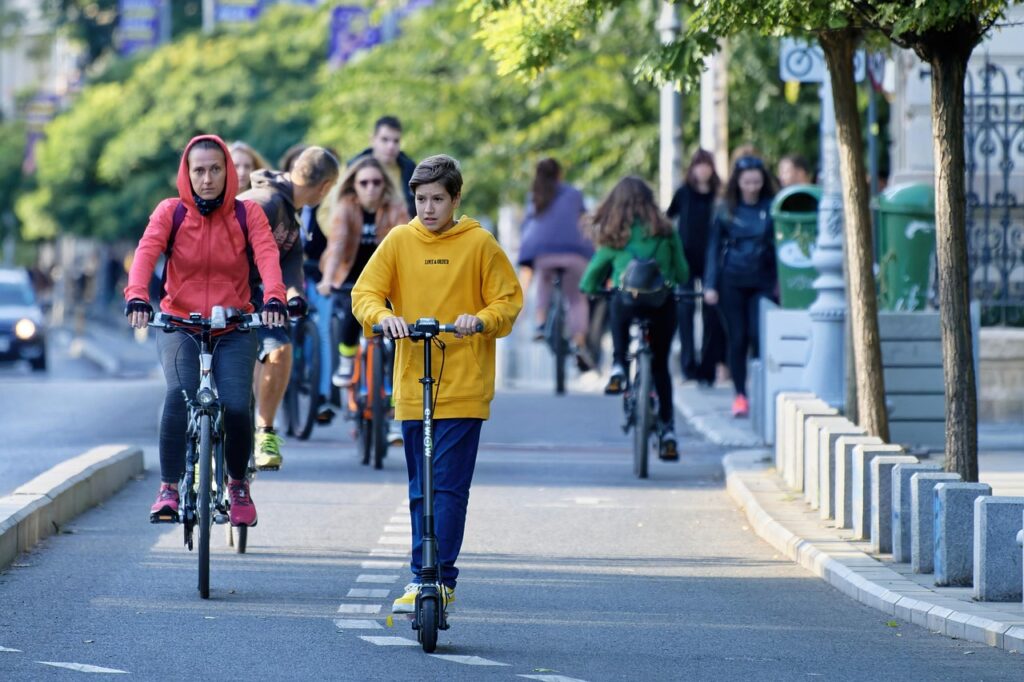
If you prefer a greener lunch break, lock your Villo! and walk to Parc Léopold (Rue d’Arlon, 1000 Brussels), a pleasant little green space to sit and relax. To move on quickly afterward, grab an electric scooter from Dott or Lime — use the Dott or Lime app to locate and unlock one. Indicative scooter fares: Dott — unlock €1.00 + €0.25/min; Lime — unlock €1.00 + €0.23/min. Choose Dott or Lime based on availability and vehicle condition; check battery level before you set off. Many mid-size connections around the European Quarter and nearby attractions are done by scooter to save time without hunting for an available Villo! dock.
Local tip: don’t ride scooters on crowded sidewalks — stick to bike lanes and 30 km/h zones. If you’re in a hurry, metro line 1/5 (Schuman station, Place de l’Étoile 1040 Brussels) links parts of the European Quarter quickly to the main stations; a standard metro ride costs ≈ €2.50.
Afternoon: scooter to Parc du Cinquantenaire and cultural exploring
Early in the afternoon, take an electric scooter (Dott or Lime) to Parc du Cinquantenaire (Parc du Cinquantenaire / Jubelpark, Rue de l’Industrie 27, 1000 Brussels). The park and its triumphal arches are perfect for a relaxed stroll and for visiting nearby museums: Royal Museum of the Armed Forces and Military History (Parc du Cinquantenaire 3, 1000 Brussels), usually open 10:00–17:00; Autoworld (Parc du Cinquantenaire 11, 1000 Brussels) with vintage and classic cars, typically open around 10:00–18:00. Indicative prices: Royal Army Museum ≈ €10–12, Autoworld ≈ €9–12 (reduced rates for students and seniors).
The scooter ride from the European Quarter to the Cinquantenaire takes about 10–15 minutes depending on start point and traffic density. Follow the bike lanes along Avenue de Tervueren for a smoother, more direct route. Once there, park the scooter in an authorized zone and walk under the Cinquantenaire arch, then wander the shaded park paths. It’s also a great spot for a snack: kiosks and food trucks near the park sell coffee, pastries and snacks; average prices around €3–6 for drinks, €5–8 for snacks.
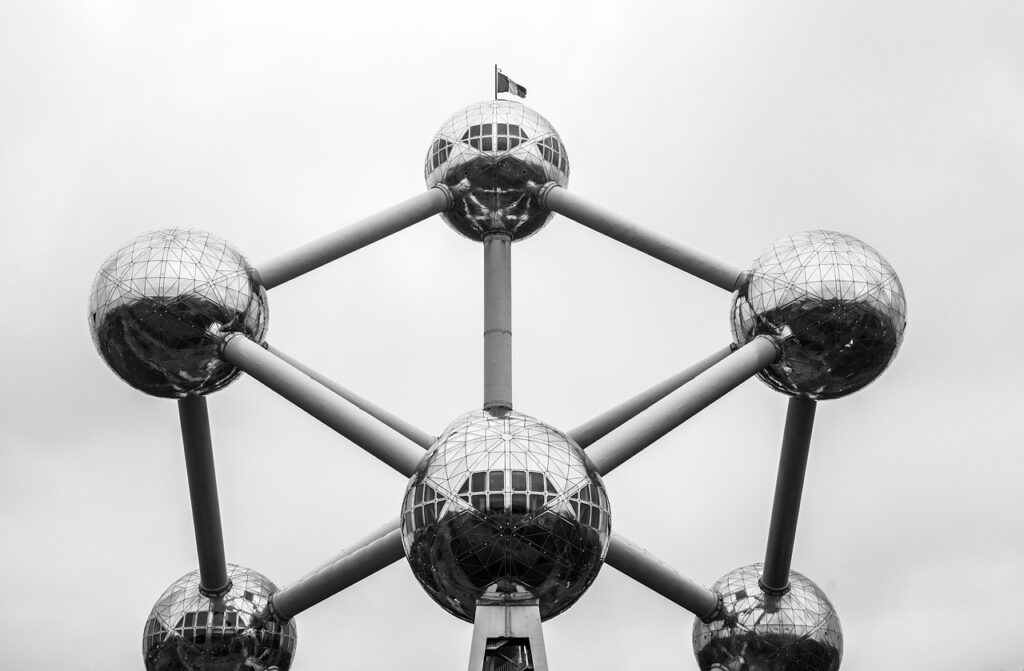
If you want to extend the afternoon with something different, take a tram or metro toward Gare de Bruxelles-Congrès or hop on tram 92/94 which serves the Petite Île and Watermael-Boitsfort area (STIB schedules vary — check the STIB app). Another major option is the Atomium (Square de l’Atomium, 1020 Brussels) — reachable via metro line 6, stop Heysel/Heizel. The Atomium is normally open 10:00–18:00; adult ticket about €16 (check current prices and temporary closures). It’s a longer detour (allow 30–40 minutes from the center) but gives a unique panoramic view over Brussels and beyond.
Local tips: carry some cash and a contactless bank card; for scooters some parking zones are paid or restricted — leave the device where the app indicates. Watch out for rush hours (17:00–19:00) on major roads and pedestrian bridges: the bike/scooter combo works best outside these windows to keep a steady, safe pace.
Evening: metro back, dinner and night vibes near the Bourse
In the evening you’ll likely mix transport modes again: scooter or Villo! to reach restaurant areas, then metro for a quick return to your accommodation or the station. Head to the Bourse (Place de la Bourse, 1000 Brussels) to soak up nightlife and a wide culinary choice. Recommended nearby restaurants: Chez Léon (Rue des Bouchers 18, 1000 Brussels) — famous for mussels and fries, usually open 11:30–23:00; a mussels dish costs about €18–22. For a more casual, contemporary vibe try Noordzee Mer du Nord (Place Sainte-Catherine 50, 1000 Brussels) for seafood to go — dishes €6–15.
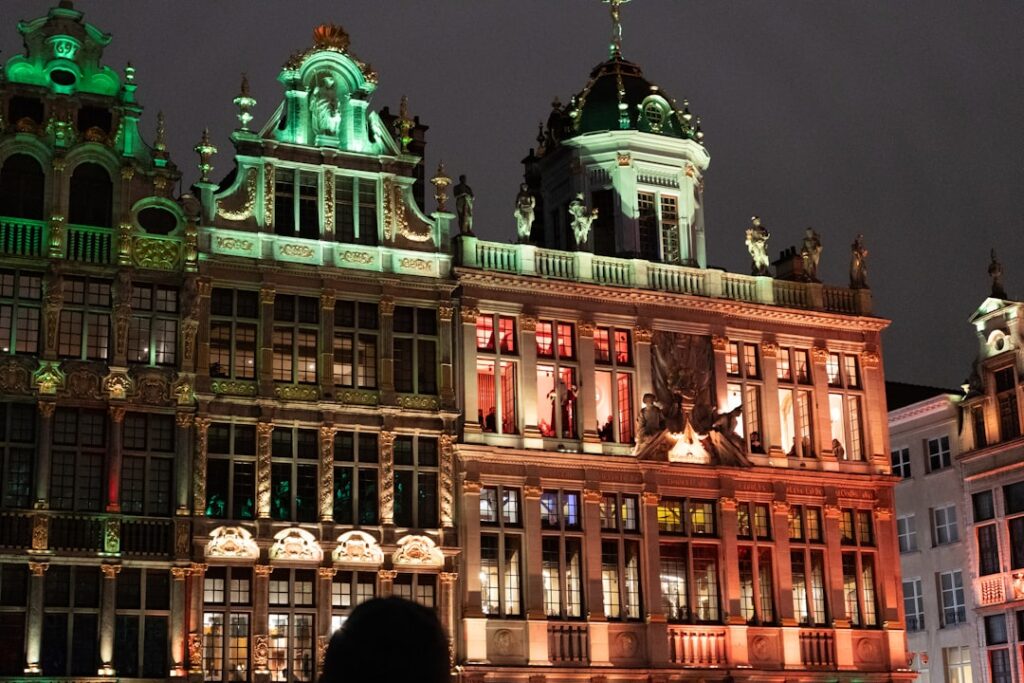
After dinner, wander the small streets around Rue des Bouchers and the Grand Place, admire the illuminated façades and, if you love beer, stop by Delirium Café (Impasse de la Fidélité 4A, 1000 Brussels) — open late and close to the Bourse. Price for a Belgian beer on a terrace: €3.50–6.50 depending on rarity and glass size. For the return, the closest metro is Bourse (Place de la Bourse, 1000 Brussels) served by several lines. Metros typically run until 00:30; outside those hours night buses (Noctis or local night lines) or a taxi are alternatives (intra-city taxi fare ≈ €10–20 depending on distance).
Practical evening tips: if you plan to use a scooter to head to a peripheral area, check remaining battery and available designated parking spots. Many Villo! stations stop distributing bikes after midnight based on demand, but scooters are available 24/7 if they have charge. Don’t ride a scooter after drinking alcohol — Belgian law penalizes driving under the influence, even on shared micro-mobility devices.
Local tips, safety and cost optimization
To make the most of your day in Brussels combining metro, bike and scooter, here are practical, concrete tips:
- Tickets and passes: buy STIB tickets via the official STIB/MOBIB app to avoid queues. A single ticket costs about €2.50; a 24h pass is around €7.50. If you plan many metro/tram trips, the 24h pass often pays off.
- Villo!: the Villo! bike-share requires registration in the app or buying a pass. 1-day pass ≈ €2.00, first 30 minutes free, then incremental fees (≈ €0.50 per 30 minutes). To avoid costs, plan loops under 30 minutes between stations.
- Scooters: Dott and Lime are widely available. Typical pricing: unlock €1.00 + €0.23–0.25/min. For a 10–15 minute ride expect €3.30–4.75.
- Safety: respect bike lanes and pedestrian areas; wear a helmet if you can (strongly recommended though not always mandatory); use locks for Villo! bikes if you leave one off-station for a while (check Villo! rules).
- Useful apps: STIB (schedules & maps), Villo! (station locations & passes), Dott/Lime (scooter locations & unlocking), Google Maps or Citymapper for real-time planning.
- Times to avoid: avoid 08:00–09:30 and 17:00–19:00 on main arteries if possible; prefer walking in the historic center during peak pedestrian hours.
- Indicative daily budget: combining metro (2–3 trips), an occasional Villo! and one or two scooter rides, budget €15–30 for mobility; add meals and museum entries (≈ €30–60 depending on choices).
Conclusion: make the most of Brussels with mixed mobility
Combining the metro, shared bikes and electric scooters in Brussels lets you blend speed, flexibility and the joy of discovery. Starting in the historic heart (Grand-Place), using Villo! stations and scooters for medium-distance links, and relying on the STIB network for longer trips or late returns will help you get the most out of your time while lowering your carbon footprint. The fares shown here are practical anchors for planning: STIB single ticket ≈ €2.50, 24h pass ≈ €7.50, Villo! 1-day pass ≈ €2.00 (first 30 minutes free), Dott/Lime scooters ≈ €1.00 + €0.23–0.25/min. Don’t forget to check official apps for the latest prices and availability.
Beyond practicalities, switching transport modes gives you different experiences: the slow, contemplative pace of walking the Grand-Place at dawn, the feeling of freedom on a Villo! along tree-lined avenues, and the quick urban dash of a scooter between two museums. Neighborhoods like the Sablon, the European Quarter, Parc du Cinquantenaire and Sainte-Catherine offer visual and culinary contrasts that make switching modes worthwhile. Above all, adapt to local conditions — weather, events and demonstrations — and don’t hesitate to ask locals for tips: Brussels residents are often happy to point out a quieter bike lane or a sunny bench.
In short, with a little planning your typical day in Brussels can be affordable, sustainable and packed with discoveries. Stay safe, respect local traffic rules for two-wheel users, and let yourself get lost in the small streets and grand squares that make Brussels a unique European capital. Enjoy your trip and happy exploring!