





Introduction: Living in Brussels — first steps and administrative context
Settling in Brussels for a long stay involves far more than finding an apartment and mastering a few metro lines. As Belgium’s capital and the political hub of the European Union, Brussels has a specific administrative setup — national, regional and municipal — that governs registration, residence, access to healthcare and work. This guide is designed to give you a practical, comprehensive and realistic roadmap of the administrative steps you need for a long stay (over 90 days), with addresses, opening hours, indicative fees and local tips to save time and avoid common mistakes.
Whether you are an EU citizen, a posted worker, a student, a researcher or a non-EU national, the required steps differ: registering with the municipality, obtaining a residence permit or an identity card for EU nationals, joining a health insurance fund (mutualité/mutuality), opening a Belgian bank account, registering with the Office des Étrangers if required, and handling employment-related formalities (INAMI/ONSS) or study-related procedures. In Brussels, these formalities often happen across several levels — municipal counters (town halls / municipal administrations) for official domicile registration, regional services for specific permits and, for some nationalities, mandatory appointments at the Immigration Office.
This guide walks you through how to book an appointment with the municipal office, which documents to prepare (passport, lease agreement, proof of insurance, proof of funds), exact addresses of key services, typical opening hours, indicative fees and practical tips to speed up your steps. The sections below also detail joining the Belgian healthcare system, receiving or renewing an electronic ID (eID) or residence card, opening a bank account, registering with social security, plus local hacks — which offices to prioritize, how to present yourself, and how to plan your administrative to-dos over the first weeks after arrival.
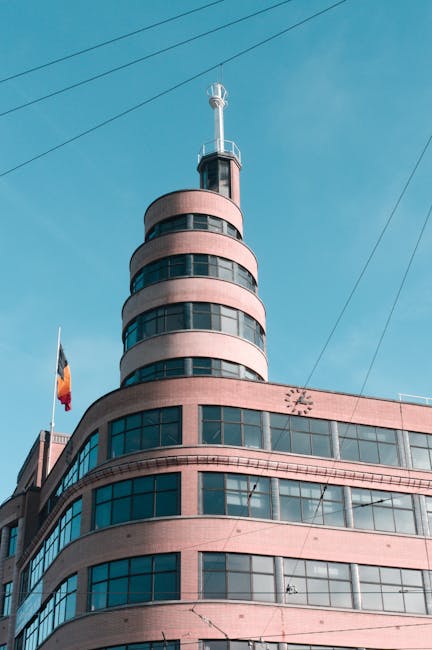
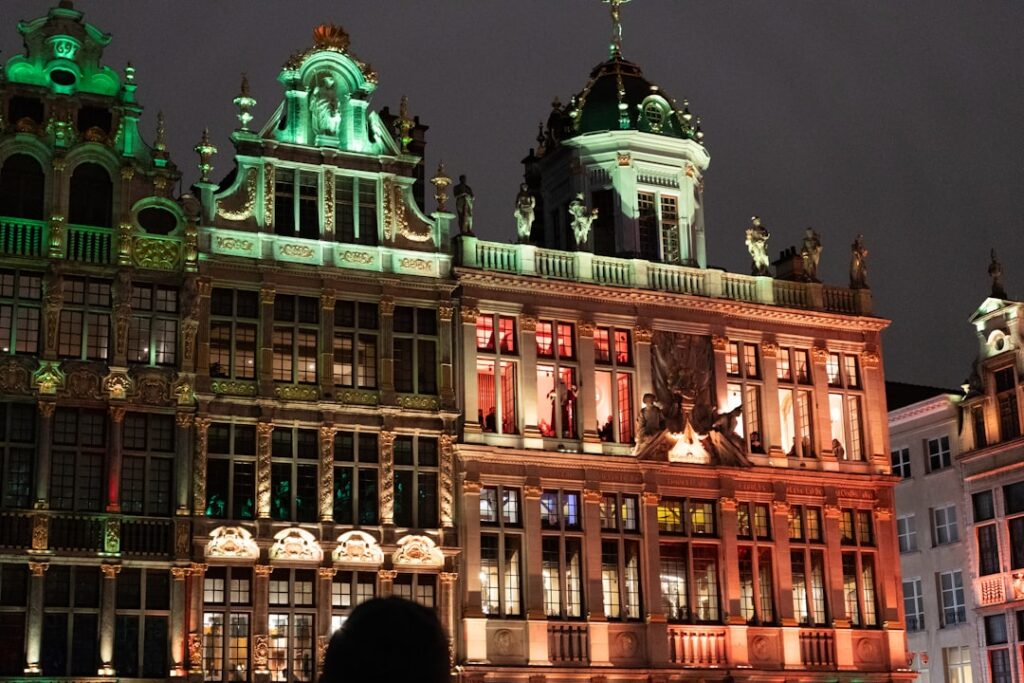
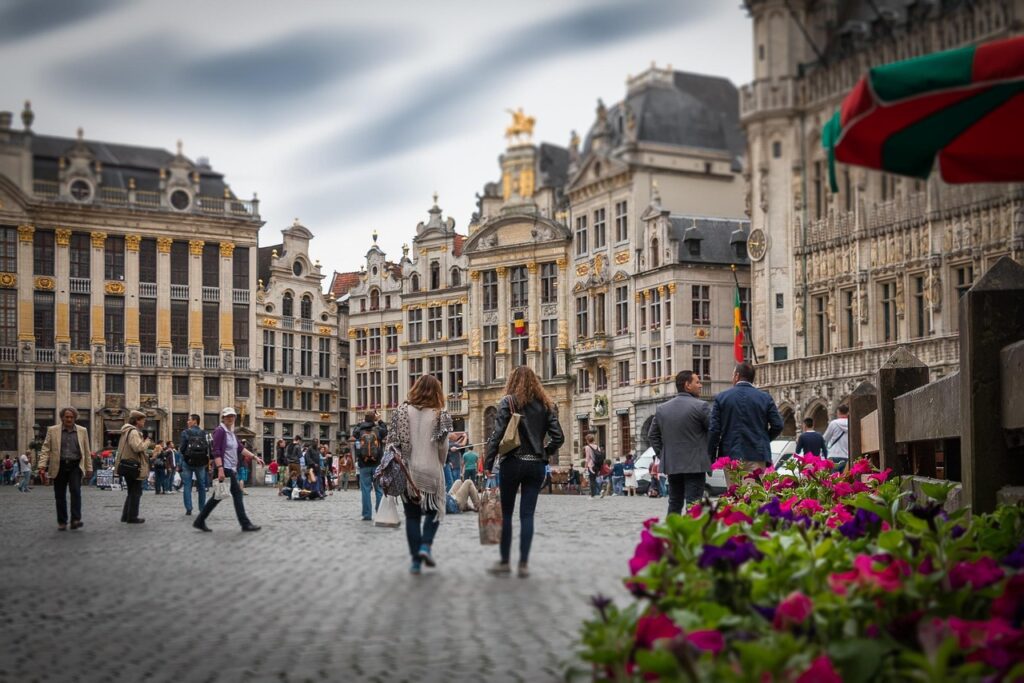
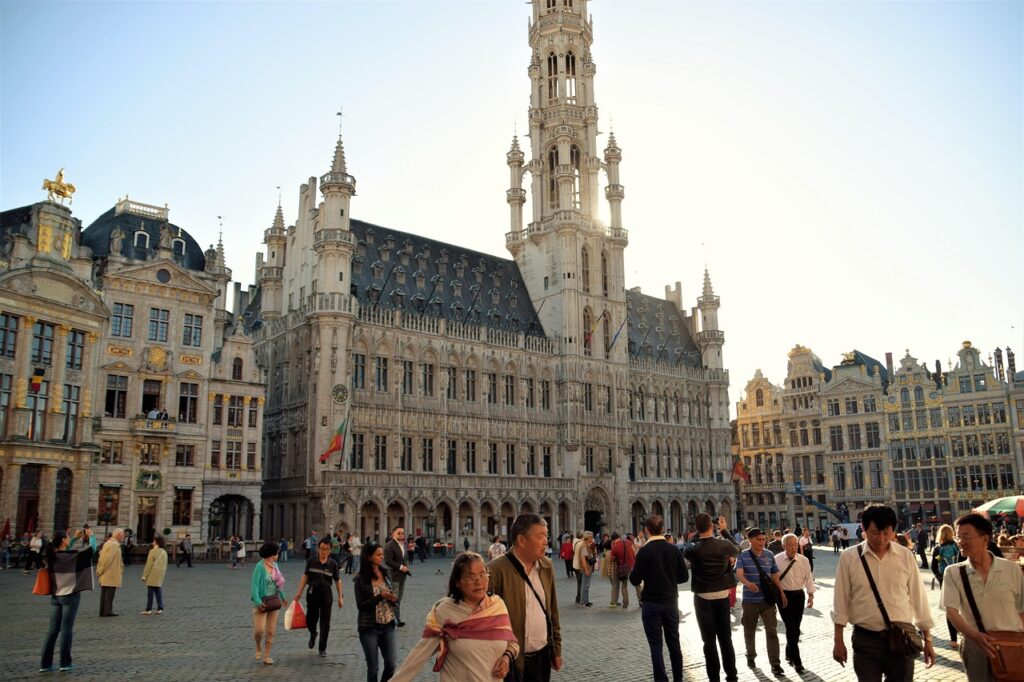
Brussels is made up of 19 municipalities, each responsible for registering its residents and issuing civil status documents. It’s therefore crucial to know the town hall for your address: for example, in the City of Brussels (central area) you’ll use the Town Hall located at Hôtel de Ville, Grand-Place 1, 1000 Brussels; for Ixelles, the Ixelles Town Hall is at Place Eugène Flagey 18, 1050 Ixelles. Hours and procedures can vary slightly between municipalities — some offer fully online appointment booking via the official municipal website, others use a mixed system (appointments plus queues for emergencies). This guide lists common contacts and hours, plus notes on costs: for instance, MOBIB cards and STIB season tickets for transport, fees associated with residence cards for non-EU nationals, and approximate notary fees if you need translations or an apostille.
Finally, don’t forget the practical side: keep multiple copies of your documents, favor original documents plus a scanned version, and prepare solid proof of domicile (signed lease, energy bill in your name or an attestation from the landlord). Brussels is cosmopolitan and municipal staff are used to handling expatriate procedures, but organization and patience will be your best allies. In the sections below, each step is described in detail, with exact addresses, opening hours, fees and concrete tips to make your long stay in Brussels smooth and compliant.
1. Registering with the municipality and getting a registration certificate
The first essential administrative step for any long stay in Brussels is registering with the municipality (town hall / municipal administration) where you live. For European Union citizens, this registration leads to a registration certificate (Attestation d’inscription / Annex) and, for non-EU nationals, it triggers the process for applying for a residence card. In Belgium, registration is done at the municipality responsible for your official address (lease agreement or property deed).
Examples of town halls with addresses and hours:
- City of Brussels Town Hall (Hôtel de Ville) — Grand-Place 1, 1000 Brussels. Hours: Monday–Friday 08:30–12:30 and 13:30–16:30. Closed on weekends. Phone: +32 2 279 23 11. Civil status and population services by appointment via the City of Brussels website.
- Ixelles Town Hall — Place Eugène Flagey 18, 1050 Ixelles. Hours: Monday–Friday 09:00–12:00 and 13:00–16:00. Phone: +32 2 515 36 11. Online appointment booking recommended.
- Anderlecht Town Hall — Place du Conseil 1, 1070 Anderlecht. Hours: Monday–Friday 08:30–12:30 and 13:30–16:30. Phone: +32 2 559 96 11.
Documents usually required (bring originals and photocopies):
- Valid passport or identity card.
- Signed lease agreement or proof of ownership. For leases: clearly stated names, dates, full address and signatures of landlord/tenant.
- Proof of right to housing: energy bill or a landlord’s attestation if the bill is not yet in your name.
- Recent passport photos (passport format) — some municipalities take the photo on site for the eID or residence card.
- Proof of resources (employment contract, scholarship certificate for students, bank statements) if requested — especially for non-EU nationals.
Procedure and timelines: once registered, the municipality assigns you a national registry number (for permanent residents) or a temporary identification number. EU citizens often receive a registration certificate immediately; the identity card for EU nationals (EU eID) can be issued within a few days to a few weeks depending on the municipality. For non-EU nationals, the municipality records your presence and forwards the file to the Immigration Office for the issuance of a residence card (residence permit), which can take several weeks to several months depending on the category (work, family reunification, studies).
Fees: basic registration is generally free or charged nominally (between €0 and €20 depending on services like photos or copies), while issuing a residence card may incur administrative fees — as an indication, fees for temporary residence cards for non-EU nationals can range around €80 to €180 (varies by procedure and card type). It’s strongly recommended to check the municipality’s website for exact and up-to-date fees.
Local tips:
- Book an appointment online: many town halls provide an online platform (e.g. the City of Brussels site); this saves hours of waiting.
- Bring extra supporting documents: if your lease is very recent, bring an email from your landlord or a payment receipt to prove you moved in.
- Language: staff usually speak French and Dutch; in international areas (e.g. Ixelles) you’ll often find English-speaking officers.
2. Residence permits, ID cards and procedures by status
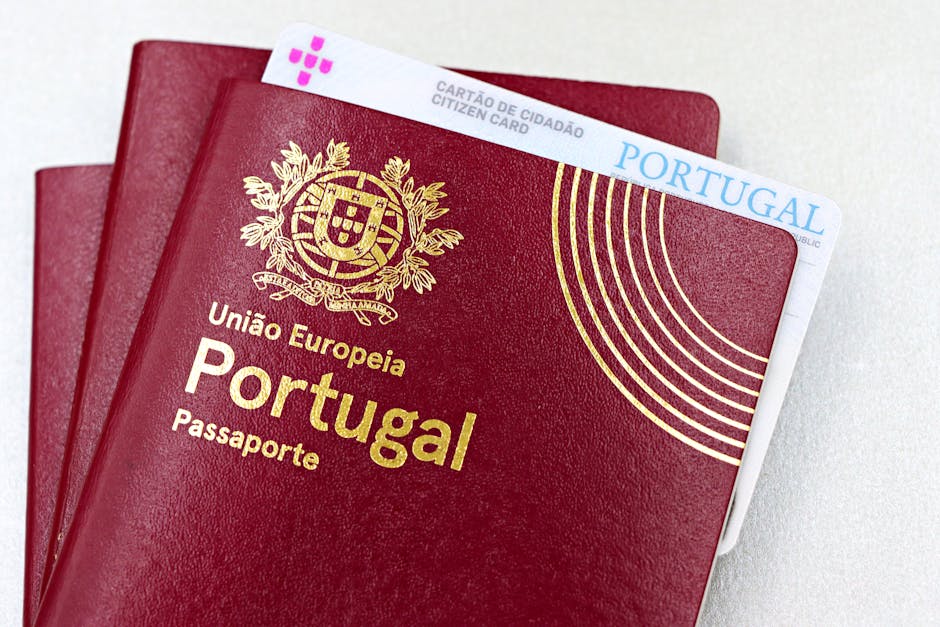
Depending on your nationality and purpose of stay, the process to obtain the correct residence document varies. The main categories are: European Union citizens, EEA/Swiss nationals and third-country nationals (non-EU). Here’s how it typically works in Brussels.
For European Union citizens:
- You must register with the municipality within three months of arrival if your stay exceeds three months. The municipality issues a registration certificate (document S1/S2 where relevant) and, on request, an identity card for EU nationals (EU eID). This card is usually free or subject to a small fee (€10–€20) depending on the municipality.
- Required documents: national ID card or passport, lease agreement, proof of resources or employment contract, passport photos.
For non-EU nationals:
- After registering at the municipality, the file is forwarded to the Immigration Office if a national permit (type D) is required. The competent Immigration Office is located at: Immigration Office (Federal Public Service Interior) — Boulevard du Roi Albert II 7, 1000 Brussels. Hours: usually by appointment only, Monday–Friday 09:00–15:00. Central phone: +32 2 201 49 00. (Check the official page for appointment slots.)
- The Belgian residence card can cost between €80 and €200 depending on category and duration; fees change periodically. Processing time varies: from a few weeks to several months.
Documents often required for a non-EU residence card:
- Valid passport + copies.
- Lease agreement or proof of accommodation.
- Employment contract, university enrollment certificate, or proof of sufficient financial means.
- Health insurance proof covering Belgium.
- Recent photos and travel documents (long-stay visa if applicable).
Special cases:
- Family reunification: proof of family ties (birth certificates, marriage) and sponsor’s financial resources. Certified translations and an apostille are often required.
- Students: enrollment at a Belgian institution, proof of tuition payment, and housing attestation. Students may also need to take out health insurance and prove a minimum monthly income (varies by institution).
Practical tips:
- Keep both digital and physical copies of every document: most appointments require at least one paper copy; having PDFs reduces stress.
- Anticipate processing times: some procedures take a long time. Start your file as soon as you have a work or study contract.
- Have your documents checked: some municipal offices or expat support services (NGOs, local associations) offer pre-submission checks.
3. Health, mutuality and access to care: how to register
The Belgian healthcare system is based on the “mutuality” (mutuelle / mutuality): a mandatory health insurance fund that complements social security. As soon as you arrive and after registering at the municipality, it is essential to join a mutuality to access reimbursements for medical care. Without active affiliation, you’ll pay the full cost of care up front and face potentially limited reimbursement later.
Main mutualities with useful addresses and contacts:
- Solidaris (Socialist Mutuality) — Regional office Brussels: Avenue Henri Régnier 12, 1060 Saint-Gilles. Hours: Monday–Friday 09:00–17:00. Phone: +32 2 533 41 11. Contributions: vary by coverage; expect roughly €20–€50 per month for a basic adult membership (rates depend on age, student status or dependent coverage).
- Partena — Rue du Pont Neuf 3, 1000 Brussels. Hours: Monday–Friday 08:30–17:00. Phone: +32 2 255 84 11.
- CM (Christian Mutuality) — Rue Ravenstein 23, 1000 Brussels. Hours: Monday–Friday 09:00–12:30 and 13:30–16:30. Phone: +32 2 516 13 11.
Registration procedure:
- Choose a mutuality: they all handle core reimbursement for medical care, but differ on complementary services (rehab, hospitalization packages, dental care). Compare online or book an appointment.
- Provide: national registry number (issued by the municipality), copy of passport/ID, proof of municipal registration and a completed membership form. Some mutualities also request a bank account (RIB) for direct debits.
- SIS card (third-party payer card): once affiliated, you receive a mutuality card allowing you to pay less at consultations. Delivery depending on the mutuality: typically 1–3 weeks.
Costs and reimbursements:
- General practitioner consultation: average fee €25–€50; partial reimbursement by the mutuality (e.g. 70%–85% depending on the situation and co-pay rules).
- Hospitalization: costs vary; the mutuality covers part of the bill, but it’s recommended to take out complementary hospitalization insurance (monthly premiums between €5 and €50 depending on coverage).
Local tips:
- If you’re a student, look into student mutualities that offer reduced rates and tailored services.
- Keep receipts and invoices: for reimbursements you’ll often need to submit them either physically or via the mutuality’s online portal.
- For medical emergencies dial 112. Major Brussels hospitals include CHU Saint-Pierre — Boulevard de l’Hôpital 101, 1000 Brussels (Emergency 24/7) and Cliniques universitaires Saint‑Luc — Avenue Hippocrate 10, 1200 Woluwe-Saint-Lambert (Emergency 24/7).
4. Banking, social security, employment and taxes — practical steps
Opening a Belgian bank account, being registered with social security (ONSS/INAMI) by your employer and understanding your tax obligations are essential steps for a long stay. They determine how easily you can work, receive your salary and pay taxes.
Popular banks in Brussels (addresses, hours and services)
- BNP Paribas Fortis — Central Station Branch — Boulevard du Nord 8, 1000 Brussels. Hours: Monday–Friday 09:00–17:00. Account opening in English available; required documents: passport, proof of address (lease or municipal attestation), national registry number if already assigned.
- KBC Brussels — Rue du Marché aux Herbes 112, 1000 Brussels. Hours: Monday–Friday 09:00–17:00.
- ING Belgium — City Centre — Rue Neuve 62, 1000 Brussels. Hours: Monday–Friday 08:30–17:00.
Procedure and documents: for a current account, expect to show your passport, proof of address and sometimes a work contract or employer letter. Account opening can be immediate but activation of online services often takes 24–72 hours. Banks may request an initial deposit (variable, often €0–€50) and charge monthly account fees depending on the package (from €0 to €10/month for standard accounts, premium packages from about €5–€15).
Social security and employment:
- When you start a job, your employer registers you with the ONSS (National Social Security Office). You receive an employment contract and social contributions are deducted at source.
- INAMI number (professional health number) applies to healthcare professionals; for regular employees, the social identification is usually your national registry number.
Taxation:
- Tax residence: if you live more than 183 days per year in Belgium you are generally considered a tax resident and must declare your income in Belgium. The federal tax administration (Federale Overheidsdienst Financiën / SPF Finances) headquarters is: Federal Public Service Finances — Rue de la Loi 36, 1000 Brussels. Phone: +32 2 572 57 57. Tax return deadlines follow the calendar year, with forms to be completed between March and June depending on the administration’s timetable.
- Tip: get a local tax advisor or consult the chamber of commerce if you’re starting freelance activities (BCE/UBO) to avoid pitfalls.
Practical tips:
- Request a certificate of fiscal residence from the municipality if needed to avoid double taxation.
- Keep all contracts and pay slips: Belgian pay slips detail ONSS and tax withholdings.
- Use online services: MyMinfin (tax portal) and Belgian banking apps make remote administrative management much easier.
5. Housing, certificates and extra steps for daily life
After registration and setting up essential services, you’ll handle the complementary tasks that make everyday life easier: energy contracts, internet subscription, home insurance, school enrollment for children, driving license and transport card.
Energy and internet:
- Main energy providers: Electrabel (Engie) Brussels — Avenue du Boulevard 31, 1210 Saint-Josse-ten-Noode. Electricity/gas contracts: rates vary by consumption and provider; meter installation is often free, but some connection services can cost between €30 and €100.
- Internet and TV: Proximus, VOO and Telenet are the main providers. Example: Proximus Shop — Rue Neuve 100, 1000 Brussels. Internet and TV packages from about €30–€40/month depending on speed and channel bundle.
Home insurance:
- Practically mandatory for owners and strongly recommended for tenants. Costs: usually €5–€25/month depending on coverage (theft, fire, water damage).
Education and childcare:
- School enrollment for children: contact the town hall to learn about municipal and subsidized schools. Examples of international options: European School of Brussels (multiple sites by cycle) or private international schools like Brussels International School (contact directly for admission and fees: often several thousand euros per year).
- Childcare: places are limited; expect waiting lists. Fees: around €6–€12/day for subsidized crèches, private childcare is more expensive.
Transport:
- STIB/MIVB (Brussels-Capital Region) — tickets and season passes: single ticket ≈ €2.50 (onboard cash purchase not always available), day tourist ticket ≈ €7.50, 10-journey card ≈ €16, monthly STIB pass from €49.50 (rates change). Customer service: STIB — Boulevard du Roi Albert II 29B, 1000 Brussels. Ticket office hours: usually 08:30–17:00 on weekdays.
- Consider a rechargeable MOBIB card for using public transport (metro, tram, bus) and combining with SNCB trains for regional travel.
Driving license:
- If you hold a non-Belgian license, check if it can be exchanged: some EU licenses remain valid without exchange; for non-EU licenses, exchange depends on bilateral agreements. The town hall can advise on the procedure and required documents.
Practical tips:
- Start school registrations as early as possible: places in certain municipalities (Ixelles, Uccle) are in high demand.
- For phone and internet subscriptions, compare offers online (QuickSwitch and Belgian comparison sites) before signing: promotional deals can make a big difference over a year.
- Use local markets and second-hand shops to furnish your flat (Emmaüs, IKEA Brussels, thrift stores). Popular flea market: Midi Market — Place du Midi, 1000 Brussels, Sunday mornings.
Conclusion: Plan, anticipate and enjoy Brussels with confidence
Living in Brussels for a long stay requires methodical organization: registering at the municipality, obtaining the correct residence document, joining a mutuality, opening a bank account, registering with social and tax institutions, and completing practical tasks for housing and daily life. The administrative complexity may feel daunting at first, but the Belgian capital offers a well-structured service network, multilingual counters and many online resources to support new residents.
Key practical tip: create a checklist on arrival, with a clear schedule for appointments (town hall, bank, mutuality, Immigration Office if needed) and digital copies of all your documents. Prioritize municipality registration and mutuality affiliation: these two steps unlock most other services (healthcare, work, school). Then plan your banking and fiscal tasks to receive your salary and comply with local obligations. Finally, address the practical comforts that make daily life easier: insurance, internet/TV subscriptions, transport cards and school registrations if you’re moving with family.
Brussels is a city of opportunity: multicultural, lively and rich in public services. Once the initial formalities are out of the way, you’ll be free to enjoy Brussels’ local markets, parks (like Brussels Park, Boulevard du Régent), multilingual cafés, museums (Royal Museums of Fine Arts of Belgium — Rue de la Régence 3, 1000 Brussels) and the proximity of European institutions. Keep in mind that practical details (hours, fees, addresses) can change; always check official municipal and administrative websites for updates before you go.
If you like, I can now prepare for you:
- A printable, personalized checklist based on your Brussels municipality of arrival (e.g. City of Brussels, Ixelles, Anderlecht, Saint-Gilles).
- A document pack template listing the paperwork to present to the town hall and mutuality.
- A two-week optimized administrative itinerary (priority appointments, best times to go, direct contacts).
Feel free to tell me which municipality you’ll be living in or your residency status (EU citizen, student, non-EU worker) so I can tailor the list of steps and contact addresses exactly. I can also provide sample letters, appointment emails, and translated versions of your administrative documents if needed.