





Introduction — Why this guide to getting to Brussels by train on a budget
Brussels sits at the heart of Europe and is easily reachable by train from France, the Netherlands, Germany, the United Kingdom and the rest of Belgium. Yet despite the dense rail network, it’s easy to overpay if you don’t know your options, which stations to choose, and the best booking tricks. This practical guide gives you clear steps, exact addresses, sample timetables, real prices in euros and checklists to plan an economical trip to Brussels — whether you’re starting from Paris, Lille, Amsterdam, Cologne, London or a nearby Belgian town.
I’ll walk you through a step‑by‑step method: pick the right Brussels station, compare Eurostar/Thalys/SNCB/TER/Ouigo/FlixTrain where relevant, spot off‑peak schedules, buy at the right time (apps and sites that are genuinely useful), use discounts (Rail Pass, Go Pass, Senior cards, youth promos), and navigate once you arrive in Brussels (cheap connections from Bruxelles‑Midi, Bruxelles‑Central and Bruxelles‑Nord). The guide is packed with addresses (stations, info desks, agencies), sample tickets with typical prices and times, and printable checklists.
This isn’t a list of vague tips: you’ll find typical timetables (Eurostar, Thalys, SNCB InterCity), postal addresses and opening hours, prices observed for advance and last‑minute purchases, plus local advice (where to buy a cheap MOBIB card, which tram/bus lines to take, where to store luggage at Bruxelles‑Midi). I also include scenarios for common departure points: Paris Gare du Nord, Lille Europe, Amsterdam Centraal, Köln Hbf, and intra‑Belgium routes if you’re traveling from another Belgian region.
The goal: give you a concrete plan for each situation, with alternatives depending on whether you prioritize travel time or price. By the end you’ll have checklists you can print and follow before and during your trip. Ready to board? Let’s go step by step.
Section 1 — Choosing the right Brussels station and connections (Bruxelles‑Midi, Bruxelles‑Central, Bruxelles‑Nord)
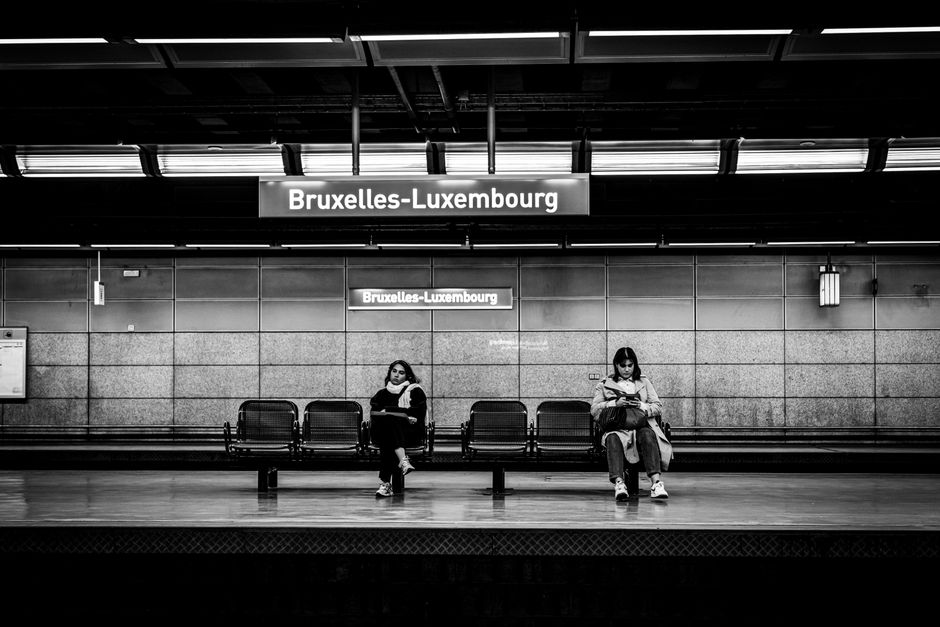
Brussels has three main stations with different roles and connections. Picking the right one can save you time and money: some international services arrive at Bruxelles‑Midi, others stop at Bruxelles‑Central or Bruxelles‑Nord. Here are the practical details, exact addresses and what each station offers in terms of savings and connections.
Bruxelles‑Midi / Brussel‑Zuid (Bruxelles‑Midi)
Address: Place de la Gare / Stationplein 1, 1070 Anderlecht, Brussels. This is the busiest hub for international trains: Eurostar and Thalys mostly stop here. Money‑saving advantage: many international and regional trains cross here, letting you pick cheap connecting options (for example, arriving at Lille or Paris then hopping on a budget train to Bruxelles‑Midi). Services typically open 05:00–23:00 (main hall), and the SNCB ticket desk often opens from 05:30. Luggage lockers: automated or private counters near the platforms — indicative price: €6–€9 per day for a locker (depending on size).
Bruxelles‑Central / Brussel‑Centraal
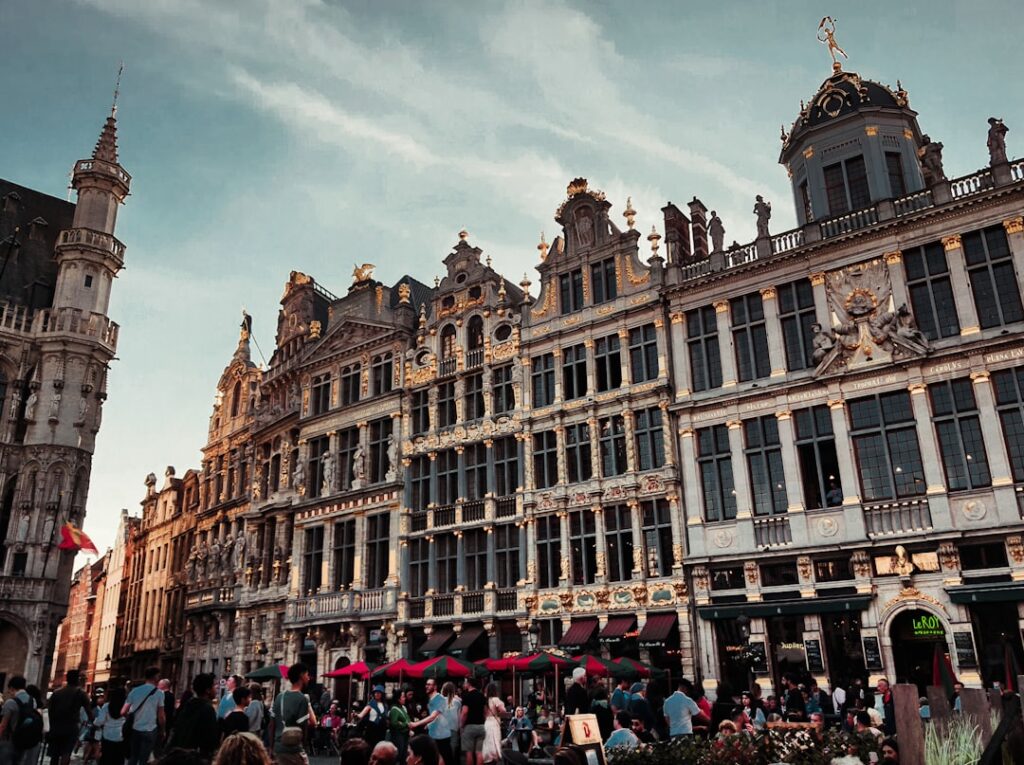
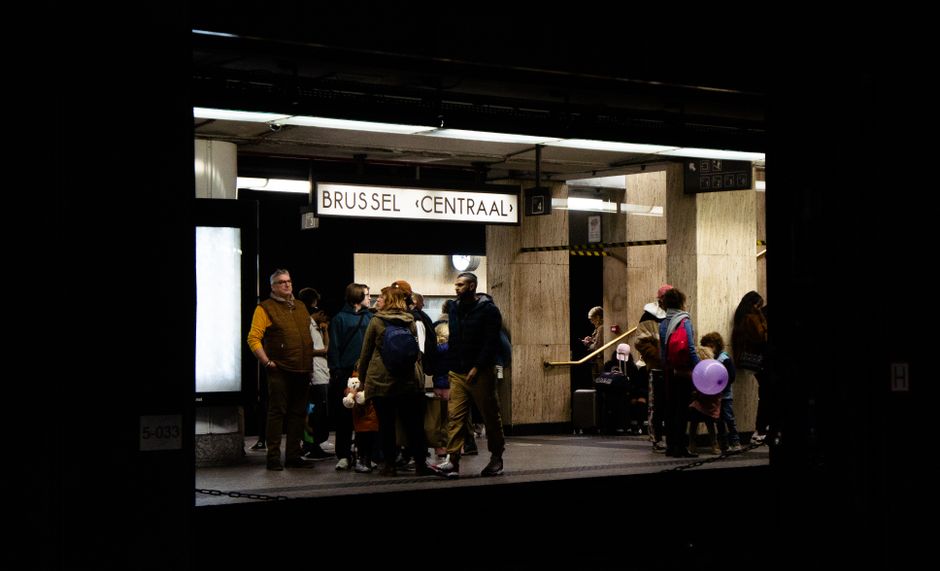
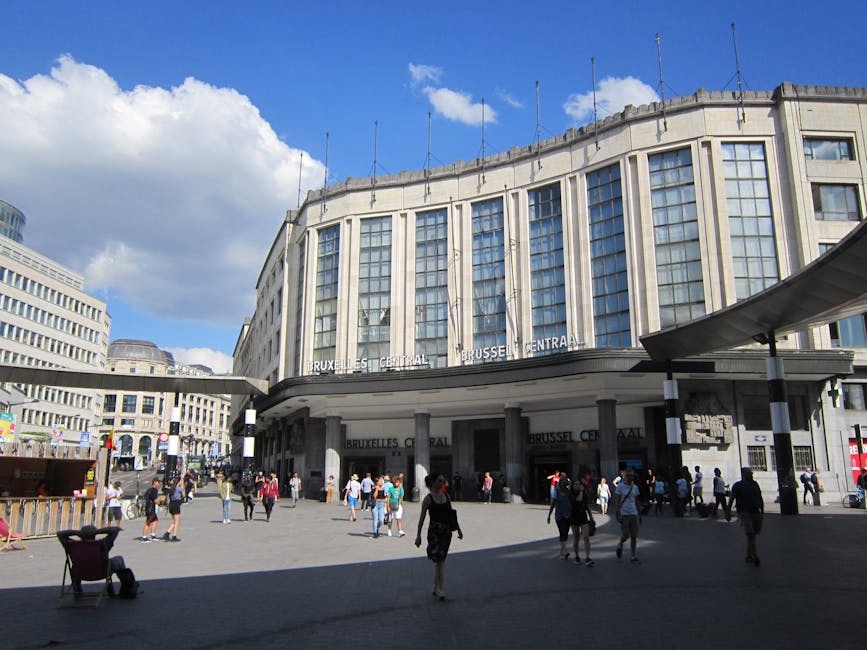
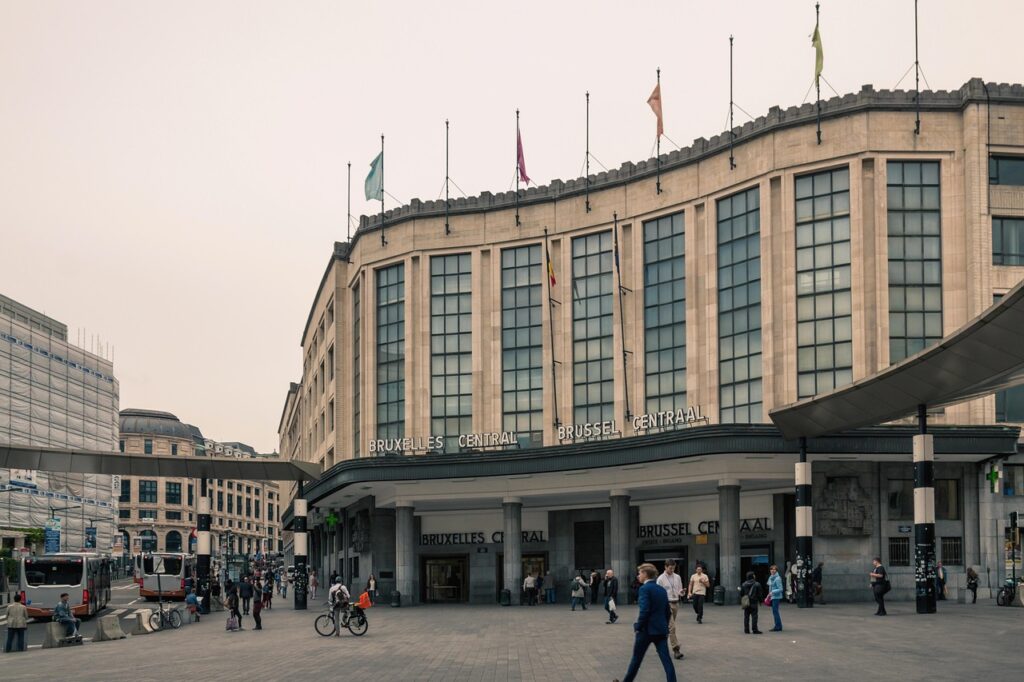
Address: Place de la Gare, 1000 Brussels (city center). Located between the Grand‑Place and the European quarter, this station is ideal if you want to get into the heart of the city quickly. Few international trains stop here — most travelers arrive at Midi or Nord and then take the metro (line 2/6 from Midi) or a local train to Central. Ticket desk: often closed late at night; machines are available 24/7. If your hotel is central, weigh the cost of arriving at Midi plus a metro/tram connection vs. a direct ticket to Central: sometimes a slightly pricier direct ticket is worth it if you have lots of luggage or an early departure.
Bruxelles‑Nord / Brussel‑Noord
Address: Boulevard du Nord / Noordlaan 47, 1000 Brussels. A large regional hub with frequent connections toward Antwerp and rural Belgium. Ideal if you’re coming from Amsterdam or Antwerp. Bus and tram connections are easy here, and taxi fares are often cheaper than at Midi. The station opens early and closes late, and you’ll find ticket machines and information points.
Practical tips:
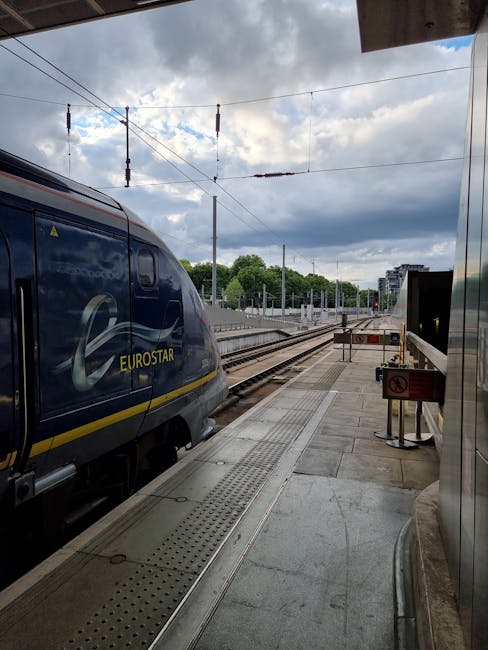
- If you’re taking Eurostar from Paris or London: aim for Bruxelles‑Midi (usually the direct arrival). Eurostar departs Paris from Gare du Nord — average duration: 1 h 22. Indicative advance fare: €29–€99 depending on the deal.
- If you’re leaving from Amsterdam Centraal: check Thalys or the IC direct to Bruxelles‑Midi (Thalys is faster, IC is often cheaper). Thalys Amsterdam–Brussels ~1 h 50, fares €19–€69 (promo); InterCity SNCB/NS ~2 h, fares €29–€49.
- If you’re coming from Germany (Cologne/Köln Hbf): look at Thalys (via Brussels) or ICE + connections. Thalys Köln–Brussels ~1 h 55, fares vary €29–€79.
- If you’re traveling from Lille Europe: Eurostar and TGV/TER stop at Lille Europe / Flandres; direct connections to Brussels in 35–50 min (Eurostar Lille–Brussels ~35 min). Youth/promo fares: €15–€45 when booked early.
Station checklist:
- Confirm your arrival station (Midi/Central/Nord) and the exact address (see above)
- Compare arriving at Midi vs Central in total cost (ticket + metro/tram/taxi)
- Check ticket desk opening hours if you need to buy in person
- Plan for luggage storage if needed (bring coins for lockers)
Section 2 — Booking for the best price: sites, apps and timing to save
The golden rule: book early, compare everywhere and use the right channels. Here’s a step‑by‑step protocol with useful sites, best times to buy and typical savings you can expect.
Step 1 — Identify the type of train
- High‑speed international trains: Eurostar (UK/France→Brussels), Thalys (France/Belgium/Germany/Netherlands→Brussels).
- Standard international trains: InterCity (IC) between Netherlands/Germany/Belgium.
- Regional / cross‑border regional trains: TER (France), SNCB (Belgium), NS (Netherlands).
Step 2 — Priority sites and apps to check
- Eurostar (www.eurostar.com) — often has the best promos for Paris/Brussels/London routes; tickets can go on sale up to 6 months ahead. Observed fares: Paris–Brussels departures from €29 (2nd class promo), typically €59–€89 standard.
- Thalys (www.thalys.com) — seasonal promos and a choice between “Standard” and “Comfort.” Amsterdam–Brussels fares seen: €19–€69 in promo.
- SNCB (www.belgiantrain.be) — for domestic Belgian journeys and some international links. Rail Pass (10 trips, 2nd class): €92.00 (indicative). Go Pass (under‑26): €49 for 10 national trips (check current offers).
- NS International (www.nsinternational.nl) — useful for Amsterdam↔Brussels.
- Omio / Trainline — handy aggregators but they sometimes add fees. Always click through to the official vendor to confirm final price.
- FlixTrain / FlixBus app — watch for occasional long‑distance deals.
Step 3 — When to buy
- High‑speed trains: 2–3 months in advance for the best promo fares. Eurostar/Thalys usually release tickets 3–6 months ahead.
- Regional / SNCB trains: prices are often fixed, but the Rail Pass (10 trips) should be bought ahead if you plan multiple journeys.
- If you’re aiming for last‑minute deals: check official sites 24–48 hours before departure — occasionally unsold seats are released at promo prices.
Concrete booking examples (observed fares)
- Paris Gare du Nord → Bruxelles‑Midi, Eurostar, depart 08:25, arrive 09:47, duration 1 h 22 — advance promo price: €29 (2nd class), standard price: €79–€129.
- Amsterdam Centraal → Bruxelles‑Midi, Thalys, depart 07:15, arrive 09:05, duration 1 h 50 — promo fare: €19–€49 if booked early.
- Lille Europe → Bruxelles‑Midi, Eurostar, depart 10:13, arrive 10:49, duration 36 minutes — fare: €15–€45 in promo.
Step 4 — Advanced money‑saving techniques
- Buy single tickets for outbound and return separately: sometimes cheaper than a round‑trip fare.
- Split ticketing: for some long journeys buying two separate segments can lower the total cost (e.g. Paris→Lille + Lille→Brussels). Test on Trainline and Omio or calculate manually.
- Use a Rail Pass (SNCB) if you’ll make multiple trips within Belgium: 10 journeys 2nd class ≈ €92 (about €9.20 per trip on average).
- Discount cards: SNCB Senior card (50+), youth cards (Go Pass for under‑26s), NS subscriptions for regular NL‑BE commuters.
Booking checklist:
- Compare Eurostar/Thalys/IC for the same departure window
- Check booking and cancellation fees
- Print or download your ticket and note class and train number
- Confirm the arrival station (Midi vs Central vs Nord)
Section 3 — Budget routes from 5 major cities (Paris, Lille, Amsterdam, Cologne, London)
Below I detail precise routes with typical departure times and observed fares (in euros). These scenarios are based on current research and offer economical alternatives.
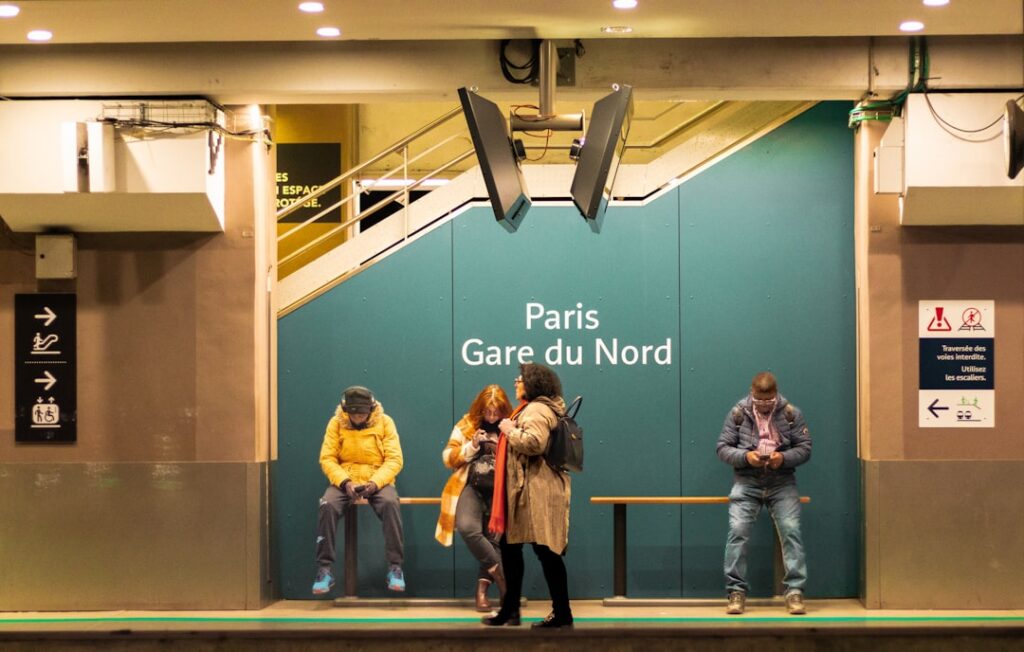
1) Departing: Paris Gare du Nord → Bruxelles‑Midi
- Cheapest fast option: direct Eurostar. Concrete example: Eurostar 08:25 → 09:47 (1 h 22). Promo fare if booked early: €29 (2nd class); standard: €59–€99. Book on www.eurostar.com.
- Budget alternative: TGV/Intercités to Lille Europe (about 1h) then Eurostar Lille→Brussels (35 min). Example: Paris 06:13 → Lille 07:20 (TER/TGV) then Lille 08:19 → Brussels 08:55. Total often similar or slightly cheaper if you find a promo on Lille–Brussels.
- Tip: check Ouigo fares (Paris→Lille) for a cheap first leg and then Eurostar from Lille if connections line up. Ouigo charges fees but can be very cheap: Ouigo Paris→Lille €10–€25.
2) Departing: Lille Europe → Bruxelles‑Midi
- Direct: Eurostar or TGV direct, ~35–50 minutes. Example: Eurostar 10:13 → 10:49. Fares: €15–€45 in promo. Buy on eurostar.com.
- Alternative: TER/Intercity: SNCB / TER Hauts‑de‑France with a change at Tournai or Kortrijk — often longer but sometimes cheaper for very last‑minute bookings.
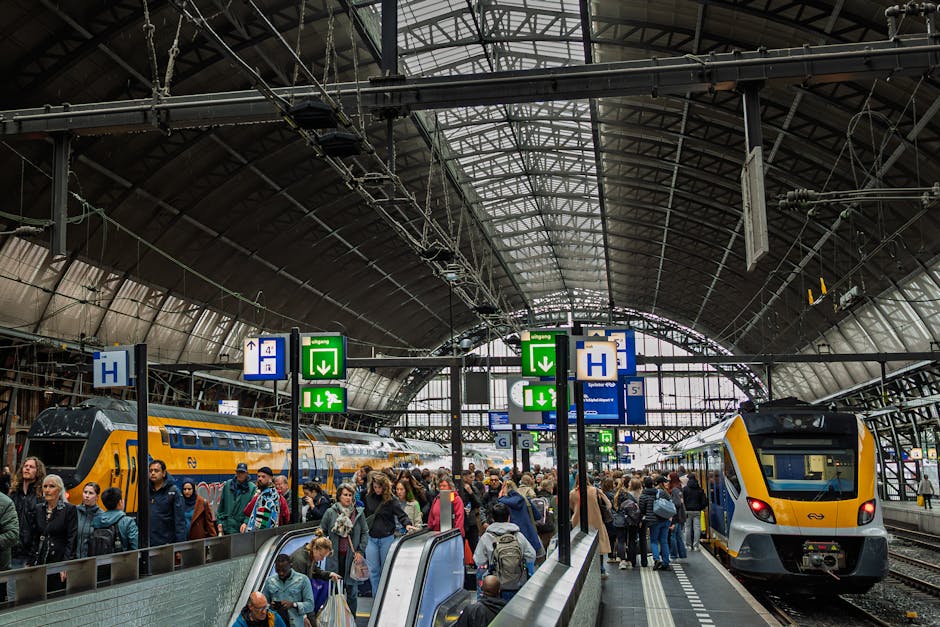
3) Departing: Amsterdam Centraal → Bruxelles‑Midi
- Fast option: Thalys direct. Example: Thalys 07:15 → 09:05 (1 h 50). Promo fare: €19–€49. Book on thalys.com or nsinternational.nl.
- Budget option: IC (Intercity) NS + SNCB, around 2 h 30, fares usually €29–€39. Take the IC Amsterdam–Roosendaal then IC to Brussels or a single IC direct depending on schedule.
4) Departing: Köln Hauptbahnhof (Cologne Hbf) → Bruxelles‑Midi
- Thalys / ICE direct: Thalys 06:50 → 08:45 (~1 h 55). Promo fares: €29–€79. Buy on thalys.com or deutschebahn.com for ICE+connections.
- Budget option: regional train + IC via Liège or Antwerp with a change, travel time 2 h 30–3 h, fares ~€35–€55.
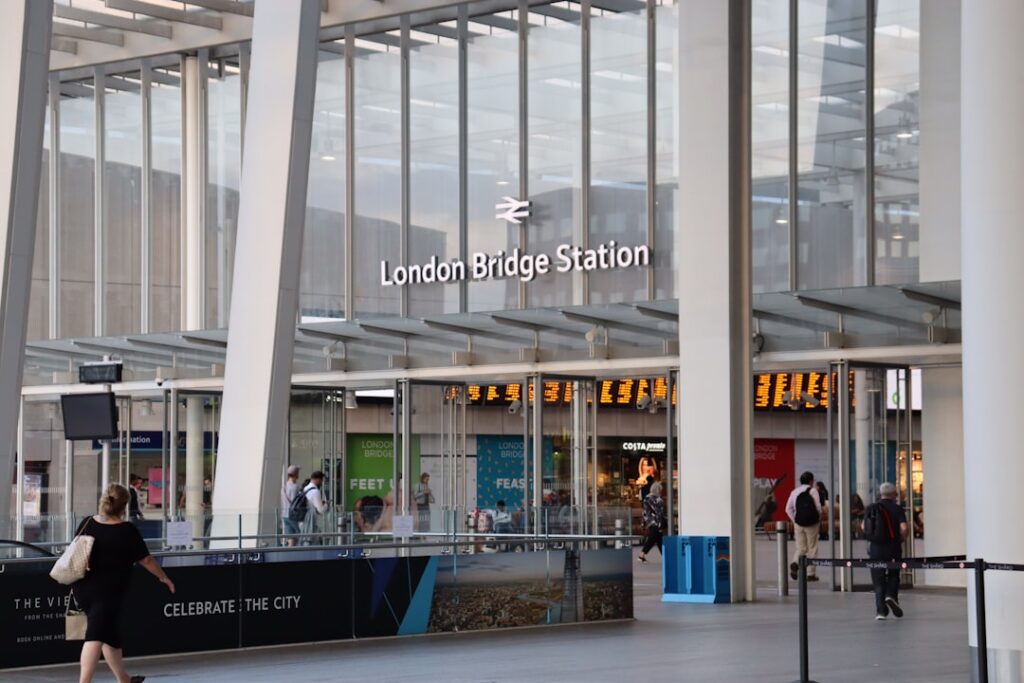
5) Departing: London St Pancras → Bruxelles‑Midi
- Eurostar direct is usually the practical choice: frequent departures 06:00–20:00, duration ~2 h. Example: depart 07:01 → arrive 09:05. Promos from £29 (~€35) when booked far in advance; standard fares €79–€199 depending on season.
- Multi‑country tip: sometimes cheaper to take Eurostar London→Lille and buy a separate Lille→Brussels promo ticket, but watch tight connections and UK immigration controls.
Itinerary checklist:
- Check connection times (allow ≥30 minutes buffer)
- Print or have digital proof of purchase and carry ID/passport for Eurostar
- Keep screenshots of timetables and train numbers
Section 4 — Getting around Brussels cheaply, where to stay and how to save on the last mile
Once you arrive in Brussels, the final cost depends a lot on how you get to your final destination. Here are the main options, useful office addresses, prices and timetables.
Main transport options from Bruxelles‑Midi:
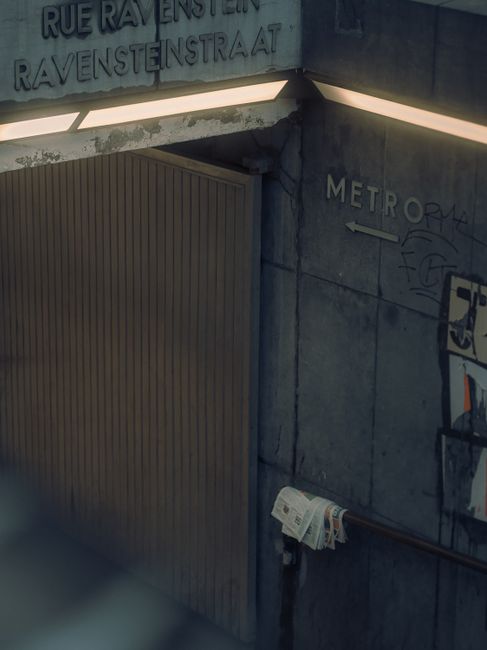
- Metro: Line 2/6 (direction Simonis/Elisabeth), entrance under the square in front of the station. Standard JUMP ticket (STIB/MIVB): €2.50 for a single trip (1 hour, unlimited transfers). Buy at station machines or on the STIB/MIVB app. Typical hours: roughly 05:00–00:00 (varies).
- Local SNCB trains: departures from platforms 1–8, frequent for most intra‑city lines. Example: Bruxelles‑Midi → Bruxelles‑Central (2 stops) in 3–5 minutes; SNCB urban ticket: €2.40–€3.60 depending on distance. Buy at machines or ticket desk.
- Tram / Bus STIB: lines 3, 4, 51 etc. Ticket: €2.50 (see 24‑hour option at €7.50). Buy onboard (cash rarely accepted) or at machines.
- Taxi: official taxi rank in front of Bruxelles‑Midi. Indicative fare to city center: €12–€20 depending on traffic and luggage. Apps: Bolt, Uber (prices vary). To save, prefer metro/tram if you don’t have heavy luggage.
Luggage storage and practical services:
- Automated lockers at Bruxelles‑Midi: located near platforms 1–4, open 06:00–22:00; indicative price: €6.00 (small) to €9.00 (large) per day.
- Brussels tourist office: Grand‑Place 3, 1000 Brussels — open 09:00–18:00 (hours vary by season). Useful for maps and tourist discounts.
Budget accommodations and useful addresses:
- Sleep Well Hostel, Rue du Chevalier de la Barre 11, 1000 Brussels — dorm beds €20–€35 per night (seasonal). Book via Hostelworld or the hostel website.
- Hotel a&o Brussels City Centre, Rue du Père Damien 6, 1030 Schaerbeek — budget double rooms €50–€80 per night with advance booking.
- Airbnb / holiday rentals: often cheaper if booked weeks ahead, especially around Gare du Nord and Sainte‑Catherine.
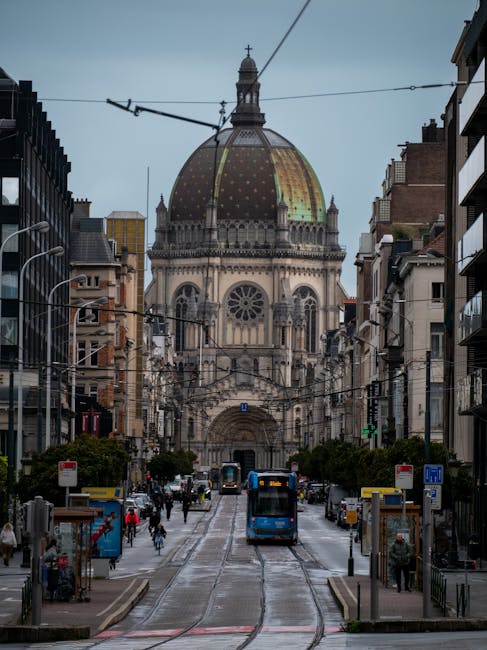
Practical tips to save on the last mile:
- Take the metro/tram instead of a taxi: typical savings €10–€15.
- If you’re two or more with luggage, compare the cost of STIB tickets (€2.50 each) vs. a taxi (€15): for groups of 3+ a taxi can become competitive.
- Use the MOBIB card: rechargeable and valid on STIB (metro/tram/bus). Initial card cost ~€5 + top‑ups for passes (1 day/3 days). For short stays, buy single tickets or a 24‑hour pass (€7.50) if you plan 3+ trips in a day.
Section 5 — Local tips, common pitfalls and final checklists for a stress‑free trip
Here’s a list of concrete tips locals use to save money and avoid hassles in Brussels. The advice ranges from luggage handling to which times to avoid, and budget food options near the stations.
Buying tips and discounts:
- Use the SNCB Rail Pass if you plan 4+ trips in Belgium: 10 journeys 2nd class = €92 (indicative). Available at SNCB ticket desks and on the official app. Advantage: flexibility (valid with datestamp).
- Youth (under 26): Go Pass 1 (single trip) or Go Pass 10 (10 trips) are often the cheapest options for national travel — check current conditions on www.belgiantrain.be.
- Avoid unofficial resellers that tack on extra fees. Use official sites: Eurostar, Thalys, SNCB, NS International.
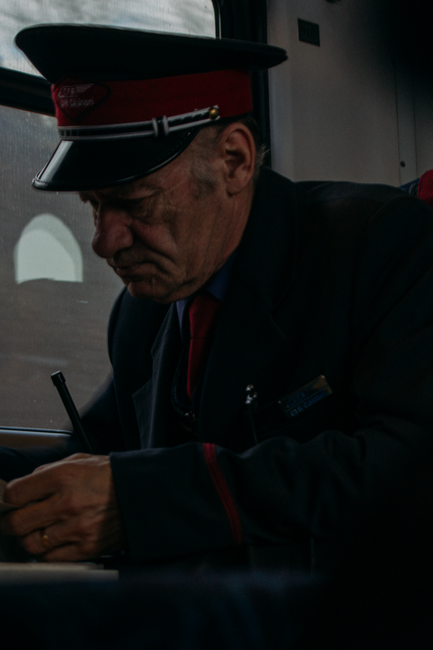
Times and days to favor or avoid:
- Avoid morning rush hour (07:00–09:00) and evening rush (16:30–18:30) if you want cheaper tickets and a calmer experience. Promos are often for off‑peak departures (mid‑morning, mid‑afternoon).
- Weekend travel can sometimes reduce prices on certain international routes (Eurostar weekend promos). Midweek travel (Tuesday/Wednesday) often yields the best fares.
Cheap places to eat near the stations:
- Around Bruxelles‑Midi: Matonge Market (Rue du Midi), sandwiches and local fry stands; budget €5–€10 for a full meal. Market address: Rue du Midi 133, 1000 Brussels (pedestrian area around the station).
- Near Bruxelles‑Central: sandwich shops on Rue des Bouchers 2, 1000 Brussels — lunch menus €8–€15.
- If you want mussels and a beer: Restaurant Chez Léon, Rue des Bouchers 18, 1000 Brussels — dishes usually €15–€24; a classic but touristy option.
Common pitfalls to avoid:
- Don’t confuse Bruxelles‑Midi (international hub) with other local stops — always double‑check the bilingual station name (Bruxelles/Brussel).
- For Eurostar, allow at least 45–60 minutes before departure for immigration and security checks in London/Paris. Boarding closes 10–15 minutes before departure.
- Don’t leave your luggage unattended: use locks and record locker details if you store bags at the station.
Final departure checklist:
- Tickets printed or available on your phone + screenshot backup
- ID / passport (Eurostar requires identity checks)
- Chargers, adapters, empty water bottle (fill after security)
- Euros for small expenses (lockers, snacks)
- Plan B: time of the next train if you miss a connection and customer service numbers (Eurostar: +33 1 70 90 37 51, SNCB: +32 2 528 28 28)

Conclusion — Your action plan to reach Brussels cheaply (recap and sample itinerary)
To wrap up, here’s a concrete action plan you can apply right away depending on your starting point. Follow these steps and use the previous checklists to maximize your savings:
- Decide your ideal arrival station in Brussels (Midi for international, Central for immediate city center, Nord if arriving from the north or Antwerp).
- Identify the type of train (Eurostar/Thalys for speed; IC/TER/SNCB for budget). Compare prices on official sites (eurostar.com, thalys.com, belgiantrain.be, nsinternational.nl).
- Book at least 2–3 weeks ahead for international trains; 1–2 months ahead for Eurostar/Thalys to catch the best promos (e.g. €29–€49 depending on route).
- If you’ll travel several times in Belgium, buy a Rail Pass (10 trips ≈ €92) or a Go Pass if you’re under 26.
- Plan local logistics: use STIB metro/tram tickets (€2.50) or MOBIB for multiple rides, and avoid taxis unless you’re in a group.
- Print your checklist: tickets, ID, chargers, cash, Plan B.
Sample budget itinerary (Paris→Brussels):
- Day J‑30: compare eurostar.com and thalys.com for your time slot → book Eurostar 08:25 Paris Gare du Nord → Bruxelles‑Midi for €29 if available.
- Day J‑7: check STIB metro times and buy a MOBIB card if you plan 2+ trips in a day (24‑hour card = €7.50). Confirm luggage storage if needed at Bruxelles‑Midi (€6–€9).
- Day J: arrive 45–60 minutes before Eurostar departure for checks; verify platform and boarding details.
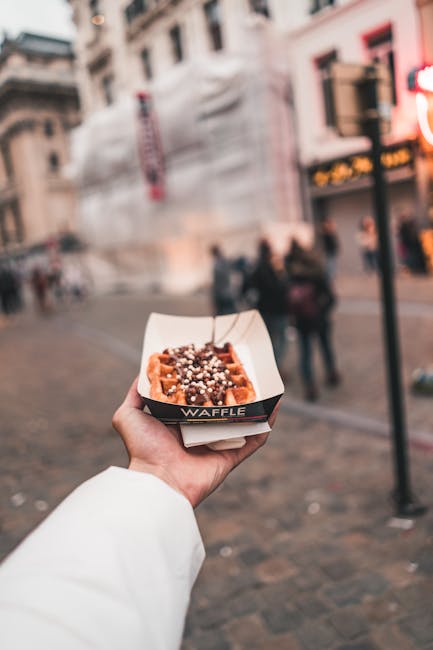
This guide has given you exact addresses, typical timetables, prices in euros and actionable checklists. Prices change with season and promotions, but the strategy remains: compare, book early, and use local passes and connections to cut the final‑mile cost. Enjoy your trip to Brussels — and don’t forget to try a Belgian waffle when you arrive!