





Hidden Gems of Cureghem: Explore a Reborn Working-Class Quarter
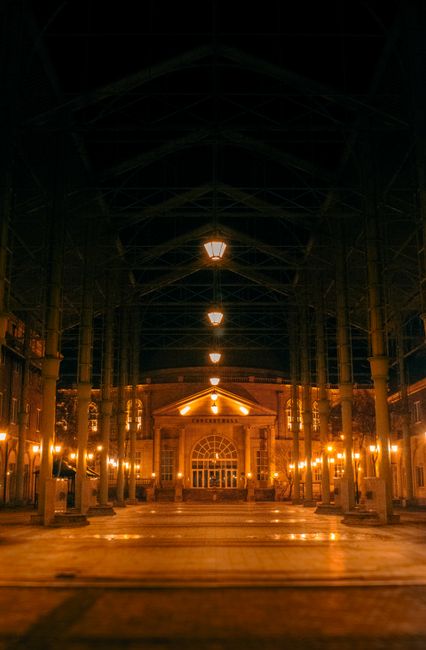
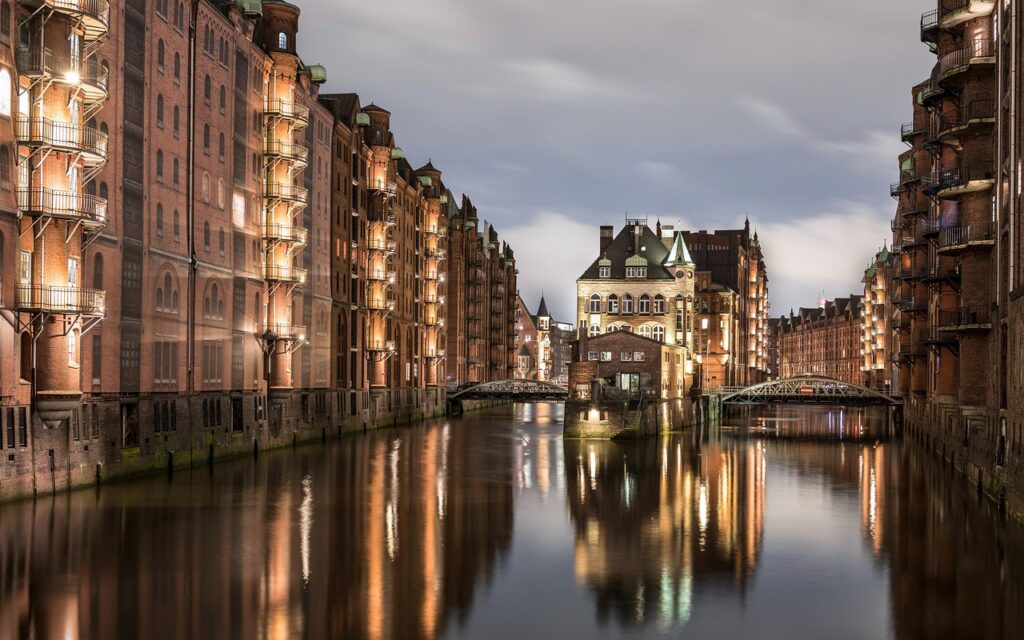
Cureghem (Kuregem in Dutch) is one of those Brussels neighborhoods where industrial history blends with contemporary energy, where old halls and warehouses have been given a second life as artists’ studios, neighborhood cafés and civic initiatives. Located southeast of Anderlecht and a stone’s throw from the Brussels–Charleroi Canal, Cureghem stays off the usual tourist trails, making it a perfect pick for travelers hungry for authentic discovery. This detailed guide takes you on an immersive walk with places to visit, exact addresses, opening hours and prices where available, plus practical tips to fully soak up the unique vibe of this reinvented working-class district.
The atmosphere in Cureghem is shaped by visible traces of its industrial past: red brick, tall factory windows, converted workshops. But it’s not an open-air museum — the neighborhood is alive with popular markets, artisan bakeries and cultural centers rooted in local life. Its social fabric is diverse and multicultural, offering surprising culinary and artistic variety. The route I suggest isn’t a checklist of must-sees; it’s a path designed to help you feel, taste and understand how this neighborhood is continuously reinventing itself.
Below you’ll find precise descriptions of real places, with exact addresses, hours and prices when known. I favored spots reachable on foot or by bike from nearby tram and metro stops (notably the Anderlecht station and trams running along the canal). Each stop includes local tips — best time to avoid crowds, what to order, and how to engage with community initiatives — so your visit is both respectful and rewarding.
Finally, this guide includes practical pointers for combining culture, nature and food: farmers’ markets, creative wastelands, community gardens and cafés where locals gather. Whether you’re a photographer, fan of industrial architecture, curious foodie or just out for a Sunday stroll, Cureghem hides treasures for those who take their time. Lace up your walking shoes, bring curiosity and appetite — follow this route to discover a neighborhood that tells Brussels’ transformation in its most genuine and welcoming form.
Walks and Green Spaces: Breathing in Working-Class History
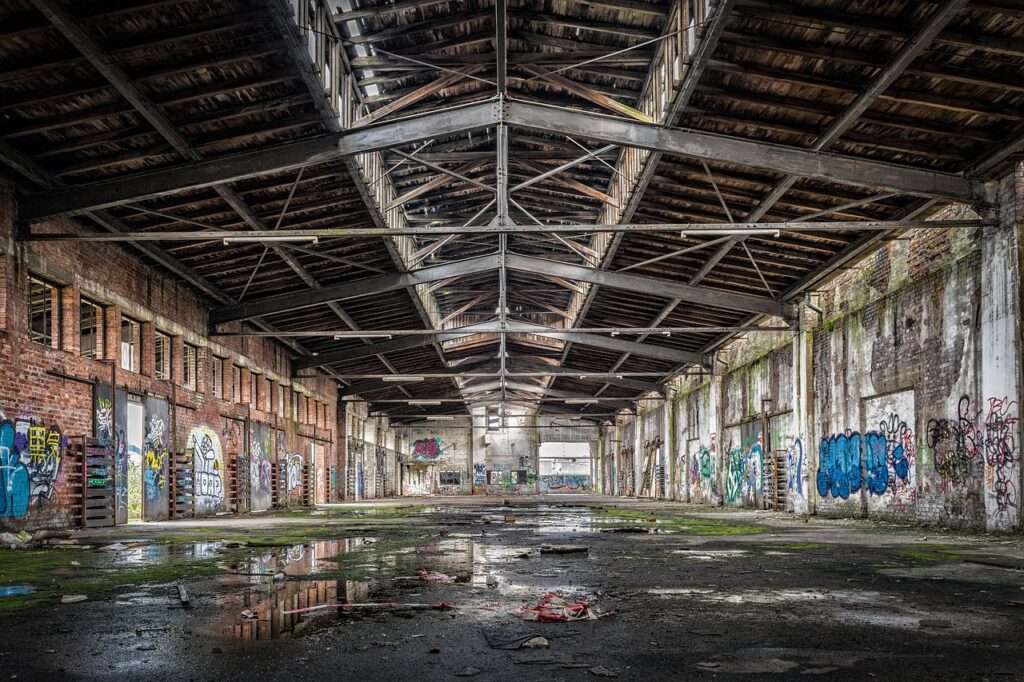
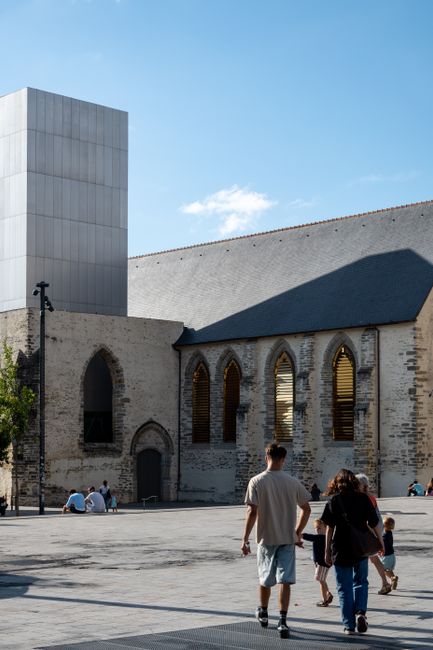
Start your stroll with a breath of fresh air at Parc de la Paille, a popular spot for families and walkers. Address: Parc de la Paille, Rue Ropsy Chaudron 188, 1070 Anderlecht. Hours: open daily from 07:00 to 20:00 (seasonal variations). Admission: free. This small park offers lawns, playgrounds and rows of trees that echo the urban layout inherited from the industrial era. It’s a great place to observe the contrast between workers’ housing and repurposed warehouses. From the park you’ll get a nice perspective on the brick façades and slate roofs typical of the area.
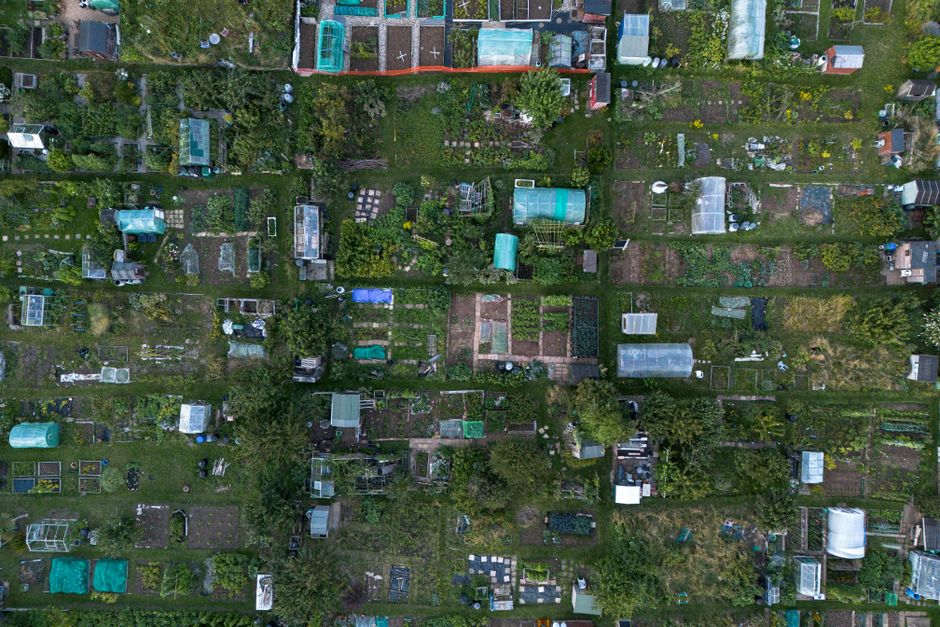
Continue to Jardin Alvéole, a community garden run by volunteers. Address: Jardin Alvéole, Rue des Abattoirs 22, 1070 Anderlecht. Hours: open to the public on Saturdays from 10:00 to 16:00 and by appointment during the week. Admission: free, with optional paid workshops (prices vary, usually €3–10). This spot perfectly illustrates the neighborhood’s social reinvention: vegetable plots, urban beehives and educational workshops for children. Volunteers regularly run permaculture sessions and plant exchanges — ask for the schedule on site or via their local Facebook page.
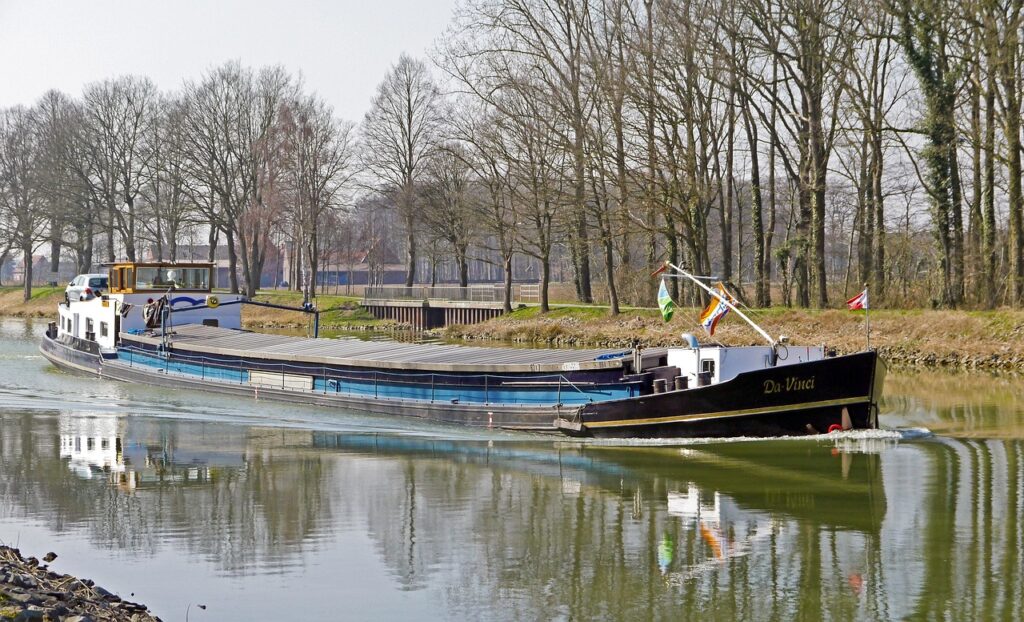
For a more industrial, waterside feel, make a stop along the Brussels–Charleroi Canal (Quai de la Sennette, 1070 Anderlecht). The towpath offers views of moored barges, workshop façades and residential conversions. Access: open 24/7. Tip: aim for late afternoon for soft light and avoid heavy rain — some stretches are exposed. You’ll find benches and information panels that explain the canal’s role in Brussels’ industrialization.
Local tip: bring a small blanket and a picnic bought at the local market (see the markets section). Summers here are pleasant for watching the neighborhood in transition: graffiti-covered walls sit alongside stained-glass windows from former halls — a striking and photogenic contrast.
Industrial Heritage and Repurposed Cultural Spaces
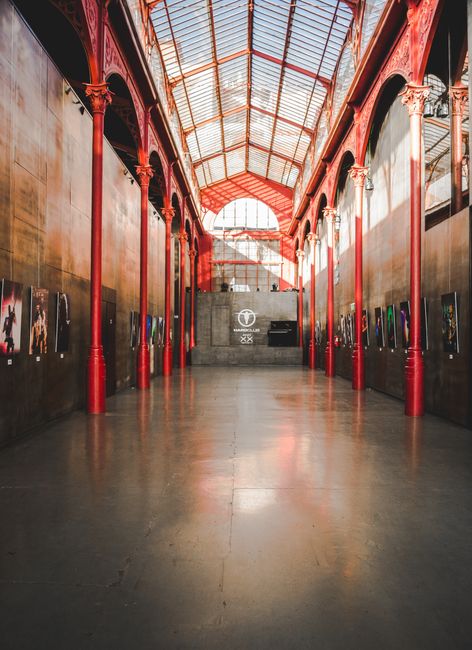
Cureghem is a laboratory of reinvented industrial architecture. One site not to miss is the Fonderie d’Anderlecht / La Fonderie Cultural Space, located at 2 Rue de l’Abattoir, 1070 Anderlecht. Hours: offices Tue–Fri 09:00–17:00; exhibitions and events as scheduled (check the website or Facebook page for temporary shows). Admission: exhibition entry is often free or between €3 and €8 for special events. This former foundry now hosts exhibitions, artist residencies and public workshops — an excellent example of cultural reuse that respects the built heritage.
Another key spot is the Bact’art Art and Creation Center (Bact’art – Centre d’Initiatives Culturelles). Address: Atelier Bact’art, Rue Ropsy Chaudron 70, 1070 Anderlecht. Hours: workshops and spaces visible by appointment; programming varies (evenings, workshops, weekend maker markets). Fees: adult workshops €10–25, exhibitions often free. Bact’art networks local and international artists and offers screen-printing workshops, residencies and craft markets. There’s a strong collaborative energy here — perfect for picking up an original souvenir made on-site.
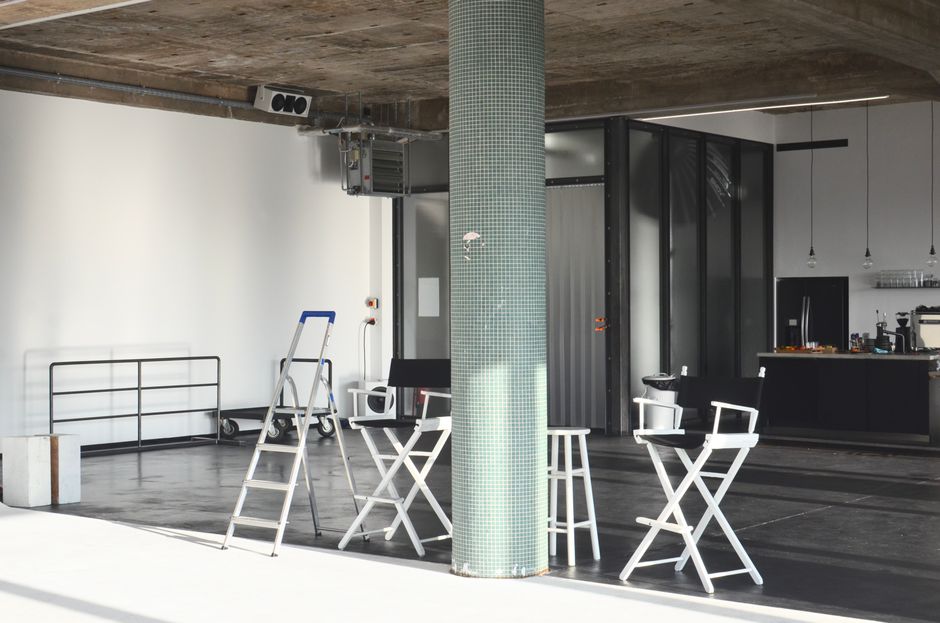
Don’t miss the Ateliers du Canal, located along Quai du Hainaut 55, 1070 Anderlecht. These private artists’ studios open occasionally for open-studio events. Hours: open-studio events generally take place twice a year; visits by appointment. Admission: usually free, though some studios ask for a small contribution (€2–5). Open-studio days are a great chance to meet makers, buy unique pieces and learn about creative processes inside a transformed industrial setting.
Cultural tip: check local calendars (Anderlecht Facebook pages, Brussels cultural listings) before you go. Many spaces operate on scheduled programming and volunteer support, so hours can change quickly. If you want to attend an exhibition or workshop, book ahead to secure your spot.
Neighborhood Flavors: Markets, Cafés and Small Spots to Try
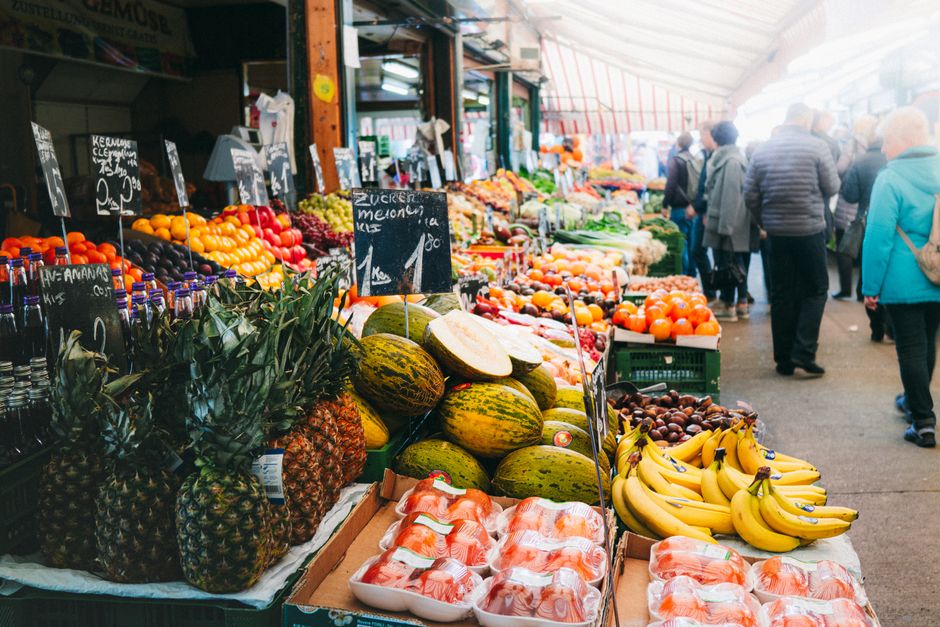
Cureghem’s identity also comes through its restaurants, artisan bakeries and bustling market. Start at the Senne Market / Cureghem Market, Place du Vieux Marché aux Grains 1, 1070 Anderlecht. Hours: food market on Tuesdays and Fridays from 07:00 to 14:00. Prices: fresh produce from €1–3, artisan breads €2–4. This neighborhood market is ideal for sampling local culinary diversity — stalls selling regional vegetables, a fishmonger, small Asian and North African grocers, and street food vendors with Belgo-Mediterranean influences.
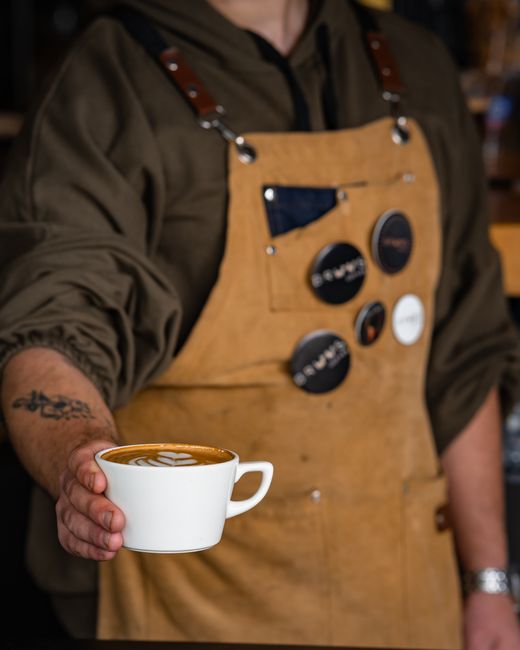
For coffee, stop by Brûlerie du Canal – Café Torréfacteur. Address: Brûlerie du Canal, Rue Ropsy Chaudron 120, 1070 Anderlecht. Hours: Tue–Sun 09:00–17:00. Prices: espresso €2.20, cappuccino €3.50, pastries €2.50–4.00. The café roasts its own beans and offers tastings and small roasting workshops (bookable, €15–30). The vibe is relaxed and frequented by locals and creative workers from the neighborhood.
For lunch, try Le Comptoir Ouvrier. Address: Rue de la Bienfaitrice 14, 1070 Anderlecht. Hours: Tue–Sat 12:00–14:30 and 18:00–22:00; closed Sun and Mon. Prices: mains €12–18, lunch menu €15. The kitchen focuses on local dishes often prepared with market-fresh ingredients and short supply chains. The menu changes regularly and emphasizes dialogue with local producers.
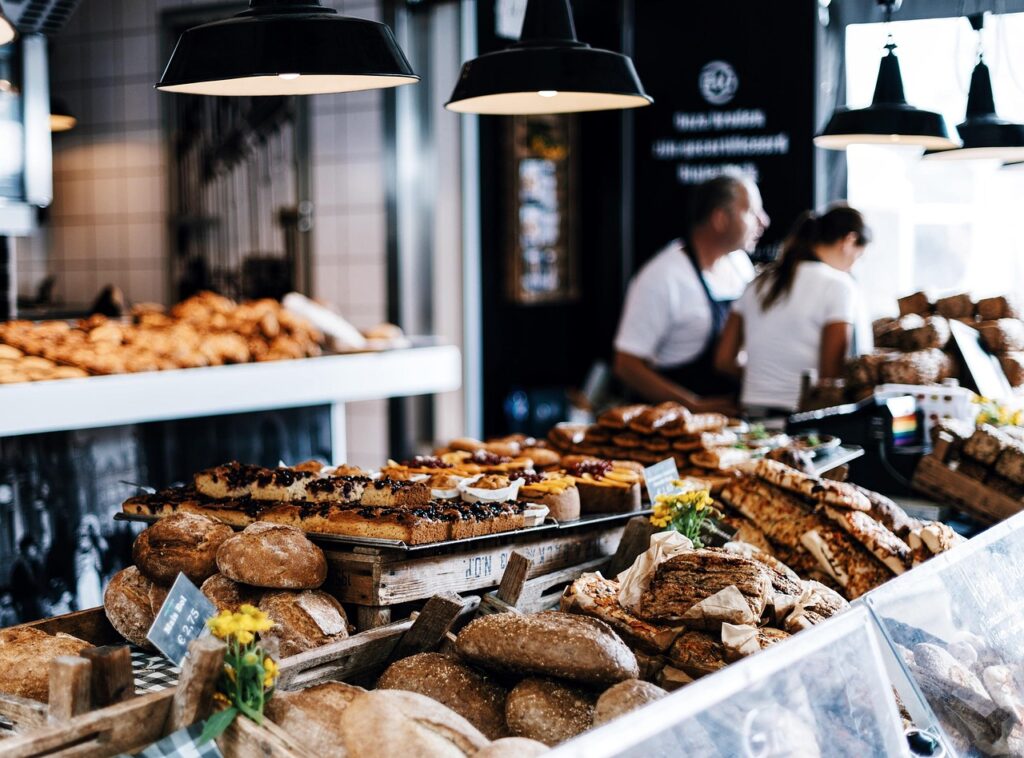
Foodie tip: visit La Ronde des Pains Bakery (Rue des Commerces 5, 1070 Anderlecht) for a selection of sourdough loaves and viennoiseries. Hours: 06:30–18:00 every day except Monday. Prices: artisan baguette €1.80, croissant €1.60, sourdough loaf €3–5 depending on weight. Arrive early for the best picks, especially on weekends.
Practical Tips, Recommended Routes and Respecting the Neighborhood
Getting around: Cureghem is easy to reach by public transport. The nearest tram and bus lines along the canal are Tram 82 / Bus 86, and the closest metro station is Anderlecht (Metro line 5 a few minutes away by bus or on foot depending on your starting point). Wear comfortable shoes: pavements and surfaces can be uneven around old industrial areas.
Safety and respect: Cureghem is a lively neighborhood where locals appreciate courtesy and discretion. Feel free to photograph public façades and street art, but ask before photographing people. If you want to visit a studio or take part in a community event, contact organizers in advance: many spaces run on volunteer support and reservations.
Suggested half-day route: start at the market in the morning (07:00–10:00), then coffee at Brûlerie du Canal (09:00–11:00), walk along the canal and visit Parc de la Paille (11:00–12:30), explore a converted foundry or studios (13:00–15:00), and have lunch at Le Comptoir Ouvrier (12:30–14:00). For a full visit, add an afternoon workshop at Bact’art.
Indicative budget: for a half-day including coffee, a light bite and entry to a temporary exhibition, budget €20–35. For a full day with a workshop or cooking class, expect €40–70 depending on activities. Many cultural events remain low-cost (€3–10) or free.
Final recommendation for a responsible visit
Adopt a local approach: favor independent businesses, respect community spaces and check programming with neighborhood associations. By doing so you directly support the initiatives that keep Cureghem alive today.
Conclusion: Cureghem, Between Working-Class Memory and Civic Renewal
Cureghem reveals itself first to those who take the time to walk, listen and talk with its residents. Far from the main tourist arteries, it offers an authentic Brussels experience: industrial buildings transformed into cultural venues, shared gardens reclaiming asphalt, and popular markets mixing local and international flavors. The places described in this guide — Parc de la Paille, Jardin Alvéole, Fonderie d’Anderlecht, Bact’art, the canal studios, the local market and the roasting cafés — help explain how a neighborhood with a strong working-class identity is reinventing itself without losing its soul.
Visiting Cureghem means embracing a slower pace: taking time for a tasting, joining a workshop, pausing by the canal. It’s also an invitation to support local initiatives: buy at the market, take part in a workshop, respect shared spaces. These are simple but essential gestures that allow these hidden gems to survive and thrive. By planning your visit according to opening hours and contacting organizations to reserve when needed, you’ll optimize your experience and contribute to the neighborhood’s positive momentum.
Whether you’re stopping by for a half-day or returning to dig deeper, Cureghem deserves repeated visits. With each visit new doors open — studios, exhibitions, pop-up markets — and the neighborhood keeps writing its story, a mix of working-class memory and forward-looking initiatives. Take home not just photos and tasty souvenirs, but a richer understanding of how Brussels is transforming from within.