





Introduction: Discover Brussels on a Budget — why this guide is for you
Brussels wears many hats: home to European institutions, a cultural crossroads, and the world capital of chocolate and beer. Yet the idea that visiting Brussels is inherently expensive is largely a myth. With a bit of planning, smart route choices and a few local tips, you can have a rich, authentic experience without blowing your budget. This practical guide focuses on precise addresses, opening hours, indicative prices and hands-on tips to help you make the most of Belgium’s capital — whether you’re here for a weekend or a few days.
We’ll cover must-sees that are free or low-cost (Grand-Place, Manneken Pis, wandering the historic neighborhoods), museums and attractions at reasonable prices (Musée Magritte, Atomium, Royal Museum of the Armed Forces), money-saving food and drink tips (best cafés for an affordable breakfast, sandwich shops, local markets), and budget transport options (STIB tickets, day passes, walking). I emphasize full practical details — venue names, exact addresses and usual opening hours — and list prices in euros so you can plan your spending precisely.
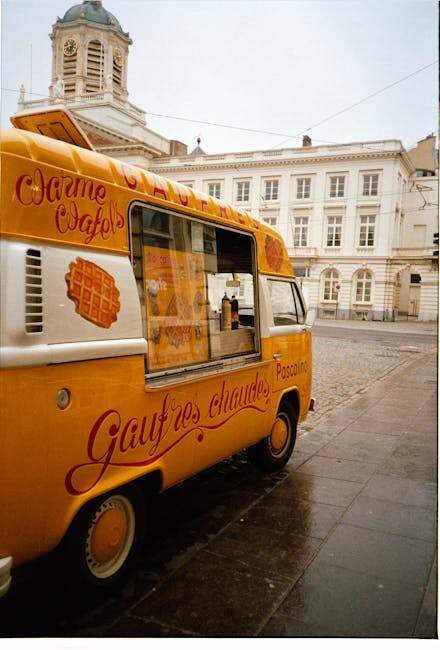
Throughout the guide you’ll also find recommendations for inexpensive local experiences: have a reasonably priced Belgian beer in a popular pub, try an authentic waffle, browse the flea market at Place du Jeu de Balle, or enjoy a free viewpoint for city panoramas. For each suggestion I give immersive descriptions: what you’ll see, smell and hear, how to dodge the crowds and which times to aim for if you want to save money. I also highlight simple, effective habits to limit costs: buy a carnet of STIB tickets, choose museums with free days, take advantage of happy hours and lunchtime menus, and buy chocolate by the piece rather than in tourist boxes.
This guide isn’t a substitute for being there, but it gives you the tools to build a Brussels trip that’s full of variety and financially manageable. The addresses and hours below reflect the usual information; check for updates before you travel (public holidays, temporary exhibitions or exceptional closures). Now lace up your comfortable shoes: Brussels is best explored on foot, and that’s often where the savings and the best surprises begin.
1) Free must-do walks: heritage, narrow streets and lively squares
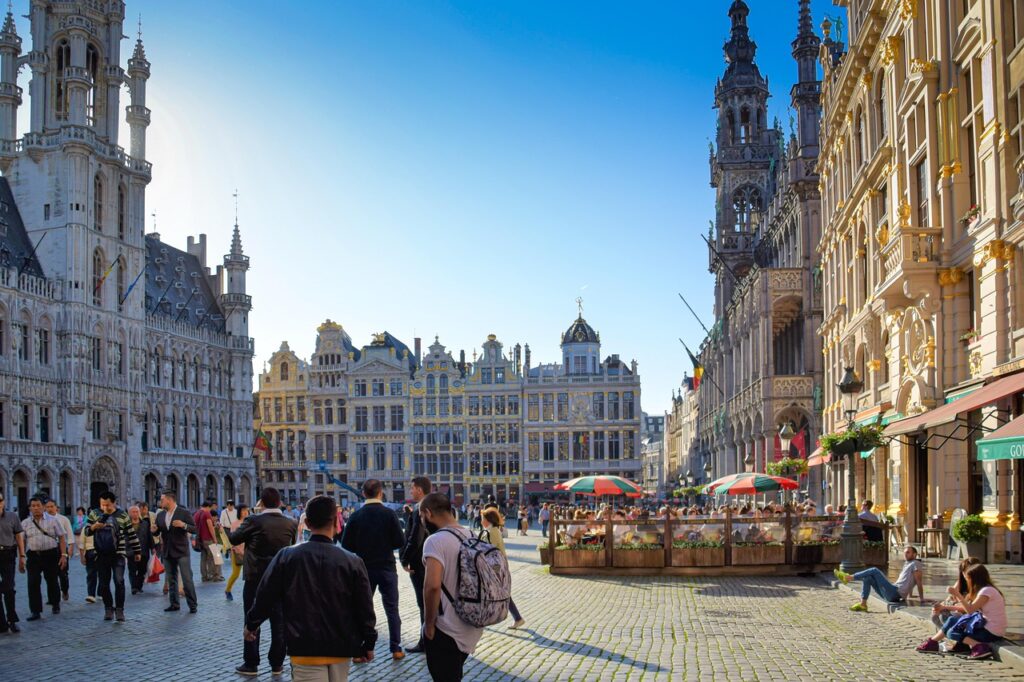
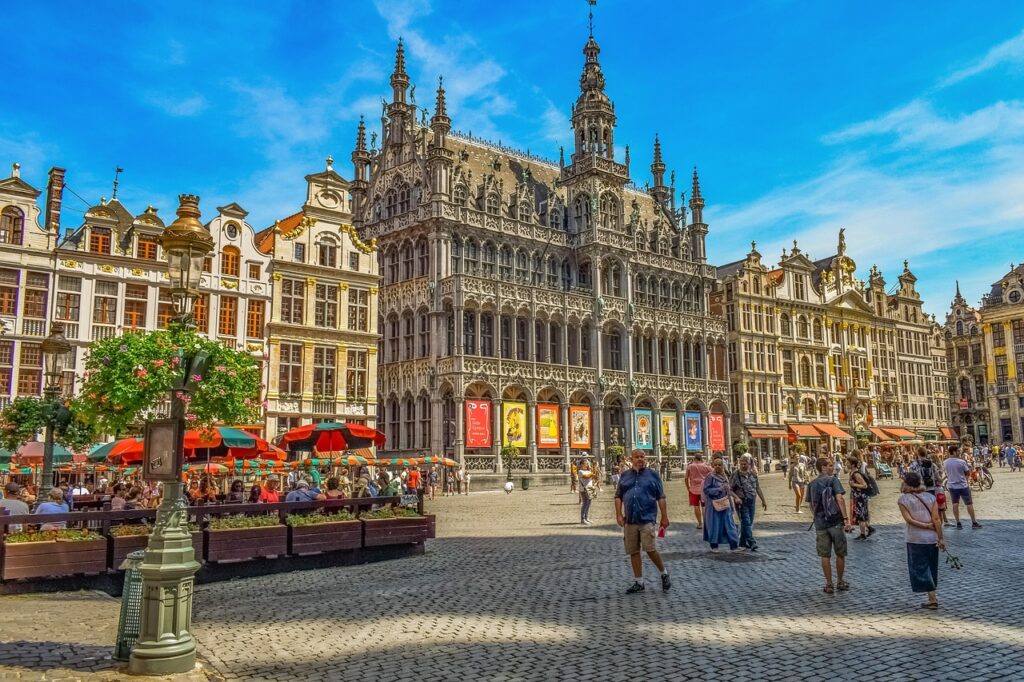
The Grand-Place (Grote Markt) is probably the city’s most iconic spot: Grand-Place, 1000 Brussels. A UNESCO World Heritage site, the Grand-Place is free to visit. You’ll be immersed from the first moments: gilded facades, guild houses and the Gothic Town Hall. Aim to be there early in the morning to avoid crowds and enjoy the soft morning light. The square is spectacular by day and by night when the facades are lit up.
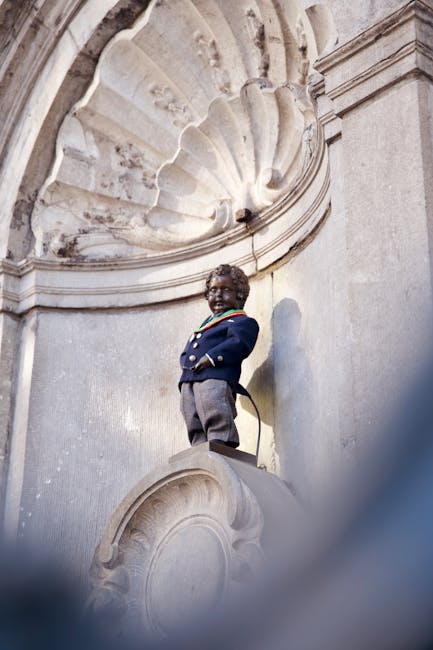
Just a short walk away, don’t miss the famous Manneken Pis at Rue de l’Étuve / Stoofstraat, 1000 Brussels. The statue is free to see and is often dressed according to a costume schedule. The area can get crowded; a useful money-saving tip is to visit in the morning (before 11:00) or late in the evening for photos with fewer people.
Stroll through the Royal Saint-Hubert Galleries: Galeries Royales Saint-Hubert, Galerie du Roi, 1000 Brussels. This 19th-century covered arcade offers an elegant change of scene — chocolate shop windows, bookstores and tea rooms — without spending a cent: entry is free, you only pay if you buy something. It’s a great place to shelter from unpredictable weather while soaking up a luxurious atmosphere.
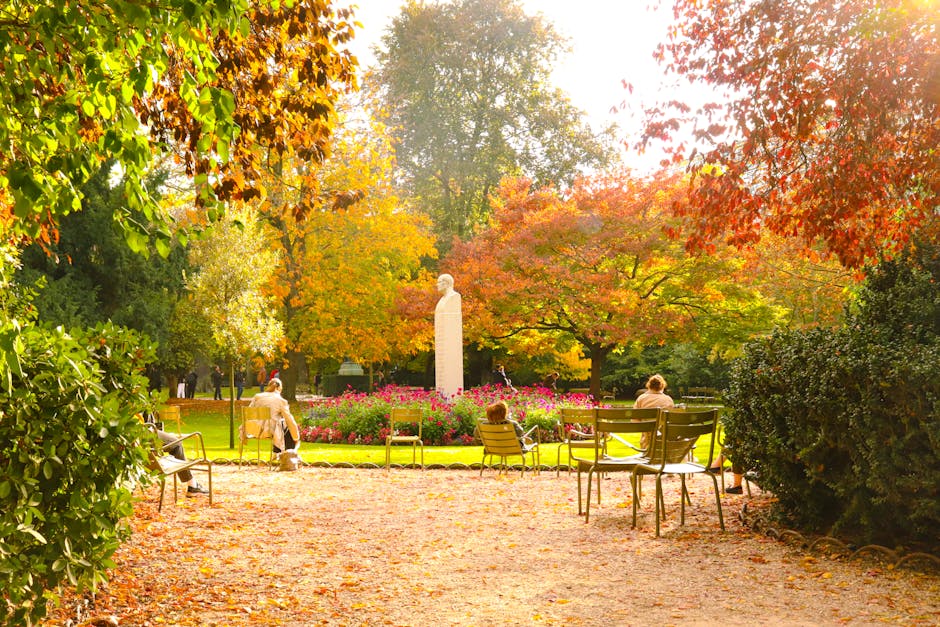
For a more local vibe, head to the Sablon district and the Church of Our Blessed Lady of the Sablon: Place du Petit Sablon / Kleine Zavel, 1000 Brussels and Church of Our Blessed Lady of the Sablon, Rue des Sablons 11, 1000 Brussels. The Petit Sablon garden, with its statues and clipped hedges, is perfect for a quiet bench break and a bit of reading. Weekend antique markets around Place du Sablon are great for browsing without spending much: look, haggle a little, and you might come away with an affordable keepsake.
Practical tips: walk as much as possible — Brussels is compact and many attractions are within walking distance. Info boards and plaques on historic buildings are free and make for an excellent self-guided tour. Pick up a free paper map at the tourist office (Rue du Marché aux Herbes 61, 1000 Brussels) to mark sites and optimize your routes.
2) Museums, exhibitions and paid attractions on a budget
Brussels has a range of museums for every budget. The Musée Magritte (Magritte Museum) is almost a must for fans of surrealist art: Musée Magritte, Rue de la Régence 3, 1000 Brussels. Indicative price: €12 for an adult ticket. Usual opening hours: Tuesday–Sunday 10:00–18:00 (closed Monday). Money-saving tip: check for free or reduced days for under-26s, students and groups; combination tickets with other Royal Museums of Fine Arts can lower the cost.
For an iconic attraction, the Atomium is at Square de l’Atomium, 1020 Brussels. Indicative price: €16 for an adult, €9 for children (6–11 years); usual hours: 10:00–18:00. The Atomium offers panoramic views and unique futuristic architecture. If your budget is tight, you can admire the Atomium from the surrounding park for free, snap dramatic photos and skip going inside.
The Royal Museum of the Armed Forces and Military History is located at Parc du Cinquantenaire 3, 1000 Brussels. Indicative price: €10–12 depending on temporary exhibitions. Hours: 10:00–17:00, closed Monday. The Cinquantenaire park itself is free — ideal for an economical picnic, a bike ride or photos near the triumphal arch.
For families, many museums offer child discounts and occasional open museum days. Another interesting option is the Brussels Museums Card (valid 24/48/72h), which includes entry to several museums and sometimes transport; depending on your schedule it can be more economical. Smaller or university museums (City of Brussels Museum, Cinema Museum) often have lower prices around €5–8.
Tips: favor morning visits to avoid queues, buy tickets online when possible to get reduced rates, and check museum websites for free evenings or concessions for youth, seniors and families.
3) Eating and drinking in Brussels without overspending: cafés, snacks and local markets
You can save on food in Brussels with a few smart choices. Start the day with a simple breakfast: a coffee and a pastry at a local bakery usually costs between €3 and €6. Try classic spots like Maison Dandoy (specialty: speculoos, waffles) at Rue au Beurre 31, 1000 Brussels — a paper-wrapped waffle costs roughly €3.50–€5. For a fuller breakfast with coffee, expect about €8–12 in a non-touristy café.
For lunch, pick artisanal sandwich shops and local friteries. A portion of fries at a proper friterie (real Belgian fries) averages €3.50–€4.50, and a combo with fries + sauce + a small drink is around €6–8. Sainte-Catherine street and the surrounding area (e.g. Place Sainte-Catherine, 1000 Brussels) offer several affordable options. Midday menus in local brasseries typically run around €12–16 for a dish of the day.
In the evening, if you want to sample Belgian beer without paying a fortune, head to popular bars rather than tourist traps. For instance, Delirium Café (address: Impasse de la Fidélité 4A, 1000 Brussels) has an enormous beer list; expect to pay around €3.50–€6.00 for a standard pint depending on the brew. Another tip: happy hours (often between 17:00 and 19:00) reduce prices on some beers and cocktails.
To save significantly, shop at a local supermarket (Carrefour Market, Delhaize, Colruyt) and make a picnic: local products (cheese, bread, cold cuts) for €5–10 per person are enough for a pleasant meal in a park. The covered market at Marché des Abattoirs / Gare du Midi Market and the Marché du Midi (Brussels-Midi) offer fresh goods at good prices, often cheaper than tourist shops.
Sweets and treats: for good chocolate without breaking the bank, buy individual pieces at shops like Neuhaus or Pierre Marcolini in the galleries — purchase single chocolates (around €1.50–€3.00 each) instead of tourist boxes. And for those with a sweet tooth, Maison Dandoy’s biscuits and waffles (since the 19th century) are a lovely way to taste a Belgian specialty for under €6.
4) Transport, budget accommodation and local tricks to lower your bill
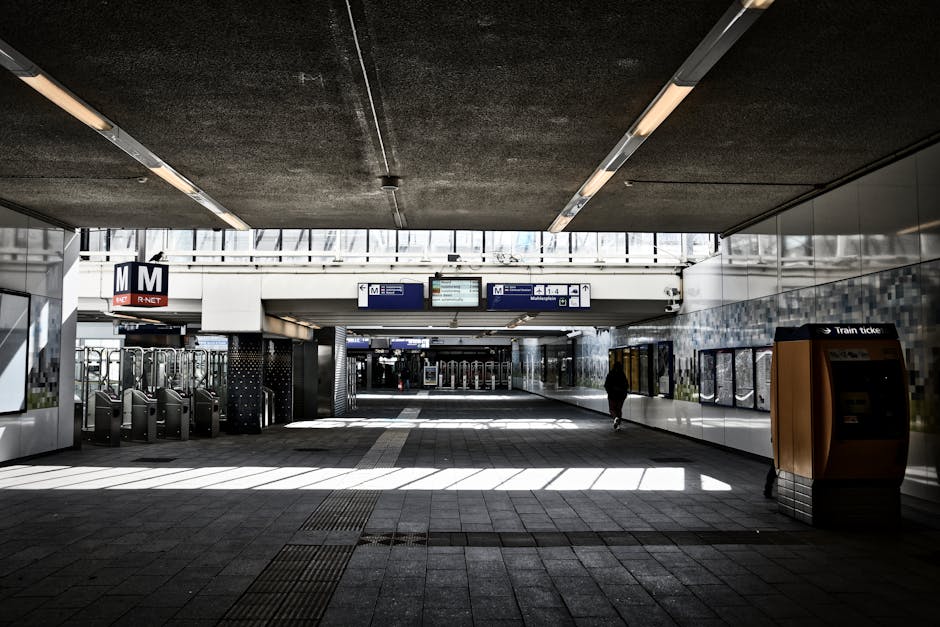
Getting around smartly in Brussels can save you a lot. The STIB network (bus, tram, metro) is dense and efficient. A single STIB ticket (1 hour, transfer valid) costs about €2.50. If you expect several trips, consider the 24‑hour STIB ticket at about €7.50 (indicative) or a rechargeable MOBIB card which can offer decreasing fares. Tickets are available at stations, ticket machines or via the official app. Walking is often the most economical and pleasant way to get around the center.
For accommodation, favor hostels, home stays (Airbnb) or small hotels a bit further out but well-connected by metro. Example prices: a hostel bed can cost €20–€40 in a dorm, while a budget double room is usually between €60–€100 depending on season and distance from the center. Neighborhoods like Saint-Gilles, Ixelles and Forest offer more affordable options and a local atmosphere.
Money-saving tip: book outside major congresses and big European events (which drive prices up). For dining, avoid restaurants with multilingual menus and photos outside — they’re often tourist traps with poor value. Prefer brasseries frequented by locals (check peak hours and the presence of a daily menu) and small neighborhood canteens.
Other practical tips: bring a reusable water bottle (there are drinking fountains in some parks), use café restrooms when you buy a drink, and always ask if a museum has a reduced rate or free entry on certain Sundays. Also download offline maps (Google Maps, Maps.me) to avoid roaming charges and to navigate efficiently.
Safety and savings: Brussels is generally safe for visitors, but stay alert in tourist areas where pickpockets operate. Keep valuables in a closed bag and avoid flashing large amounts of cash. This simple vigilance will help you avoid stress and unexpected expenses.
Conclusion: Enjoy Brussels smartly — final tips and an action plan
Brussels offers a unique mix of history, art, food and cosmopolitan atmosphere that lends itself perfectly to a well-prepared budget trip. By combining free walks (Grand-Place, Royal Saint-Hubert Galleries, Petit Sablon), targeted visits to reasonably priced museums (Musée Magritte, Royal Museum of the Armed Forces) and sensible dining choices (friteries, sandwich shops, markets and small cafés), you can create an experience-rich stay on a tight budget. Affordable transport options like the STIB network, day tickets when needed, or simply walking will keep travel costs down while letting you fully enjoy the city.
Before you go, draft a flexible itinerary listing 3–5 paid priorities (museums or attractions) and fill the rest of your time with free spots, walks and inexpensive food stops. Check museum websites for opening hours and free days — that single detail can turn a costly outing into a free discovery. Book accommodation outside peak demand periods and consider hostels or local rentals. And remember the golden rule: taste, observe and talk to locals — the best budget tips often come from Brussels residents themselves.
By following the advice in this guide — planning, timing visits, smart use of transport and choosing local venues — you’ll discover an authentic, tasty and welcoming Brussels without overspending. Whether you love art, food or wandering city streets, let yourself be surprised by the little wonders the Belgian capital reserves for those who take the time to explore it. Safe travels, and remember: the best saving is the one that lets you enjoy an unforgettable experience without regrets.