





Introduction: Understanding Brussels’ weather and planning your visit
Brussels, Belgium’s capital and the heart of Europe, is a city where history, food and culture meet a changeable climate that strongly affects when you should visit. Sitting not far from the North Sea and sheltered by low hills, Brussels has an oceanic temperate climate: cool winters, mild summers, rainfall spread throughout the year and days that can change quickly. For travelers, knowing these local weather quirks helps you make the most of your trip — avoiding rainy stretches, enjoying parks in bloom during spring, or scheduling indoor activities during short winter days.
In this practical guide we break down the seasons in Brussels — spring, summer, autumn and winter — and list the pros and cons of each, typical weather patterns, and useful tips (what to wear, activities, and attractions to favor). We also include practical details about well-known spots in the city with exact addresses, usual opening hours, indicative prices and immersive descriptions so you can adapt each day to the forecast. You’ll find local tips too, for example which cafés or museums are perfect for a downpour, or which viewpoints catch the best morning and evening light.
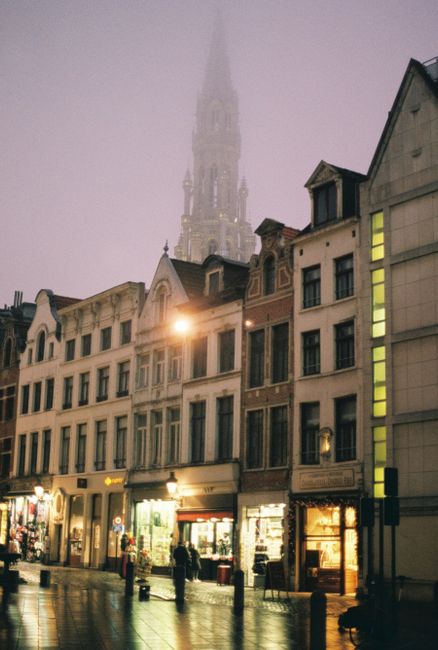
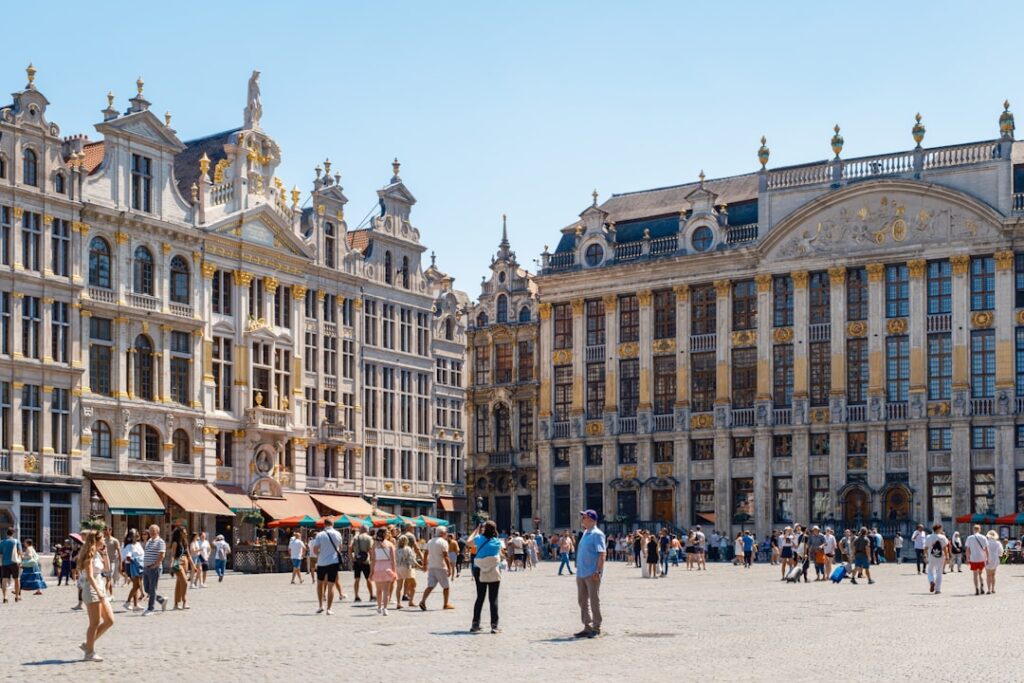
Brussels’ weather variability means that even a “partly sunny” day can include a short shower: rain tends to be frequent but brief. Prevailing winds from the west to northwest bring maritime air that keeps temperature swings fairly small; you rarely go from a heatwave to extreme cold overnight. That said, the ideal time to come depends on your priorities: museums and food, outdoor festivals, park walks or simply wandering the Grand-Place (Grote Markt). This guide will help you pick the best window and pack smartly, with concrete itinerary examples and places to favor depending on conditions.
We cover seasonal averages, how rainfall and temperatures are distributed, tips for travelers sensitive to cold or damp, how to make the most of urban microclimates (sheltered neighborhoods, parks), and a curated list of places to visit according to the weather (museums with hours and prices, cafés, terraces and covered walks). The goal is for you to finish this read with a realistic travel plan and concrete alternatives for any kind of weather.
Spring in Brussels: blooms, festivals and fickle weather
Spring (March to May) is one of the nicest seasons to explore Brussels if you’re willing to accept a bit of weather unpredictability. Average temperatures range from about 7°C in March to 16°C in May, while daylight hours lengthen steadily. Showers are still common, but they’re often short-lived and followed by sunny breaks — a cycle photographers love. May in particular mixes cool nights and mild afternoons, which makes walking around very pleasant.
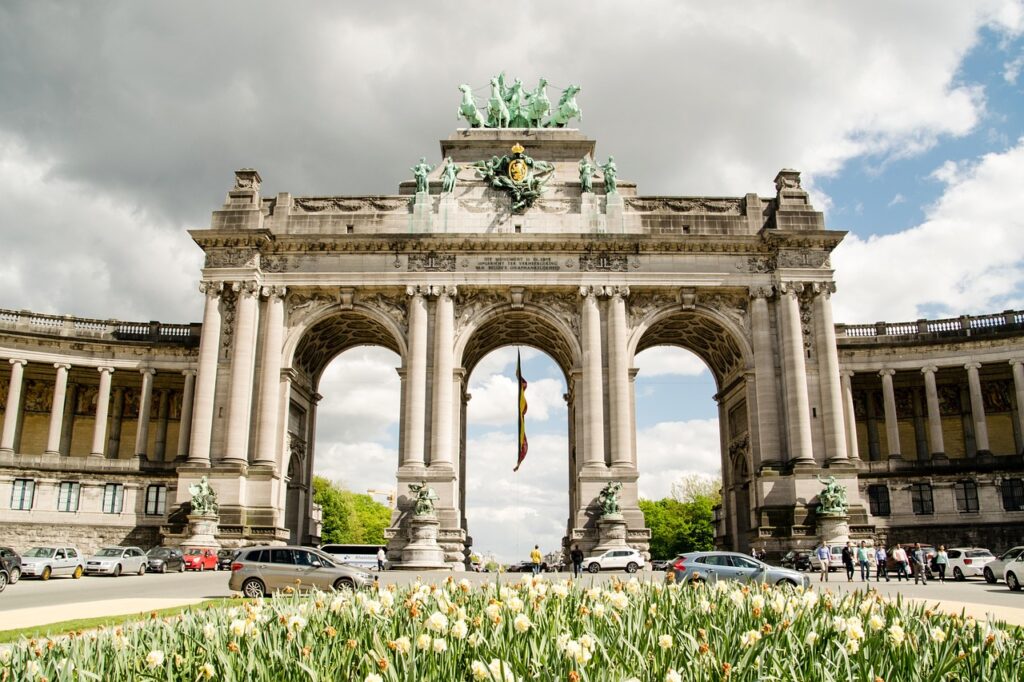
Activities-wise, spring is park season: Parc du Cinquantenaire (Cinquantenaire Park, 1000 Brussels) reveals its promenades, and the Mont des Arts (Mont des Arts, 1000 Brussels) offers flowery viewpoints over the old town. Long walks are best in the morning when the light is crisp and parks are quieter. The Flower Market around the Grand Sablon (Place du Grand Sablon, 1000 Brussels) is especially charming in spring — wander the lanes and pop into the nearby chocolate shops.
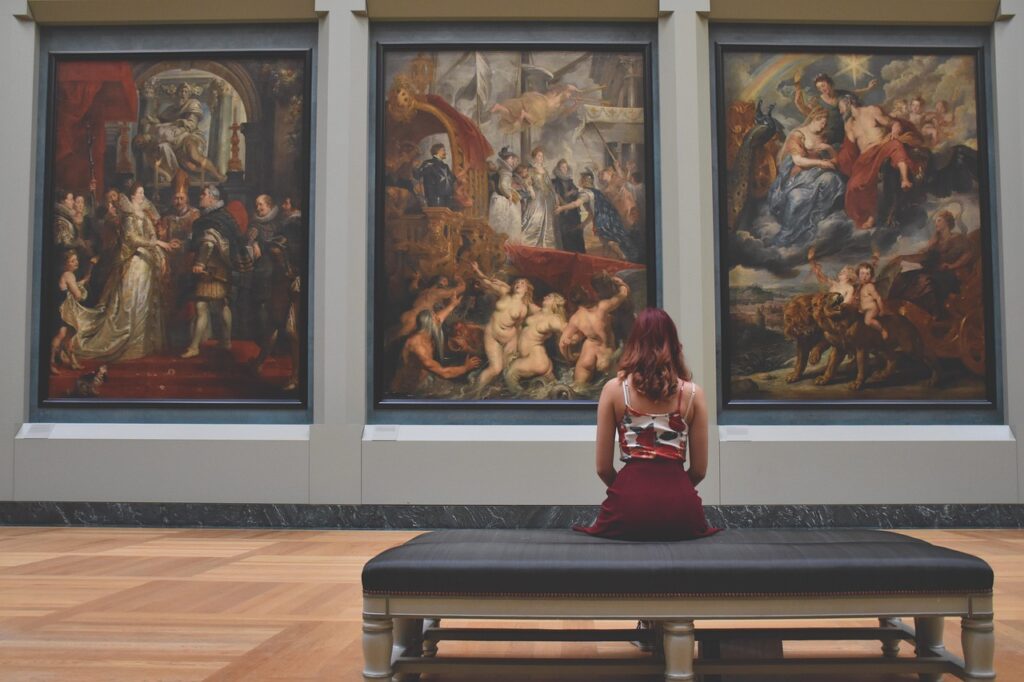
For rainy days, plan museum visits: the Royal Museums of Fine Arts of Belgium (Royal Museums of Fine Arts of Belgium, Rue de la Régence 3, 1000 Brussels) are usually open from 10:00 to 17:00; adult price roughly €15–€20 depending on temporary exhibitions. The Belgian Comic Strip Center (Belgian Comic Strip Center, Rue des Sables 20, 1000 Brussels) is a great alternative for families and comic fans; hours: Tuesday–Sunday 10:00–18:00, adult admission about €12.
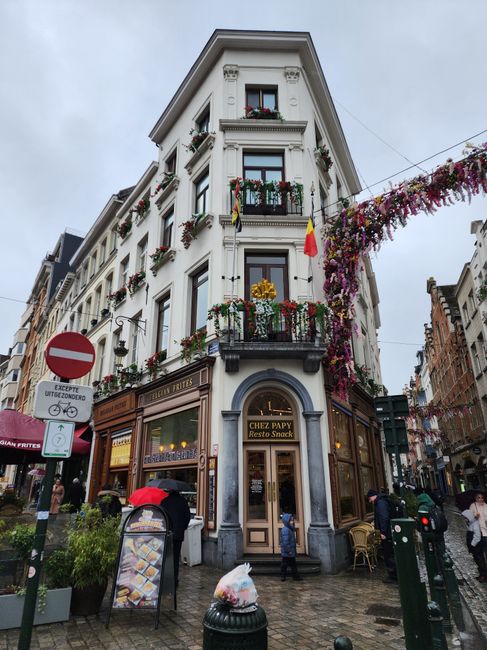
Local practical tips: bring a lightweight waterproof windbreaker and shoes that tolerate damp cobbles — the Grand-Place cobbles (Grand-Place, 1000 Brussels) get slippery after rain. For a cozy coffee after a stroll, try Café Belga (Place Eugène Flagey 18, 1050 Ixelles): open 07:30–02:00, filter coffee ≈ €3.50 and a local beer ≈ €4.50. Check the forecast the evening before to choose between an outdoor visit (Brussels Park, Royal Park, Rue Royale) or a museum morning followed by lunch in a brasserie.
Summer in Brussels: mild warmth, festivals and lively terraces
Summer (June to August) in Brussels is generally mild: average highs range from 18°C to 25°C, with occasional spikes above 30°C during heatwaves. It’s high tourist season, packed with festivals (Brussels Summer Festival, events in the Grand-Place) and lots of terrace life in neighborhoods like the Sablon, Sainte-Catherine and Ixelles.
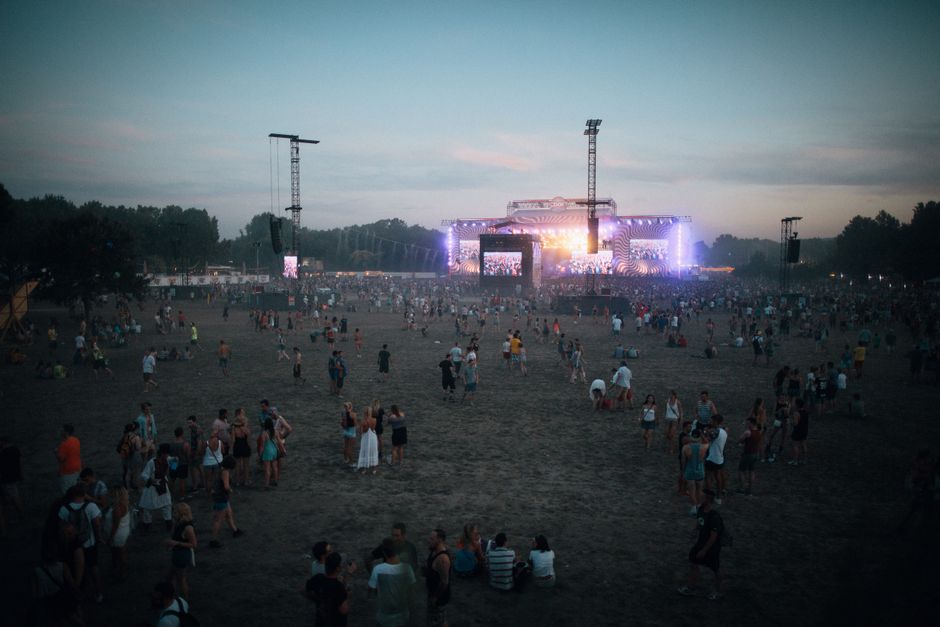
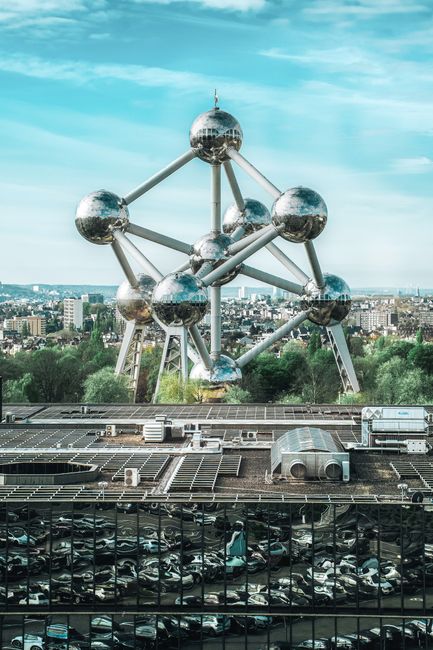
Summer’s perks are obvious: long days, festival atmosphere, and public gardens perfect for picnics (Brussels Park, Rue Ducale 1, 1000 Brussels — multiple entrances; free). Café and restaurant terraces such as Brasserie de la Villa (Avenue de la Toison d’Or 9, 1050 Ixelles) are great spots to enjoy mussels and fries or carbonnade outdoors; main courses around €15–€25. The Atomium (Atomium, Square de l’Atomium, 1020 Brussels) is very popular; hours: 10:00–18:00, last entry 17:00, adult price roughly €16–€19 depending on exhibition options.
That said, summer has downsides too: crowds and queues at major attractions. To avoid them, start early — the Grand-Place is magical at dawn — or book skip-the-line tickets for museums and the Atomium. Afternoons are perfect for indoor activities like the Magritte Museum (Musée Magritte Museum, Rue de la Régence 3, 1000 Brussels — often part of the Royal Museums; check current exhibitions). Magritte Museum admission is around €10–€12; typical hours 10:00–17:00.
Practical tips: carry a reusable water bottle (there are fountains in some parks), sunscreen and a hat for sunny days. Afternoon thunderstorms can form quickly — when they do, head to cafés and museums. For a local experience, visit the Midi Market (Marché du Midi, Place Bara, 1060 Brussels) on Sunday morning for local produce and specialties; open 06:00–14:00, free to enter. If you plan to enjoy festivals, book accommodation and tickets months in advance — prices rise through July and August.
Autumn and winter: colors, Christmas markets and short days
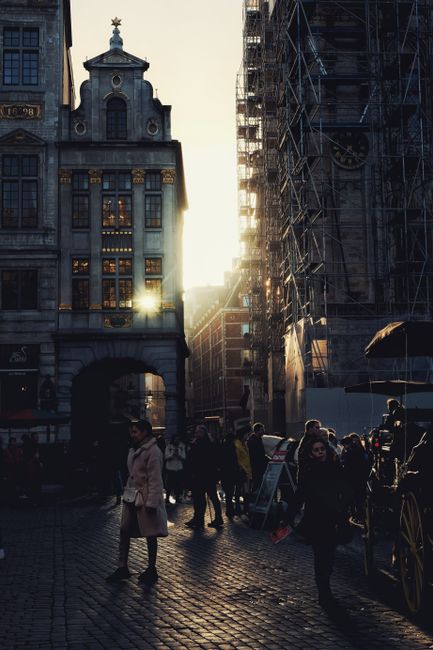
Autumn (September to November) turns Brussels into a patchwork of warm hues. Temperatures drop gradually (about 21°C in September down to 6°C in November) and rainfall becomes slightly more frequent. It’s a great season for photographers and architecture lovers: low-angle light highlights the façades of the Grand-Place (Grand-Place, 1000 Brussels) and the Royal Quarter.
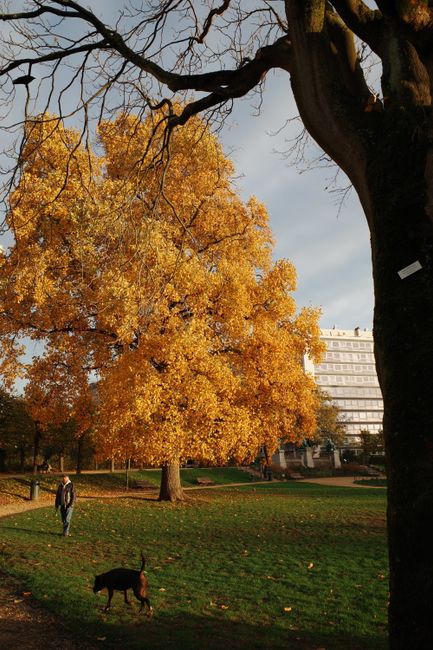
Autumn activities include visiting major museums (Royal Museums of Fine Arts, Horta Museum — Victor Horta House & Studio, Avenue Louise 23, 1050 Ixelles; usual hours and prices around 10:00–18:00, admission ≈ €8–€12), beer tastings in historic bars, and sheltered walks through covered arcades. The city center also hosts indoor markets and seasonal food fairs.
Winter (December to February) brings cool temperatures (on average 0–6°C), occasional nighttime frost, and precipitation as rain or the occasional snow. The festive season lights up Brussels: the Winter Wonders Christmas market spreads around the Grand-Place, Sainte-Catherine and the Mont des Arts. General location: Winter Wonders around the Grand-Place, 1000 Brussels; stall hours vary but are generally 11:00–22:00, and the paid ice rink is roughly €6–€10.
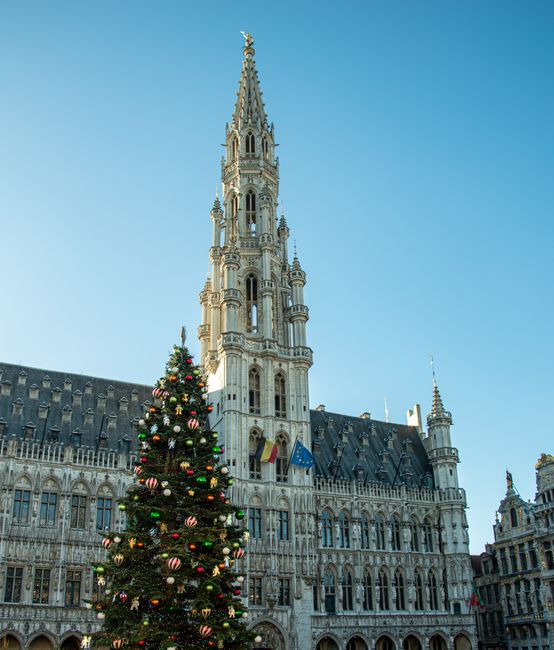
During short winter days, favor indoor visits: the Belgian Comic Strip Center, the Royal Museums, the Museum of the City of Brussels (Museum of the City of Brussels, Maison du Roi, Grand-Place, 1000 Brussels — usually 10:00–17:00, admission ≈ €8–€10) and the Parlamentarium (Parliamentarium, Place du Luxembourg 2, 1050 Ixelles, open 09:00–18:00, free entry). To warm up after a winter stroll, places like Maison Dandoy (Rue Charles Buls 14, 1000 Brussels) serve speculoos and waffles: waffle ≈ €3–€5, open 09:00–19:00.
Local tips: pack layers, a windproof waterproof coat and gloves. Public transport (STIB/MIVB) is the most practical way to avoid bad weather; a day pass costs about €7.50 (indicative). Book your indoor visits in advance if you come during school holidays or the end-of-year festivities, as attendance increases noticeably.
Practical strategies to pick the best time and tailor your itinerary
The “best” time to visit Brussels really depends on what matters to you: if you want terraces and festivals, aim for June to September; for lower accommodation costs and autumn colors, pick September–October; for fewer crowds and calm cultural outings, spring and autumn are excellent choices. Here are practical, concrete strategies to plan your trip with weather-based alternatives.
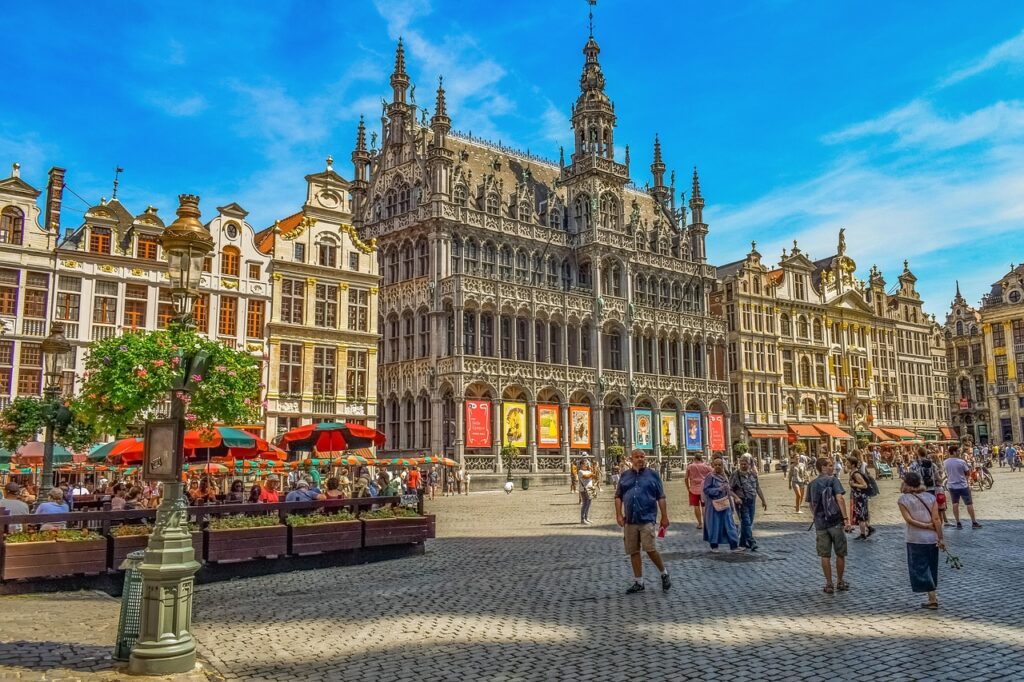
1) Sunny-day itinerary: start at the Grand-Place (Grand-Place, 1000 Brussels) early in the morning, head up to the Mont des Arts (Mont des Arts, 1000 Brussels) for the view, then walk toward the Sablon for lunch at Noordzee Mer du Nord (Noordzee Mer du Nord, Place Sainte-Catherine 1, 1000 Brussels) — a seafood counter, typical dish price ≈ €12–€20, open 11:30–21:30. In the afternoon, explore the Royal Museums of Fine Arts (Rue de la Régence 3) or wander around Ixelles.
2) Rainy-day itinerary: morning at the Magritte Museum (Rue de la Régence 3, hours 10:00–17:00, admission ≈ €10–€12), lunch in the Galeries Royales Saint-Hubert (Galeries Royales Saint-Hubert, Galerie du Roi 5, 1000 Brussels) then the afternoon at the Belgian Comic Strip Center (Rue des Sables 20). Finish with dinner in a covered brasserie like Brasserie Horta (Rue du Lombard 18A, 1000 Brussels); main dish ≈ €16–€22.
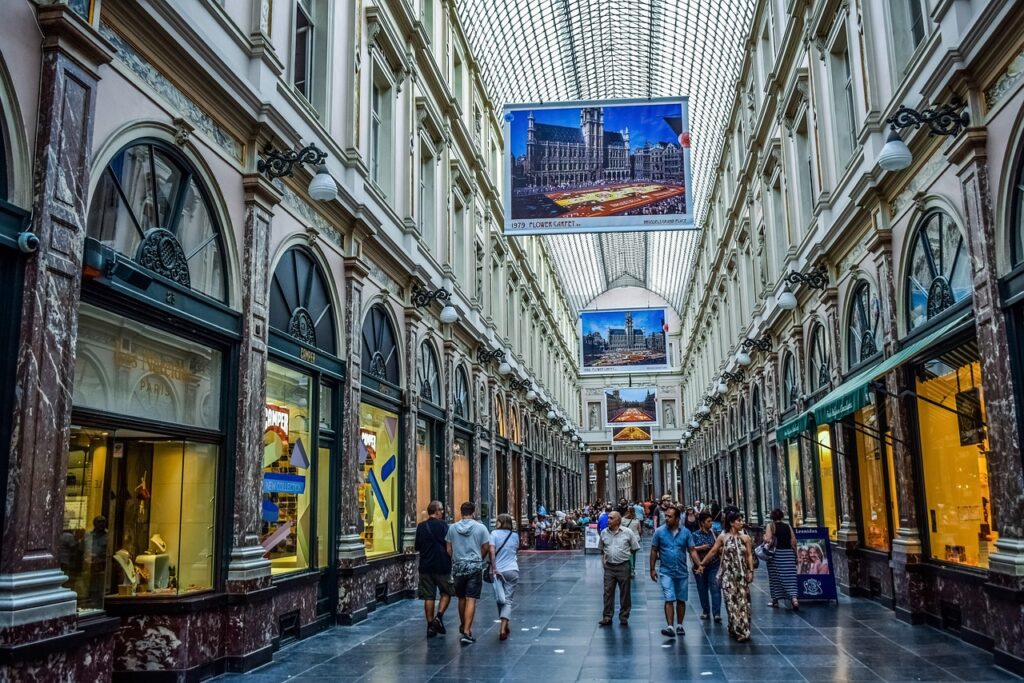
3) Heatwave alternatives: favor mornings for outdoor sightseeing and spend the hottest hours indoors (museums, shopping arcades). Green spaces like Brussels Park (Brussels Park/Warandepark, Rue Ducale 1, 1000 Brussels) provide welcome shade; snacks and drinks are available from park kiosks.
Transport and budget tips: STIB/MIVB offers day passes and electronic tickets; a single ticket costs about €2.10 (indicative) and is valid for one hour. Taxis and ride-hailing apps are common but pricier; to save money, use public transport and walk around the compact center. Museum prices listed are indicative and may change for temporary exhibitions or promotions; check official sites before booking.
Local tips, safety and what to wear
To get the most out of Brussels, follow a few simple local rules. Layers are king: bring a light waterproof jacket, a warm sweater and a scarf no matter the month, because temperatures can drop quickly in the evening. Closed, non-slip shoes are recommended for cobbles and wet sidewalks. In winter, a proper coat and gloves are essential.
Safety: Brussels is a safe European city but, like any capital, it requires vigilance in busy tourist zones — keep valuables secure and avoid leaving bags or backpacks open. Areas around Brussels-South Station (Gare de Bruxelles-Midi, Rue de France 3, 1060 Brussels) and some nighttime outskirts can be livelier; stick to well-lit areas and public transport in the evening.
Shopping and services: store hours vary — most shops open 10:00–18:00 on weekdays and close earlier on Sundays. On-call pharmacies are listed on the City of Brussels website. For a weather-proof backup plan, remember that the covered arcades (Galeries Royales Saint-Hubert, Galerie du Roi 5, 1000 Brussels) are perfect for sheltering from the rain while shopping or tasting pralines.
Finally, stay flexible: check the forecast the night before and the morning of, anticipate busy periods (weekends, public holidays, international events) and book museums and major attractions online. With these simple precautions and a good pair of shoes, Brussels is enjoyable year-round, offering memorable experiences in every season.
Conclusion: picking the right time to visit Brussels and enjoying the climate
In short, Brussels offers a spectrum of experiences by season: a floral, changeable spring perfect for walkers; a moderate, festive summer ideal for terraces and events; a photogenic autumn full of color and exhibitions; and an intimate winter where Christmas markets and museums become cozy refuges. Each season has its benefits and constraints: unexpected weather, tourist crowds or shorter days, but also moments of calm, exceptional light and festivals.
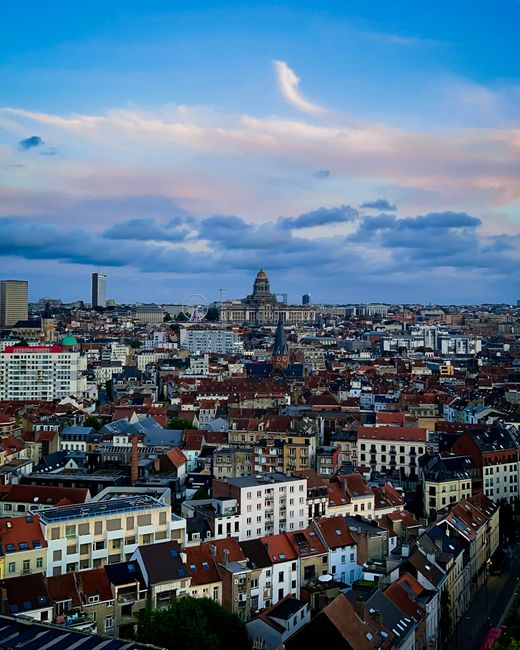
To plan, base your choice on priorities: culture and calm (spring and autumn), outdoor life and festivities (summer), festive atmosphere and Christmas markets (December). Whatever the season, pack layers, a waterproof, comfortable shoes, book ahead for summer and holidays, and have indoor alternatives ready for rainy days (Royal Museums of Fine Arts, Belgian Comic Strip Center, Magritte Museum). The addresses mentioned in this guide — Grand-Place, Royal Museums (Rue de la Régence 3), Atomium (Square de l’Atomium, 1020 Brussels), Belgian Comic Strip Center (Rue des Sables 20), Parc du Cinquantenaire, Mont des Arts, and others — will help you build a solid itinerary regardless of the weather.
Ultimately, visiting Brussels means embracing its variable climate: a compact umbrella and plenty of curiosity will let you fully enjoy its cafés, museums, markets and parks. Plan smartly, mix outdoor and indoor activities to match the forecast, and be open to the city’s micro-seasons — they’re often the most authentic charm of the Belgian capital. Safe travels and enjoy the colors, flavors and culture of Brussels!