





Introduction — A Deep Dive into Brussels’ Art Nouveau Facades and Historic Landmarks
Brussels is a city where history pops up around every corner. From the monumental buildings of the Grand-Place to the Art Nouveau townhouses that line the avenues and residential streets, Belgium’s capital offers an architectural route that’s hard to match in Europe. This guide is aimed at curious travelers, detail-hunting photographers, and leisurely walkers who want to understand the historical layers that shaped the city. You’ll find precise addresses, practical opening hours, up-to-date prices in euros, and local tips to help you make the most of these urban treasures.
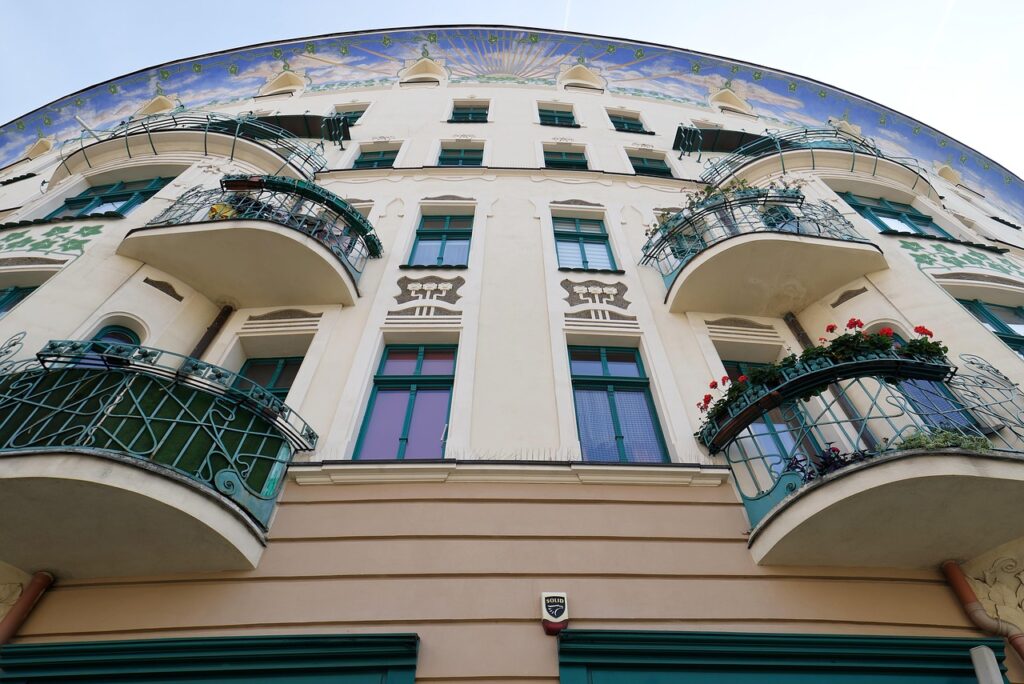
Brussels’ Art Nouveau — championed by architects like Victor Horta, Paul Hankar, Gustave Strauven and others — is known for its decorative freedom, flowing lines, stained-glass features and the blending of decorative arts with architecture. More than a style, Art Nouveau changed how buildings were conceived: the facade became a stage, wrought iron told stories, and glass was treated as a full-fledged material that brings light into the composition. Brussels still keeps some of the best-preserved showcase houses from this movement, many converted into museums or visible straight from the street.
At the same time, Brussels’ historic landmarks — from the UNESCO-listed Grand-Place to the futuristic Atomium — reflect very different eras: Gothic, Baroque, Classical, and 20th-century modernism. Linking these periods together highlights the complexity of an urban fabric shaped by redevelopment, reconstruction and a relatively recent push for heritage preservation.
This general guide is organized so you can build your own route: museum visits (like the Horta Museum), facade-to-facade strolls (Avenue Louise, Saint-Gilles and Ixelles neighborhoods), and must-see squares and monuments (Grand-Place, City Hall, Royal Palace, Atomium). Each section includes practical info (full addresses, prices, opening times), immersive descriptions to set expectations, and local tips for avoiding crowds, photographing details and understanding architectural terminology.
You’ll also find concrete recommendations to round out your visit: cafés and restaurants nearby, public transport options (metro, tram, bus), and tricks for shooting in low-angle light or for early-morning visits in quiet residential areas. Whether you have half a day or three, this guide will help you prioritize and appreciate Brussels’ rich heritage.
1. The Historic Core: Grand-Place, City Hall and Surroundings (over 250 words)
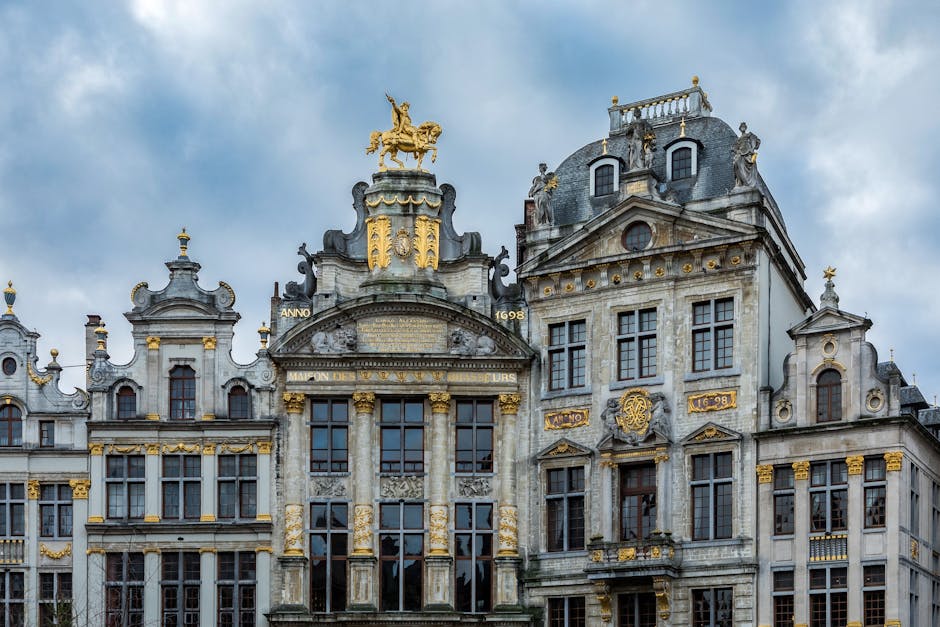
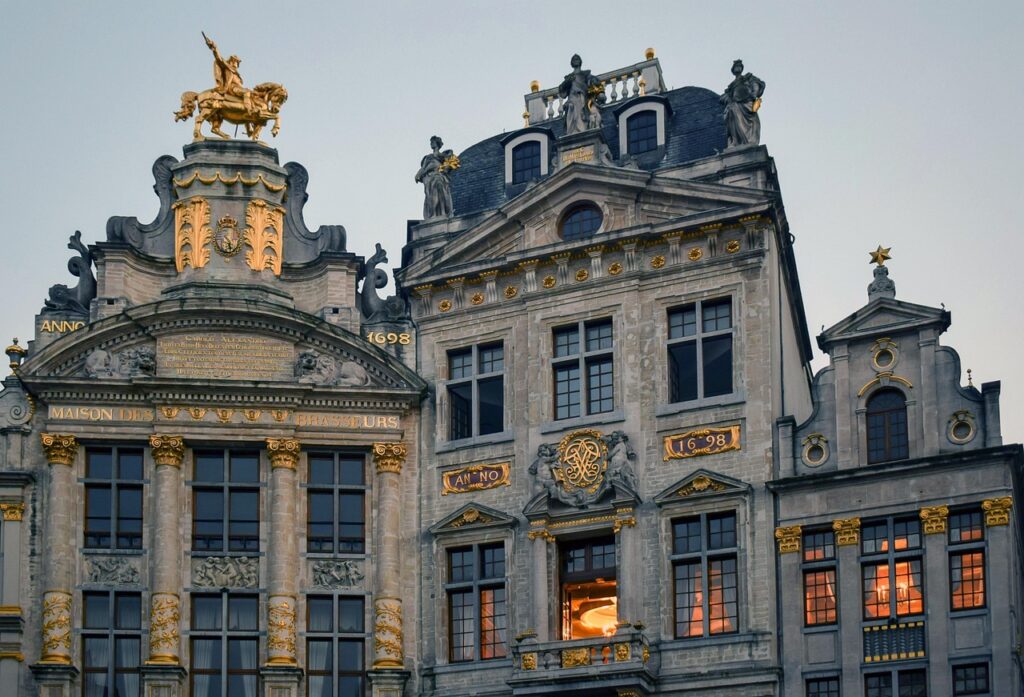
Start your route in the historic center: the Grand-Place (Grote Markt), Brussels’ administrative and festive heart, is unmissable. Address: Grand-Place, 1000 Brussels. A UNESCO World Heritage site, the square is famed for a cohesive ensemble of richly decorated façades, mainly dating from the 17th century but remodeled by successive architects. The Gothic silhouette of the City Hall draws the eye: address City Hall, Grand-Place 1, 1000 Brussels. The City Hall is impressive not only from the outside; it offers guided tours at certain times (check the local schedule) and houses lavishly decorated rooms.
Practical info: access to the Grand-Place is free. Guided tours of the City Hall typically cost around €6–€10 per person (rates vary by season and special events). Hours: the square is accessible 24/7 but nearby shops often close between 6pm and 8pm; the weekly flower market usually takes place on weekend mornings, and spectacular light shows are organized for seasonal events (end-of-year celebrations, Ommegang festival).
Immersive description: the Grand-Place is a stone stage where gilding, allegorical sculptures and mansard roofs tell the city’s commercial and political story. Guilds left behind highly ornamented façades decorated with trade symbols. The cobbles click underfoot; as light fades, the sculpted reliefs become more pronounced. It’s a great spot for a wide-angle panorama in the late afternoon, when side light highlights friezes and cornices.
Local tips: arrive early (around 8–9am) to enjoy a quieter square without tourist coaches. Avoid the central area around Manneken Pis during peak tourist hours (see below) and favor the adjacent arcades — the Royal Saint-Hubert Galleries — for historic cafés and artisan shops. For an official guided visit, book through the Brussels Tourist Office (Visit.Brussels) or buy combined tickets to save time.
2. Art Nouveau Walk: Horta Museum, Hôtel Solvay, Cauchie House (over 250 words)
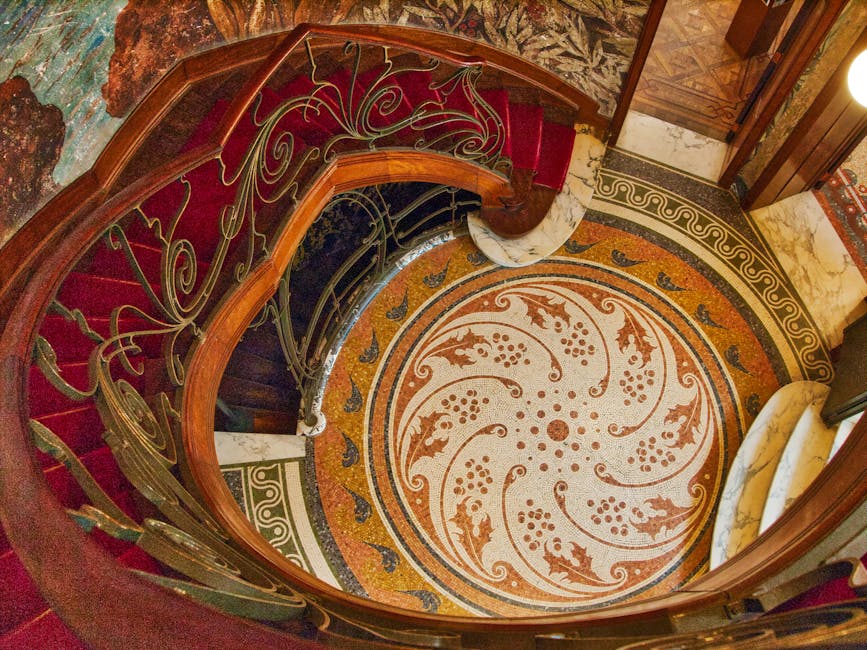
To really get Art Nouveau in Brussels, nothing beats a visit to the Horta Museum and the houses designed by Victor Horta and his contemporaries. Horta Museum — address: Rue Américaine 25, 1060 Saint-Gilles — is located in Victor Horta’s private town house. Prices: full fare around €10, reduced €6–€8 (students, seniors, groups); occasional free entry for special events. Hours: generally open Tuesday to Sunday, 10:00–17:00; closed on Mondays (confirm before you go). The museum preserves original elements: mosaics, ironwork, stained glass and the interior layout that reflect Horta’s holistic vision.
Immersive description: stepping over the threshold of the Horta Museum is like entering a space where light is a sculpting tool. Curved staircases, iron railings that wind like vines, and the interplay of stained glass create an almost organic atmosphere. The abundance of detail — door handles, wooden insets, stylized floral motifs — shows a desire for a total art where architecture embraces furniture and decorative arts.
Continue down Avenue Louise to admire Hôtel Solvay, address: Avenue Louise 224, 1050 Ixelles. Designed by Victor Horta for the Solvay family, Hôtel Solvay stands out for its sculptural façades and sumptuous interiors. Visits are usually by reservation and can cost around €12–€15, depending on exhibitions and season. Hours: guided tours by appointment, often available in the mornings and afternoons.
Another standout stop is the Cauchie House, address: Rue des Francs 5, 1000 Brussels. Designed by Paul Cauchie, the house is instantly recognizable for its painted façade and polychrome ornaments. It’s visible from the street and is a fine example of painting integrated into architecture.
Local tips: pair the Horta Museum and Hôtel Solvay into a half-day itinerary if you book ahead. Allow at least an hour for the Horta Museum to soak in the details, and two hours for Hôtel Solvay if an interior visit is available. For photography, morning light (9–11am) works well for Avenue Louise facades; bring a wide-angle lens for the Horta Museum interiors and a telephoto to isolate decorative motifs on the exteriors.
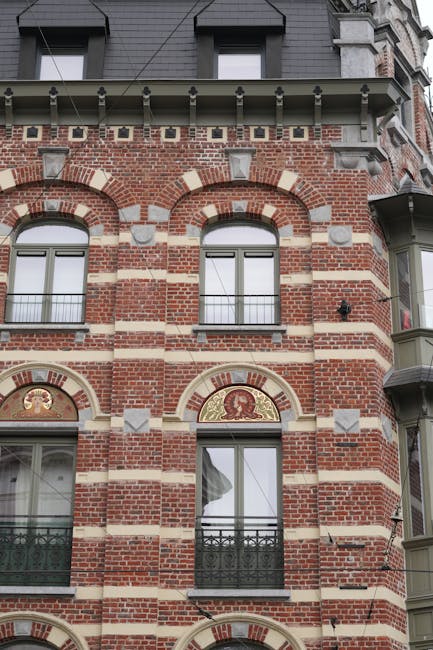
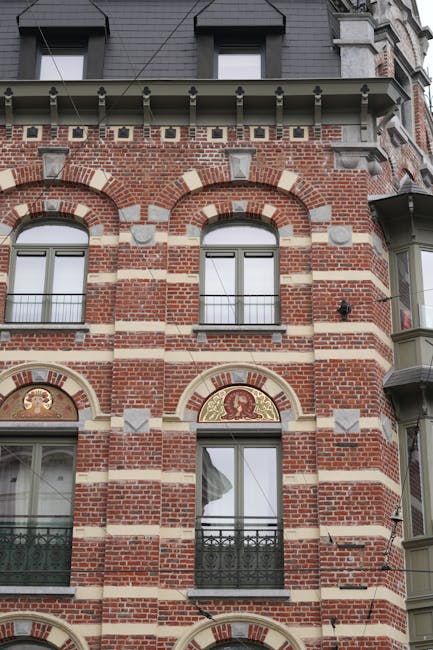
3. Residential Neighborhoods and Lesser-Known Facades: Saint-Gilles, Ixelles, Schaerbeek (over 250 words)
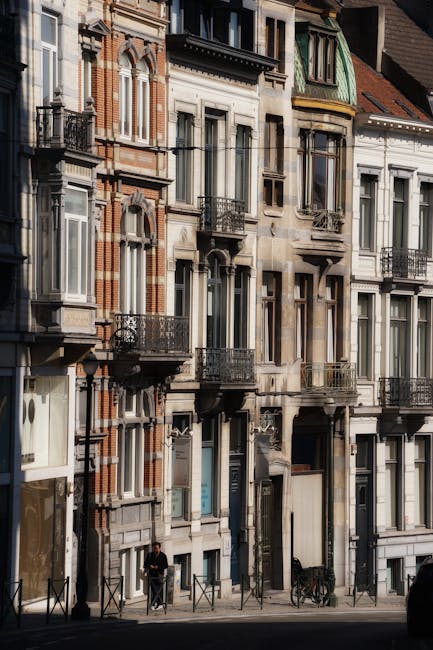
Beyond the major monuments, Brussels hides Art Nouveau and Art Deco gems in its residential neighborhoods. The communes of Saint-Gilles, Ixelles and Schaerbeek offer a fascinating walk where every door, balcony and lintel tells a chapter of the city’s story. These areas are ideal for exploring on foot, by bike or by tram.
Start in Saint-Gilles: wander around Place Stéphanie and Avenue Louise, then head into the side streets where several townhouses and Art Nouveau façades can be found. Example starting points: stroll from Parvis Sainte-Gudule toward Avenue Louise, but favour quieter streets like Rue du Fort and Rue Américaine (near the Horta Museum). Many private houses here display bow-windows, ironwork and mosaics.
In Ixelles, the Ixelles Cemetery area and chaussée d’Ixelles concentrate late 19th- and early 20th-century apartment buildings. A practical starting address: Place Eugène Flagey, 1050 Ixelles, then branch out into the surrounding avenues and side streets. You’ll see façades that combine Art Nouveau with eclectic influences, many of them recently restored.
Schaerbeek deserves a special mention for the richness of its villas and Art Nouveau houses. The commune offers thematic circuits and informative plaques on notable buildings. A useful reference: Rue de la Senne / Molenbeek-Saint-Jean (border areas vary); better yet, pick up Schaerbeek’s heritage map at the town hall. Walks in Schaerbeek reveal bolder architectural façades, including works by Gustave Strauven (for example, Maison Saint-Cyr) noted for their exuberant decoration and virtuoso use of wrought iron.
Local tips: wear comfortable shoes and bring a printed map or an offline GPS route — the maze of small streets can be surprising. For a deeper dive, check guided routes offered by municipal cultural offices; these often include access to private gardens or inner courtyards during heritage days. Best times for photography are early morning or late afternoon; midday light tends to flatten decorative details. And remember to respect private residences: interiors aren’t always open, even when the façades are remarkable.
4. Iconic Modern and Historic Landmarks: Atomium, Royal Palace, Manneken Pis (over 250 words)
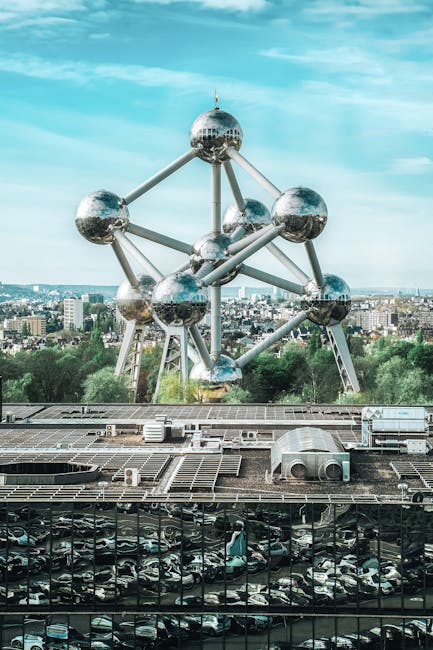
Brussels presents an exciting contrast between older heritage and 20th-century icons. The Atomium is one of the city’s major contemporary landmarks: address Square de l’Atomium, 1020 Brussels. Built for the 1958 World’s Fair, it represents an enlarged, visitable model of an iron crystal unit. Prices: adult tickets are usually around €16, reduced fares for youth and seniors (≈€10–€12), and discounted rates for children (check the official website). Hours: typically 10:00–18:00 in the low season, with extended hours in summer; last entries are about 30–45 minutes before closing.
Immersive description: visiting the Atomium is stepping into a retro-futuristic world where polished steel and mirrored spheres create urban reflections. From the top sphere you’ll get panoramic views over Brussels and the surrounding countryside on clear days. Temporary exhibitions inside often explore design, science and post-war history.
Closer to the center, the Royal Palace (address: Place des Palais, 1000 Brussels) serves as the King of Belgium’s official residence for ceremonies and is open to the public in summer (seasonal visits). Access to the gardens and the façade is generally free; interior tours offered in July–August can be charged (around €4–€6). Opening times vary by season.
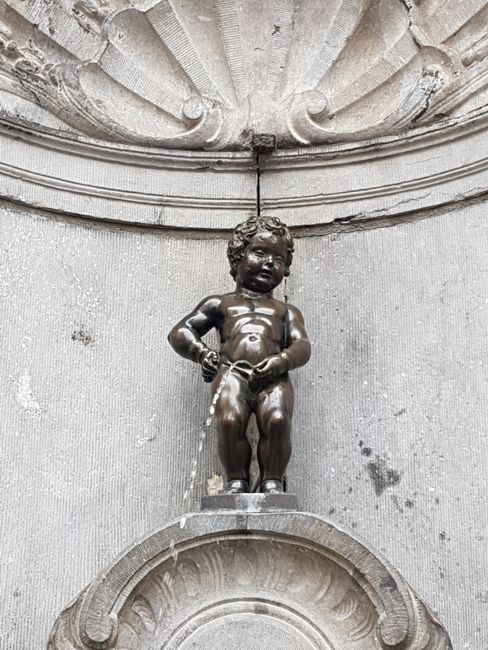
The Manneken Pis is a beloved quirky emblem of Brussels. Address: Rue de l’Étuve 46, 1000 Brussels. The statue is free to view from the street, but be prepared for crowds during the day. The Manneken Pis is often dressed in costumes; you can check the costume calendar at the City Museum or online.
Local tips: to avoid crowds at the Atomium, pick a weekday morning. Combine an early Grand-Place visit with Manneken Pis for photos without long lines. For the Royal Palace, plan for a summer visit and check the official website for exact interior opening dates. Buy Atomium tickets online to skip queues and look for combo tickets (Atomium + Mini-Europe) if you plan to visit several attractions.
Additional practical information
- Maps and tickets: pick up a tourist map (Visit.Brussels) or download the official app to plan your journeys. Museums (Horta Museum, Atomium) often accept online reservations; prioritize this option in high season.
- Transport: the STIB network (metro, tram, bus) is extensive. A single ticket costs about €2.50 (check current fares); 24h/48h passes are available for visitors. Many Art Nouveau façades are reachable via tram lines 81/82/92 depending on the neighborhood.
- Best seasons: spring and autumn offer flattering light and pleasant temperatures. Heritage Days (September) sometimes open private interiors or special guided tours.
- Accessibility: some buildings are partially accessible for visitors with reduced mobility; contact sites in advance to arrange suitable access.
Conclusion — Planning Your Route and Final Tips (at least 200 words)
Brussels rewards both slow-looking at an openwork iron balcony and walking along grand boulevards. This guide offered a mixed route: from the historic center and the Grand-Place to emblematic Art Nouveau houses (Horta Museum, Hôtel Solvay, Cauchie House), through quieter residential neighborhoods (Saint-Gilles, Ixelles, Schaerbeek) and to contemporary landmarks (Atomium). Each stop reveals different aspects of the city: carved ornamentation, meticulous decorative detail, formal experimentation and the public and private uses of buildings.
To get the most from your visit, plan your stops according to light and crowd levels. Start early in the historic center for unobstructed Grand-Place photos. Book tickets for the Horta Museum and the Atomium in advance when possible. Leave time to wander in residential neighborhoods — you’ll discover surprising façades and authentic cafés for a break. If you have a day, combine the city center with an excursion to Avenue Louise and Saint-Gilles; with two days, add Schaerbeek and Ixelles for a fuller Art Nouveau picture.
Finally, behave respectfully: keep noise down in residential areas, don’t enter private courtyards without permission, and favor guided tours to access rare interiors. To extend the experience, check temporary exhibitions in local museums and online archives that document recent restorations and discoveries. Brussels is both intimate and grand; let the façades guide you, but also pay attention to the small surprises: a plaque, an inscription, a period shop window. Enjoy your architectural journey — and may your footsteps lead you to the details that make this European capital so rich.