




Introduction — Renewing your residence permit in Brussels: context, why it matters and first steps
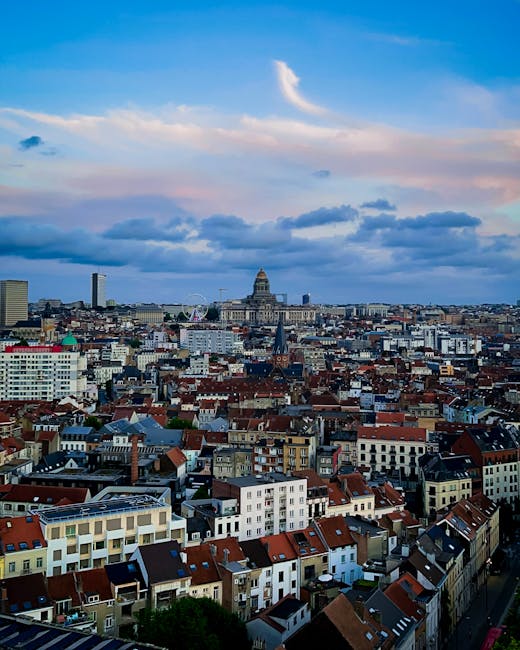
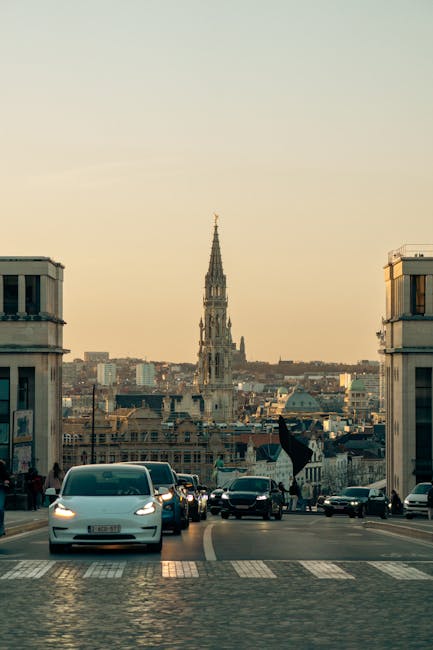
Renewing your residence permit in Brussels is an essential administrative procedure for anyone foreign who wants to extend their stay in Belgium. The Belgian capital is multicultural, made up of 19 municipalities (communes / gemeenten), each providing civil and foreigner services. Knowing where to go, which documents to prepare, what it costs and how long it might take is crucial to avoid problems: loss of work rights, inability to travel, or late regularization.
This detailed guide is aimed at anyone living in the Brussels-Capital Region, whether you are a student, an employee, a self-employed worker or a family member. It explains the general steps, useful addresses in Brussels, typical office hours, indicative costs and practical tips to save time at your appointment. It also covers local specifics: how online booking works, how to prepare certified translations, and what alternatives exist in emergencies.
The renewal procedure mainly takes place at the municipal administration (maison communale / gemeentehuis) of your registered address. The municipality checks your right of residence, collects biometric data if needed, and sends or issues the new card. For some permit types (for example certain work permits or international protection statuses), additional steps with the Immigration Office (Office des Étrangers) or the Federal Public Service Interior may be required.
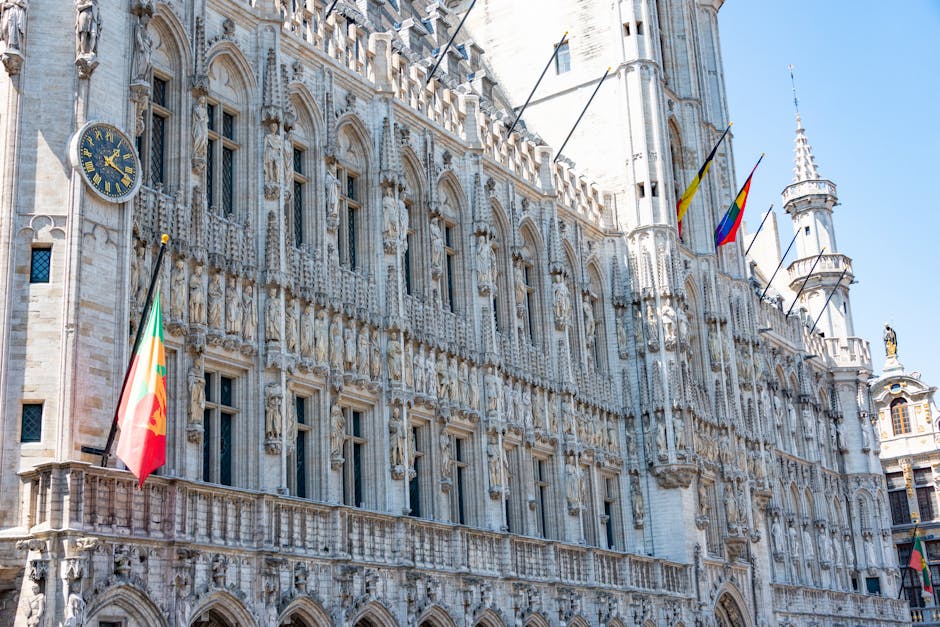
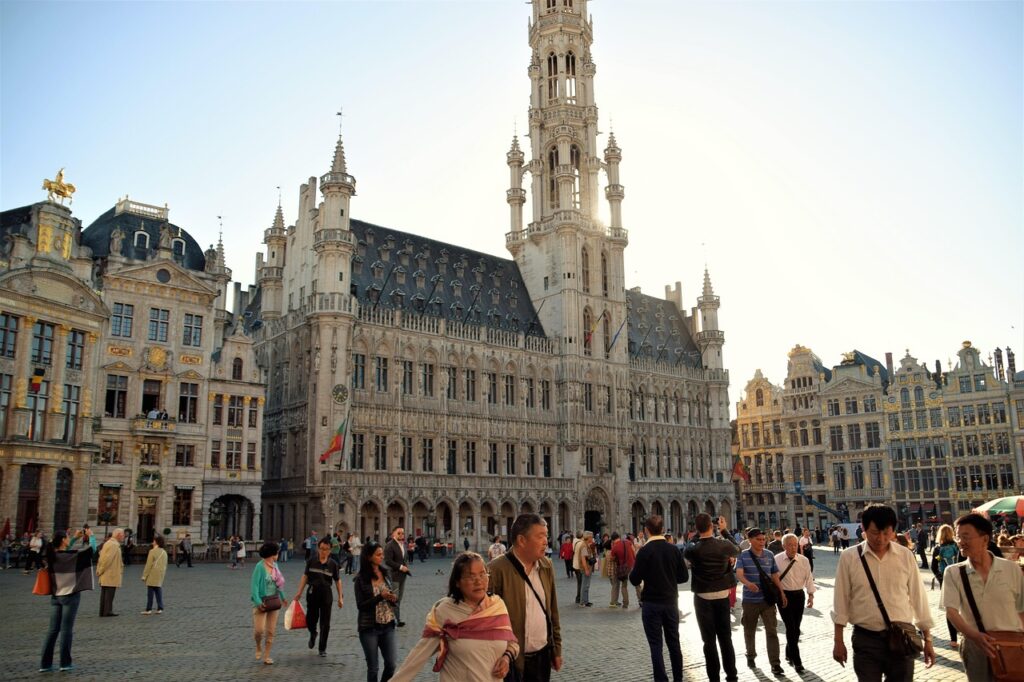
In this guide you will find practical information: full addresses such as the Maison du Roi / Brussels City Hall at Grand-Place 1, 1000 Brussels for matters linked to the Brussels-City municipality; an example of a national service, the Immigration Office (address given below), and examples of costs like issuance fees and fingerprinting charges. Tips to simplify your visit (arrive early, bring duplicate documents, pay by card) and solutions for delays or lost cards complete the overview.
1) Where to go to renew your residence permit: main administrations and addresses
Most residence permit renewals in Brussels are handled by the municipal administration of the municipality where you live. Here are several important addresses and places to know. Note that some specific procedures may involve federal authorities.
- Brussels City municipal administration (Maison du Roi / City Hall) — Grand-Place 1, 1000 Brussels. General opening hours: Monday–Friday 09:00–12:30 and 13:30–16:00. The municipal office handles registration of renewal requests for residents of the Brussels-City municipality. For initial information, it is recommended to check the municipality’s website or call the counter before visiting (phone: +32 2 279 23 11).
- Immigration Office (Office des Étrangers) — Rue du Progrès 80, 1030 Schaerbeek. Hours: generally by appointment, Monday–Friday 08:30–12:00 and 13:00–15:30. This office manages residence authorizations issued at the federal level and matters related to special statuses (asylum, certain work categories). It is essential to check opening hours and whether an appointment is required on the official website before going.
- Federal Public Service Interior (FPS Interior) — Boulevard du Roi Albert II 8, 1000 Brussels. Hours: central office by appointment, typically 09:00–17:00 on weekdays. The FPS may be involved for legal questions related to residence rights and electronic cards.
- Municipal centers in main municipalities — Examples: Ixelles Municipality, Town Hall, Rue de l’Eglise 1, 1050 Ixelles (hours 09:00–12:00, 13:30–16:30); Saint-Gilles Municipality, Population Service, Rue de la Montagne 4, 1060 Saint-Gilles (hours 08:30–12:30, 13:30–16:00). These addresses are examples; check your exact municipality before going.
Practical tip: most Brussels municipalities operate by appointment for residence matters. Use your municipality’s website or the e-guichet platform to book an appointment and avoid unnecessary waiting. If you are late, you may be moved to the back of the queue — arrive at least 15 minutes early.
2) Required documents, photos, fingerprints and approximate costs
Before you go, prepare a complete file. Municipalities are strict and any omission can result in a postponed appointment. Here are the most frequently requested documents for renewing an ordinary residence permit (electronic card or foreign identity card):
- Application form: provided by the municipality or downloadable from the municipality’s website.
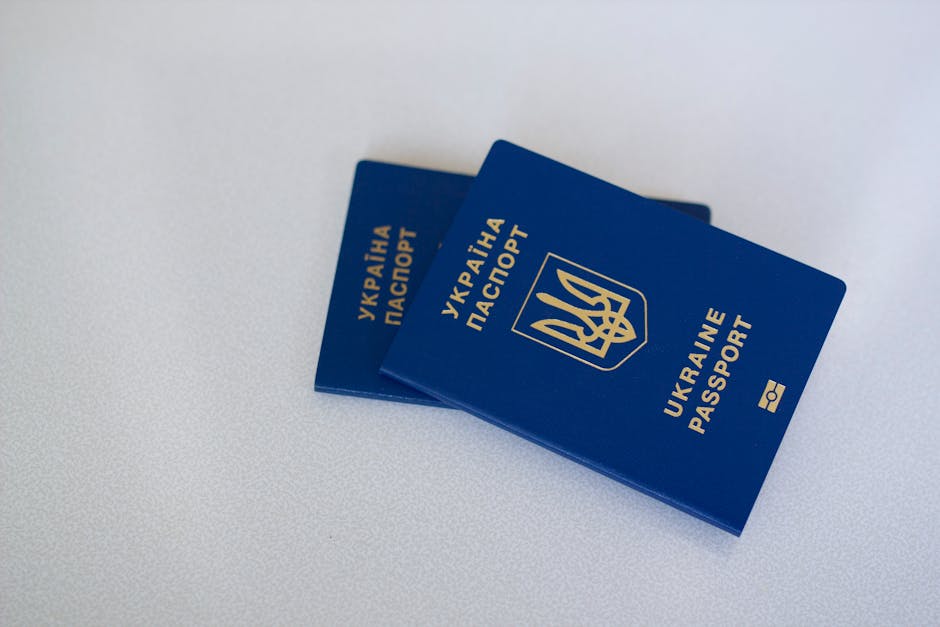
- Original passport and copies of the relevant pages (name, photo, dates).
- Proof of residence : lease agreement, utility bill or proof of address dated within the last 3 months.
- Employment contract or proof of financial means: recent payslips, employer’s certificate, enrollment certificate from an educational institution for students, or proof of self-employed activity (company registration / VAT number).
- ID photos conforming to Belgian standards (35×45 mm, light background); sometimes taken on site.
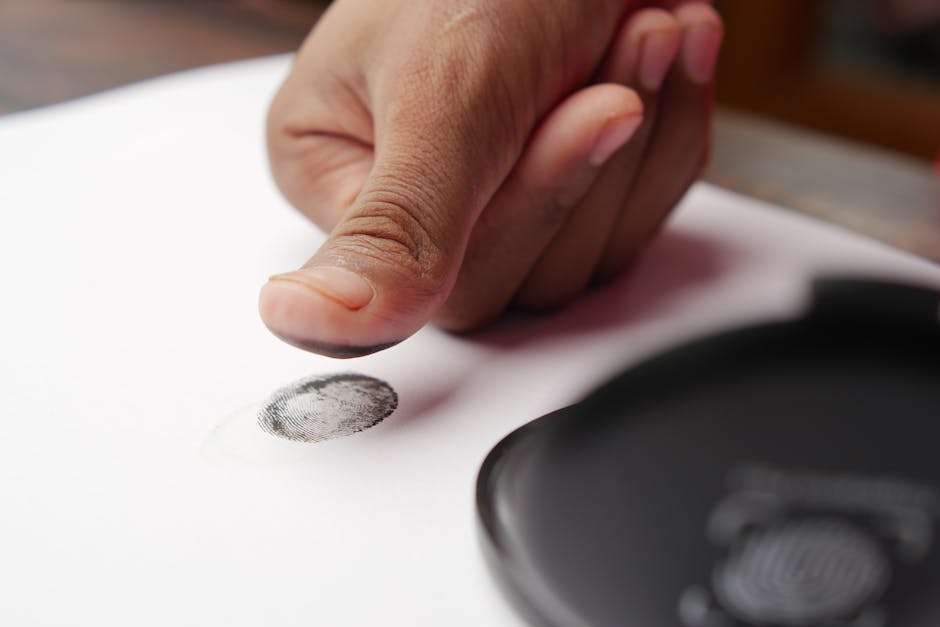
- Fingerprints: for electronic cards, fingerprints are usually taken at the municipal office during the appointment.
Indicative costs (subject to change — check with your municipality):
- Issuance fee for an electronic card (residence card): around €56.00 — average price reported by several municipalities.
- Administrative fees for duplicates or urgent renewal: variable, typically between €10.00 and €200.00 depending on the procedure.
- ID photo taken at the counter: between €8.00 and €15.00 if available on site.
Fingerprinting and biometric photography are mandatory steps for electronic cards. Some municipalities accept card payment only; others take cash. Be sure to check accepted payment methods and keep clear proof of payment (receipt).
3) Timelines, tracking your application and what to do in case of emergency or delay
Processing times vary by municipality, the type of permit and whether additional checks are needed. Generally, expect:
- Standard administrative timeline: production and delivery of an electronic card can take between 4 and 8 weeks after fingerprints are taken at the municipality.
- Urgent cases: if your card is expired or lost, the municipality may issue a temporary document (residence attestation) to allow you to work or travel under conditions; fees may be higher and issuance faster (a few days to two weeks).
- Additional checks: if the file is incomplete or requires federal verification, the timeline can be extended (2 to 6 months for complex cases). The Immigration Office may intervene for specific situations.
Tracking your file: the municipality usually gives you a receipt with a tracking number. Some administrations offer online tracking or SMS/email notification when the card is ready. Keep this receipt: it is required to collect the card in person, often along with your passport.
What to do in case of delay or problem:
- Contact the counter that registered your file immediately (phone or email shown on the receipt).
- If you have planned travel, ask about issuing a temporary travel document.
- For persistent administrative difficulties, make an appointment at the municipality’s foreigner assistance desk or go to the Immigration Office, Rue du Progrès 80, 1030 Schaerbeek.
4) Local tips, best practices and useful resources in Brussels
Brussels is a dense administrative city: a few local tips make the renewal process much easier.
- Book appointments online: avoid queues by booking via your municipality’s website (e.g. bruxelles.be for the City of Brussels). Slots fill up fast — book at least 4 to 6 weeks ahead in normal times.
- Arrive prepared: duplicate photocopies, originals, certified translations if needed (in Dutch, French or English depending on the municipality’s official language), and a bank card to pay fees. Municipalities often require documents dated within the last 3 months (bills, attestations).
- Transport and access: most municipal offices are well served by STIB public transport (metro/tram/bus). For example, Brussels City Hall (Grand-Place 1) is reachable via Bourse metro station. Be ready to walk and arrive 15 minutes early for registration.
- Language: Brussels is bilingual (French/Dutch). Municipal staff mostly speak French or Dutch; English is often understood but not guaranteed. Prepare documents in French or call a translator if needed.
- Legal assistance: in case of refusal or complications, local organizations such as Plateforme Citoyenne or Bruxelles Accueil offer free or low-cost advice. There are also lawyers specializing in immigration law in Brussels (fees vary; initial consultations often around €60.00–€150.00).
Useful official resources
– City of Brussels website: https://www.bruxelles.be (check the “population” and “foreigners” sections for forms and appointments).
– Immigration Office: check opening hours and the exact address on the FPS Interior official website.
– Local support platforms (associations and lawyers): search for « aide aux étrangers Bruxelles » for consultation services.
Conclusion — Summary action plan and final recommendations
Renewing your residence permit in Brussels requires preparation, organization and knowing where to go. Start by identifying the municipality responsible for your address, book your appointment as early as possible, and prepare a complete file: application form, passport, proof of residence, proof of means and compliant ID photos. Bring copies and check accepted payment methods. Expect 4 to 8 weeks for a standard electronic card, longer if extra checks are needed.
In case of emergency (lost, expired or stolen card), request a temporary document immediately at your municipal office or contact the Immigration Office (Rue du Progrès 80, 1030 Schaerbeek) to find out about expedited procedures. Always keep the deposit receipt — it serves as proof and helps track the file. If you face an unjustified refusal or delay, reach out to a foreigner support association or consult a specialized lawyer; the capital has several support and legal structures to assist you.
Finally, tailor your preparation to your permit type (work, family, student, self-employed) and regularly check official sites for regulatory updates, as rules and fees can change. One practical tip: keep a digital copy of all your documents (scans or clear photos) so you can quickly send them if further documents are requested. Following these recommendations will maximize your chances of a smooth renewal and let you continue enjoying Brussels — its cultural life, lively neighborhoods like Sablon and Saint-Géry, and its professional opportunities — with peace of mind.