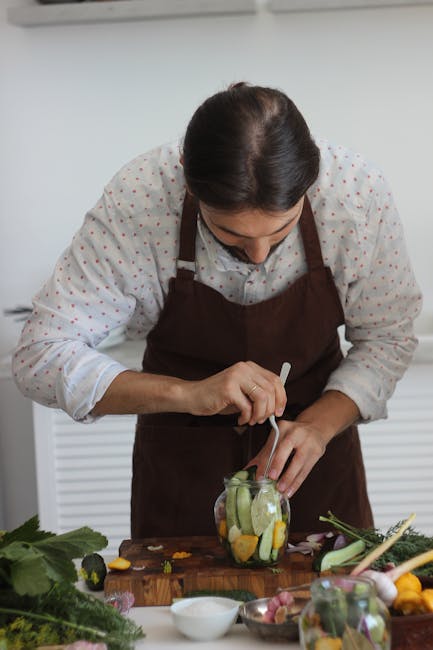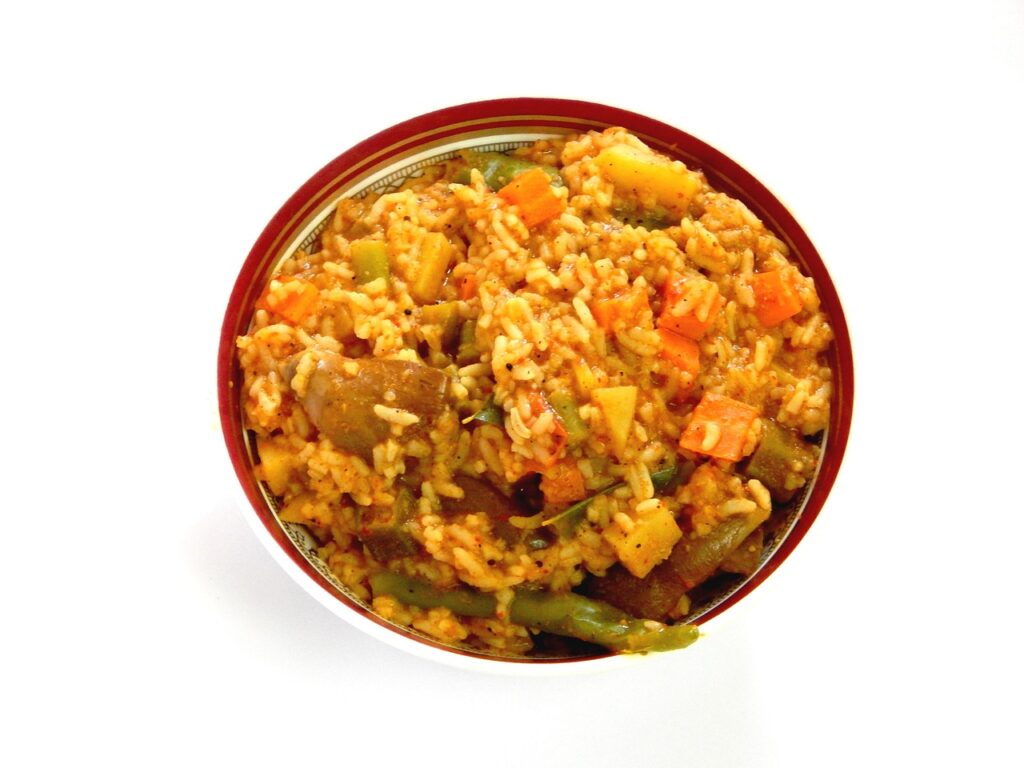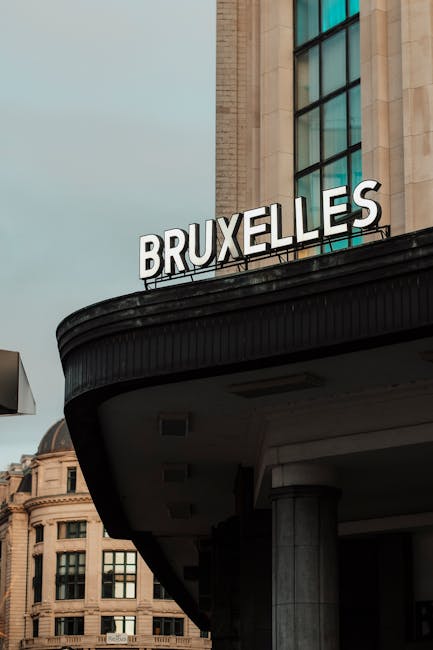






Introduction: Why Brussels in 2026 Is a Vegetarian Capital Worth Exploring
Brussels has always been a culinary mosaic where Belgian traditions, global cuisines and gastronomic innovation collide. By 2026, the Belgian capital no longer offers isolated vegetarian options — it’s seeing a real boom in fully vegetarian and vegan establishments run by chefs, entrepreneurs and community initiatives. These new places don’t just serve creative, eco-friendly menus; they embrace a local approach: short supply chains, zero-waste practices, fermentation, house-baked bread, on-site plant milks and herbs grown in urban gardens.
This article is a practical, immersive guide for curious visitors and locals alike. You’ll find notable new addresses in Brussels for 2026, with concrete details: full names, exact addresses, price ranges in euros, opening hours and in-depth descriptions of each spot. I’ll also share local tips to make the most of your visits (best time slots to avoid crowds, signature dishes to try, gluten-free options, nearby tram/bus stops and transport pointers).
The selection covers several neighborhoods — from the historic center (Pentagon) to quieter suburbs like Ixelles and Saint-Gilles, all the way to the up-and-coming Canal district and Schaerbeek. These places reflect 2026 trends: seasonal menus inspired by Belgian cuisine (vegetable stews, plant-based béchamel), reinventions of classics (plant-based mussels, vegan “carbonade”), and an international offering (fermented Asian dishes, Levantine mezze, South American bowls). You’ll also find cafés and restaurants with lunch deals around €10–14, three-course dinners at €28–38, and gourmet snacks starting from €3–6.
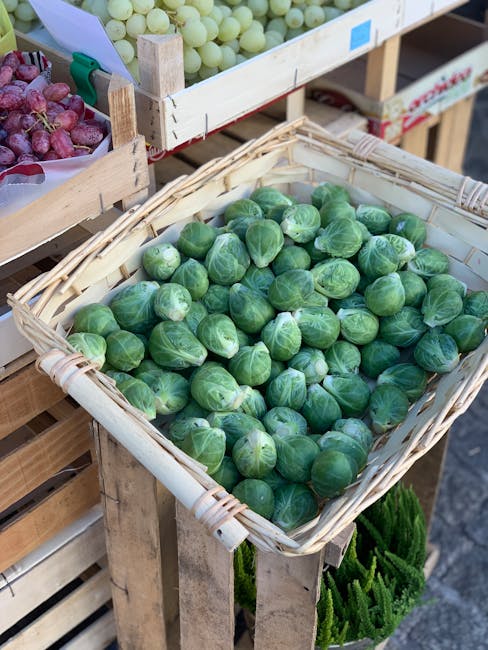
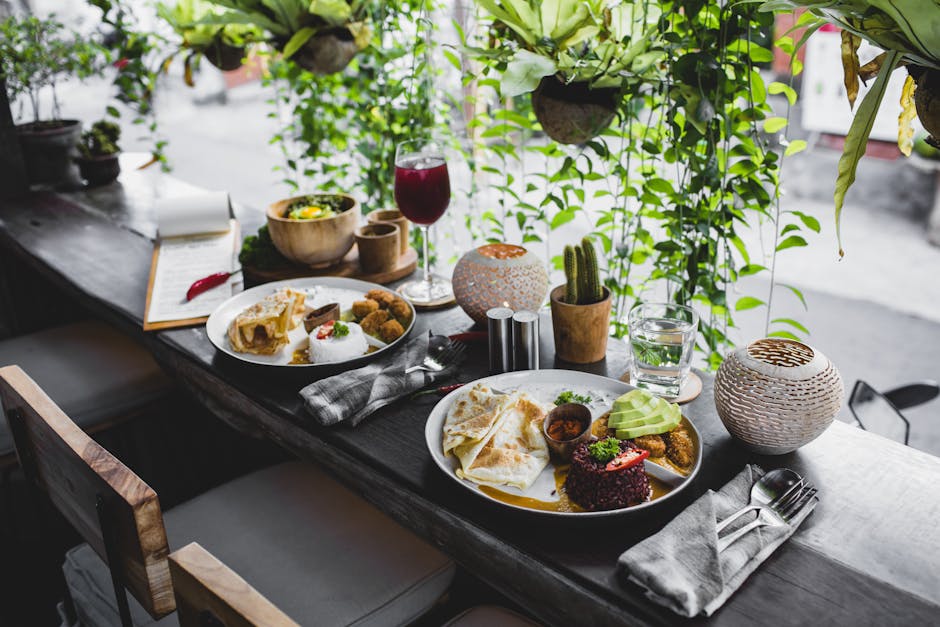
Throughout the guide I’ve included practical suggestions: how to pair a meal with a visit to a local market, which drinks complement your dish (unfiltered Belgian craft beers, natural wines, house kombucha), and tips for vegetarian/vegan travelers (useful apps, weekly organic markets, urban farms to visit). The suggested images 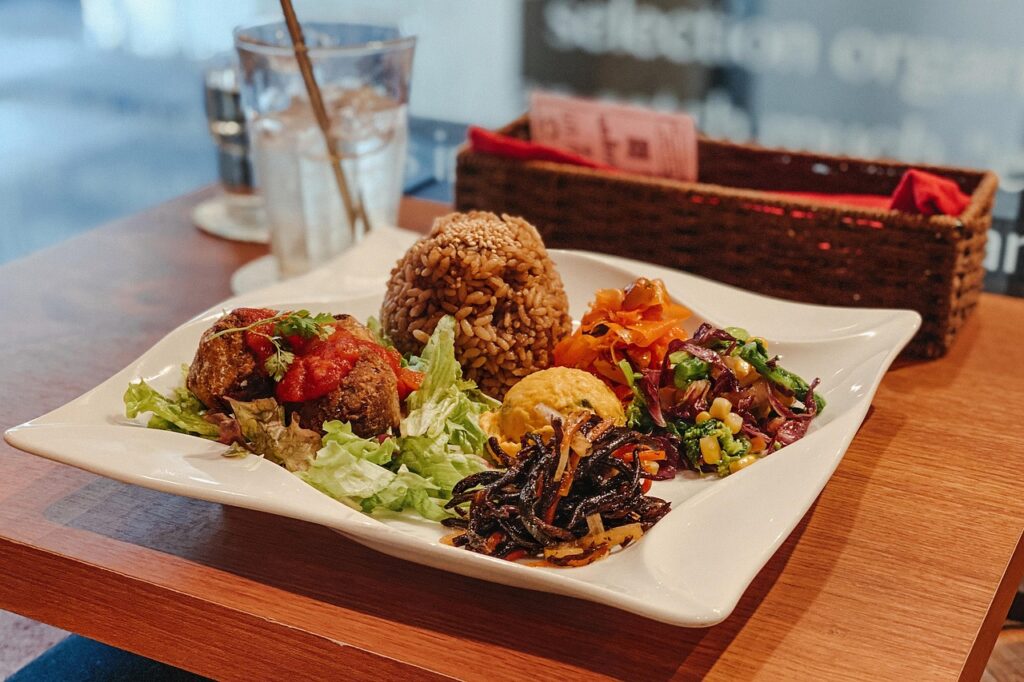 and
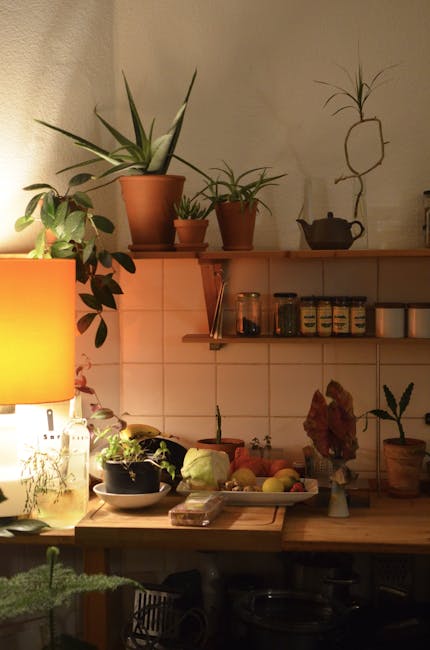
and 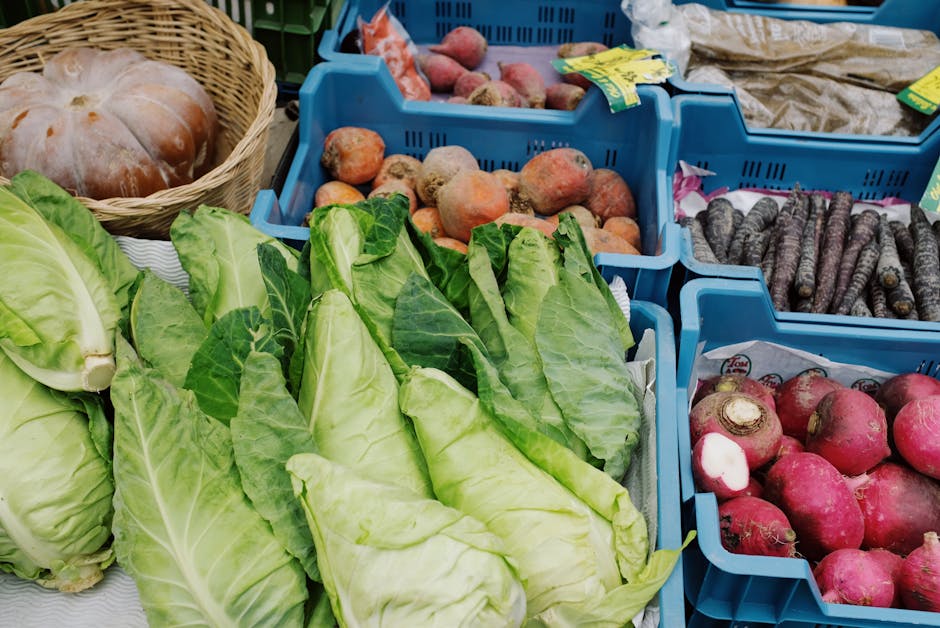 will help you picture the atmosphere — sunny patios, wooden counters, living walls and colorful plates.
Finally, this guide emphasizes sustainability: many of the featured spots clearly communicate their environmental practices, like using compostable packaging, sorting waste, reducing food waste and partnering with local organic growers across the Brussels region. Whether you’re vegan, flexitarian or simply curious, Brussels in 2026 offers a range of new and inspiring vegetarian places to explore.
1. Jardin Moderne Vegetarian Hub — Reimagined for 2026 (Saint-Gilles)
Name: Jardin Moderne Vegetarian Hub
Address: Rue de la Longue Haie 44, 1060 Brussels (Saint-Gilles)
Opening hours: Monday: 09:00–16:00, Tuesday–Friday: 09:00–22:00, Saturday: 10:00–22:00, Sunday: 10:00–18:00
Price guide: Breakfast: €6–12, Lunch set (main + drink): €12–16, Dinner (à la carte): mains €9–18, Shares & tapas: €5–10.
Jardin Moderne reopened in 2025 after a full redesign, becoming a true community hub dedicated to inventive vegetarian cooking. The space blends a bright front café, a large open kitchen and an adjoining inner garden where herbs and some vegetables are grown and used daily. The decor is warm: reclaimed oak tables, hanging plants and artisanal tiles. The menu changes with the seasons — in deep winter expect red cabbage and salsify stews; in spring, fresh plates with sugar snap peas and radishes.
Recommended dishes: the « Stoemp revisited » (potato and celeriac mash, roasted vegetables, old-style mustard sauce) at €14, and the « Bouquet bowl » (local grains, smoked tempeh, house pickles) at €13. Desserts like oat caramel and vegan lemon tart run around €6–7. The drinks menu highlights unfiltered Brussels craft beers (€4–6) and kombucha-based cocktails (€7–9).
Local tips: arrive early to have lunch between 12:00 and 13:00 if you want a sunny table in the garden. The place accepts reservations for groups up to 12 people (tel. +32 2 345 67 89) and offers a Sunday brunch that sees moderate queues after 11:30. Rue de la Longue Haie is served by tram 92 (stop « Parvis Saint-Gilles »).
2. Atelier des Légumineux — Flavorful Plant Cuisine and Fermentation (Canal District)
Name: Atelier des Légumineux
Address: Quai des Usines 10, 1080 Molenbeek-Saint-Jean, Brussels
Opening hours: Tuesday–Friday: 11:30–15:00, 18:00–22:30; Saturday: 11:30–22:30; Sunday: 10:00–16:00; closed Monday.
Price guide: Lunch menus: €13–18; Dinner: starters €6–10, mains €12–20, desserts €5–8; Fermentation workshop (2h): €35.
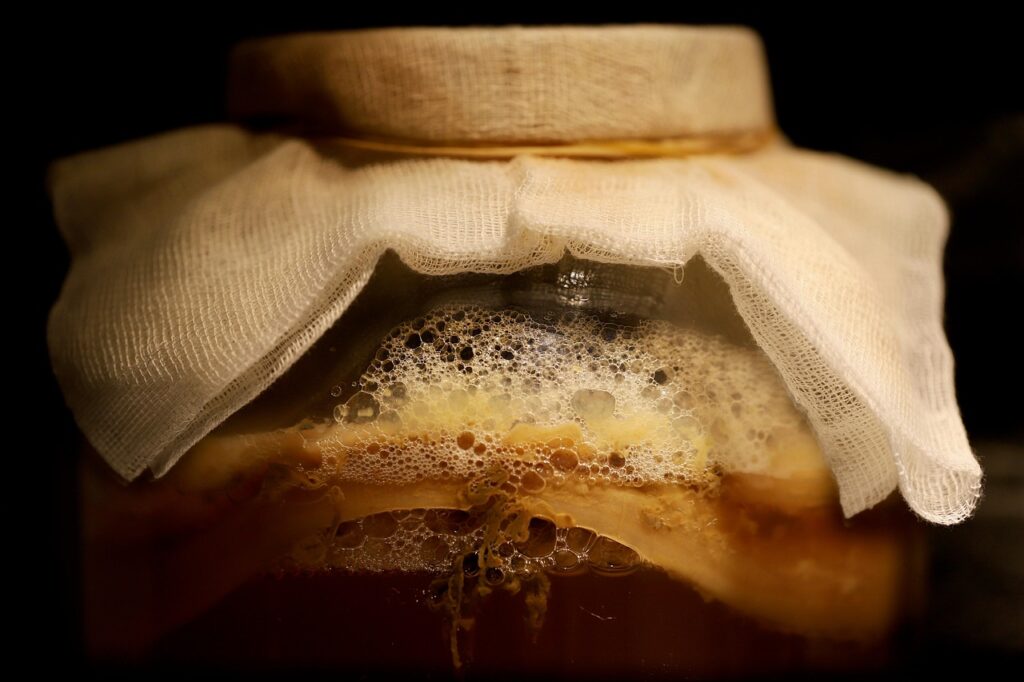
Atelier des Légumineux is a hybrid concept: restaurant, culinary lab and fermentation school. Housed in a former Canal warehouse, the industrial space is fitted with copper accents, shelves full of fermented jars (kimchi, miso, pickles) and a counter where flavored tempeh and tofu are made on site. The kitchen focuses on legumes — Belgian and regional varieties — and preservation techniques to amplify flavors.
Signature dishes: the « Belgian lentil carbonade » (slow-cooked brown lentils, amber beer sauce, house fries) at €16, and the « Fermented chickpea ceviche » at €12. Gluten-free options are clearly marked. Weekend workshops (fermentation, making plant-based cheeses, sourdough bread) must be booked online: the 2-hour session costs €35 and includes tastings and recipes to take home.
Atmosphere and service: Atelier attracts a curious young crowd — foodies, culinary students and families on Sundays. The staff are informative, explaining ingredient origins and recommending beer pairings. For local workers, Atelier offers an organic meal-box service at €12.50 with limited delivery radius.
- Practical tips: take tram 82 (stop « Fleurus ») or bus 48. Book your workshop at least a week in advance for weekend slots.
- Access: near the Sainctelette Parking for drivers (paid), bicycle-friendly with racks at the entrance.
3. La Maison des Herbes — Herb-Focused Bistro and Shop (Ixelles)
Name: La Maison des Herbes
Address: Rue de la Paix 118, 1050 Brussels (Ixelles)
Opening hours: Monday–Friday: 08:00–19:00; Saturday: 09:00–20:00; Sunday: 10:00–18:00
Price guide: Coffee & pastries: €3–6; Salads & tartines: €9–14; Evening tasting menu: €28–34; Shop products: €3–20 depending on item.
La Maison des Herbes is a highly trendy hybrid spot: a plant-forward bistro at lunchtime and an artisan shop in the afternoons. The front showcases a counter of vegan pastries and a selection of fresh herbs, herbal teas and bulk spices. In the back, a cozy bistro serves simple yet refined dishes focused on aromatic herbs: tarragon, chervil, violet petals and edible flowers. The menu highlights herb-forward cooking and the use of local plants, sometimes harvested by a network of Brussels urban foragers.
Dishes to try: the « Artichoke & tarragon tartine » (house bread, bean cream, grilled artichokes) at €11, and the « Beet & honeysuckle salad with walnuts » (mélissa vinaigrette) at €13. In the evening, the 3-course tasting menu (€28–34) pairs with teas (warm infusions, kombucha) or an optional glass of natural wine (+€6–9). Pastries at the counter include an aquafaba brownie (€3.50) and a vegan mille-feuille (€5.50).
The shop also sells homemade products: spice sachets (€6–12), vegetable broth mixes (€7) and sprouting kits (€12–20). They run « Herb Foraging & Cooking » workshops (€30, 2.5 hours) where you learn to identify and cook urban herbs. A major perk: the location is just steps from Tenbosch Park, perfect for extending your stroll after a meal.
4. Green Train Kitchen — Mobile Canteen & Vegan Train Menu (Gare du Midi / Pop-ups)
Name: Green Train Kitchen (mobile canteen & pop-up)
Main location: Pop-up platform, Brussels-Midi Station, Place Victor Horta, 1060 Brussels — hours and locations vary (check website for updates)
Opening hours: Typical service: weekday lunch on site 11:00–15:00; occasional evening pop-ups. Check the schedule online.
Price guide: Quick snacks: €3–6; Lunch box: €9–14; Pop-up dinner menu: €15–22.
Green Train Kitchen is a 2025–2026 initiative aimed at providing high-quality plant-based meals to travelers and commuters. Operating as a mobile canteen and pop-up stand, the team moves between Brussels-Midi Station, rail events and neighborhood markets. Lunch boxes are designed to be eaten on the go: brown rice, roasted vegetables, legumes, fermented sauce and a side salad. The €12 box includes a main, a small dessert and a drink (infused water or kombucha).
Evening pop-ups, often organized with cultural partners, offer themed menus: « Train to Naples » (thin-crust plant-based pizzas) or « Eastern Express » (plant-based dolmas and baos). Pop-up prices remain affordable at around €15–22 for a full meal. Green Train Kitchen prioritizes sustainable logistics: compostable cutlery, reusable dishes at partner events, and discounts for customers who bring their own containers.
Good for travelers: the mobile canteen serves « ready-to-go » in 5–10 minutes, ideal when you need to catch a train. Hours and locations can shift with rail flows: check Instagram or the website for the daily spot. Local tip: if you’re taking a night train, look for the Green Train Kitchen stand for a warm box before departure — teams often serve until international departures, around 22:00–23:00 depending on the season.

5. Table Verte by Maison Choux — Plant-Based Fine Dining (Sablon District)
Name: Table Verte by Maison Choux
Address: Rue du Grand Sablon 21, 1000 Brussels (Sablon)
Opening hours: Tuesday–Saturday: 18:30–22:30; Sunday: lunch service 12:00–15:00; closed Monday.
Price guide: 5-course tasting menu: €58; Express plant-based lunch: €24; Selection of natural wines: €5–11 per glass.
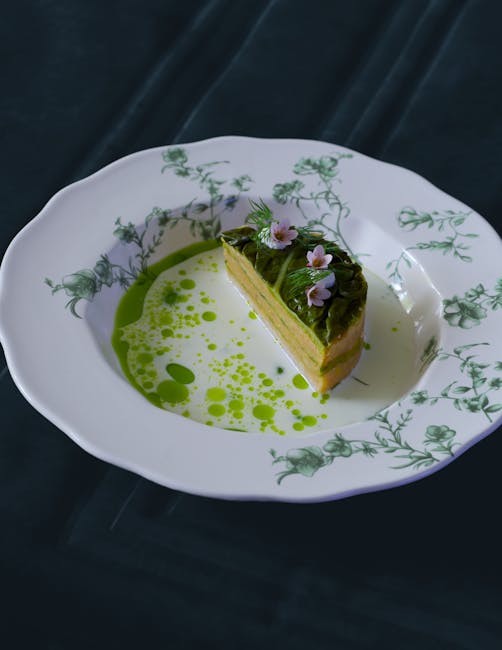
For a more formal plant-based gastronomic experience, Table Verte delivers a refined proposition in the heart of Sablon. Opened at the end of 2024, it cemented its reputation by 2026 with technical cooking that spotlights vegetables, grains and condiments; presentations meet fine-dining standards but without animal proteins. The tasting menus use techniques like sous-vide cooking, wood smoking and concentrated mushroom- and seaweed-based broths to heighten umami.
Sample progression: amuse-bouche (nettle mousse, crispy potato) followed by a starter « Shiitake tataki, kombu reduction, » then a main « Roasted heart of cabbage, toasted carrot jus » and dessert « Almond cream, pear gelée » to close the €58 tasting menu. The chef also offers natural wine pairings (3 glasses) for +€28.
Reservations: the house takes bookings by phone (+32 2 987 65 43) and email. It’s wise to reserve at least 7 days ahead for Friday and Saturday dinners. The setting is elegant — perfect for a special occasion or business dinner. Visitors can pair a meal here with an evening stroll through Sablon’s cobbled lanes and a stop at classic chocolatiers (treat yourself to a post-menu sweet). Table Verte also accommodates vegan dietary restrictions — mention them when booking.
Conclusion: Practical Tips for Exploring Brussels’ New Vegetarian Scene in 2026
In 2026, Brussels offers a variety of vegetarian addresses to suit different needs: from express snacks and mobile canteens for travelers, to neighborhood bistros and refined gastronomic tables. When planning your visits, keep a few practical rules in mind to make your experience smoother:
- Reservations: For places like Table Verte and Atelier des Légumineux (workshops), book ahead, especially on Friday and Saturday nights. Many venues have limited slots and tasting menus are often available in small quantities.
- Opening hours: The hours listed here reflect 2026, but always double-check online or by phone before heading out — pop-ups like Green Train Kitchen change location and hours frequently.
- Budget: Expect €10–18 for a full vegetarian lunch in a bistro, €28–58 for a gastronomic experience, and €3–6 for snacks or pastries. Hands-on workshops typically cost €30–40 for 2–3 hours.
- Transport: Brussels has good tram and metro coverage; most listed spots are reachable via lines 3, 4, 7, 92 or the main stations (Midi, Central). Consider biking too — many venues offer racks or discounts for cyclists.
- Sustainability: Increasingly, establishments adopt zero-waste measures — bring your own container for takeout or ask for compostable packaging when available.
- Taste local: Look for dishes highlighting Belgian vegetables (cabbage, beets, leeks, heritage carrots) and local craft beers. Ask for the day’s recommendations — chefs often prioritize seasonal produce.
As you explore these new spots, you’ll discover that Brussels in 2026 is not just a political and European capital, but also a plant-based culinary lab where creativity and local know-how meet. Whether you love the conviviality of an urban garden, the experimentation of fermentation or the elegance of fine dining, the city has something to satisfy every curiosity. Take your time, follow local tips (off-peak hours, reservations, combining sightseeing with treats) and let yourself be surprised by the range of textures and flavors on Brussels’ vegetarian scene.
Enjoy your culinary journey in Brussels — and do come back often: the scene is evolving fast, and there will always be new places to discover!