





Introduction: Urban Mobility in Brussels — a complete overview
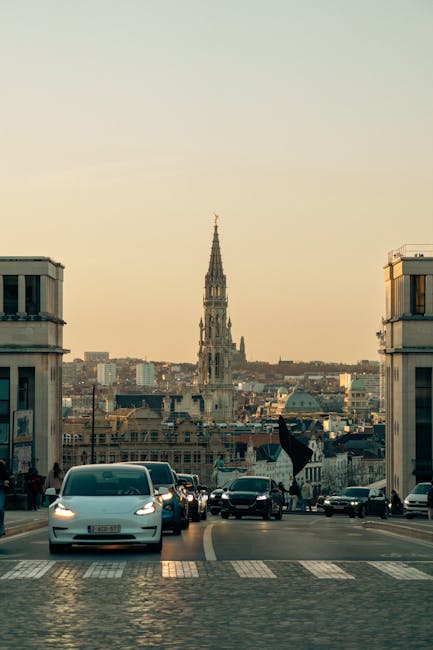
Brussels, the capital of Belgium and home to numerous European institutions, is a city where urban mobility is both an everyday challenge and a showcase for innovation. With roughly 1.2 million residents in the metropolitan area and hundreds of thousands of commuters every day, transport infrastructure strongly affects quality of life, the local economy and the city’s appeal to visitors. This guide aims to provide a clear, practical and immersive assessment of infrastructure for each mode of transport: metro, tram, bus, regional and national trains, bike-sharing, shared electric scooters, car and walking. Information includes exact addresses for major hubs, typical schedules, indicative prices in euros, detailed descriptions of facilities and local tips to make getting around easier.
Brussels’ public transport system is centred on the STIB/MIVB (Société des Transports Intercommunaux de Bruxelles) for metro, tram and urban buses, and on SNCB/NMBS for regional and national trains. On top of that there are shared mobility solutions — Villo! (bike-sharing), electric scooters and e-scooter operators like Bird, Lime and Dott — plus road and pedestrian infrastructures that are regularly updated as part of sustainable mobility policies. Some areas, such as the Pentagon (historic centre) or the European quarter (Schuman, Leopold), have particular access and parking constraints, while hubs like Brussels-South Station (Bruxelles-Midi / Brussel-Zuid, Avenue Fonsny 47, 1060 Bruxelles) concentrate intense multimodal traffic.
This guide is aimed at different readers: visitors wanting the best options to move efficiently, residents seeking to understand the state of infrastructure and daily alternatives, and mobility professionals or urban planners looking for concrete examples. Each section covers not only the physical state (stations, tracks, bike lanes, bus lanes) but also the user experience: signage, accessibility (lifts, ramps), service frequency, fares and local tips to avoid pitfalls (rush hours, construction zones, temporary closures). You’ll also find addresses and opening hours for main hubs and services, plus practical advice like where to top up a MOBIB card, how to avoid fines and the best walking routes to major sights.
Because mobility isn’t limited to fixed infrastructure, this guide also includes shared and innovative dynamics (shared parking, 30 km/h zones, potential urban toll policies), and practical recommendations for adopting more sustainable travel habits on the ground. Prices and schedules are indicative and reflect recent trends: they may change with operator updates (STIB, SNCB, Villo!, scooter operators). Always check official sites before you travel. Now, let’s dive into each mode and see what Brussels offers today in terms of infrastructure.
Metro and tram: a structured network, gradual modernization
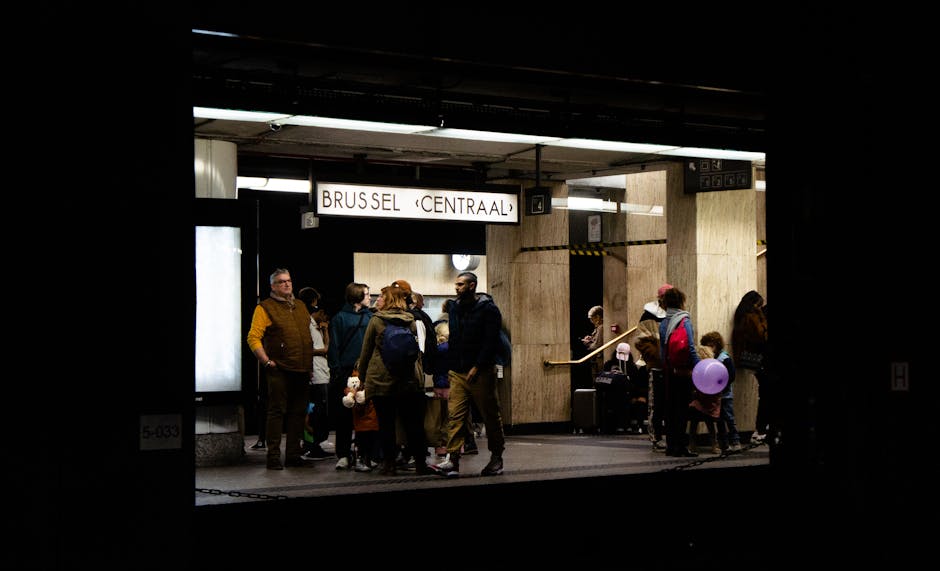
The metro and tram network form the backbone of Brussels’ urban public transport. Run by STIB/MIVB (Société des Transports Intercommunaux de Bruxelles / Maatschappij voor Intercommunaal Vervoer te Brussel), they serve most neighbourhoods from the Pentagon (city centre) to outer municipalities. The metro network has 4 lines (M1, M2, M5, M6) covering east-west and north-south corridors, while the tram network includes more than 20 lines, from historic radial lines (1, 7, 81) to faster segregated-tram routes (for example line 25/44 along parts of the canal).
Hours: the metro typically runs from 5:00 to around midnight on weekdays, with headways of 3 to 8 minutes at peak times depending on the line; on some weekends and certain nights, night services are organised (check the STIB site). Trams usually operate between 5:00 and 0:30, with varying frequencies: 6–12 minutes during the day depending on the line, less frequent early morning or late at night. Key stations:
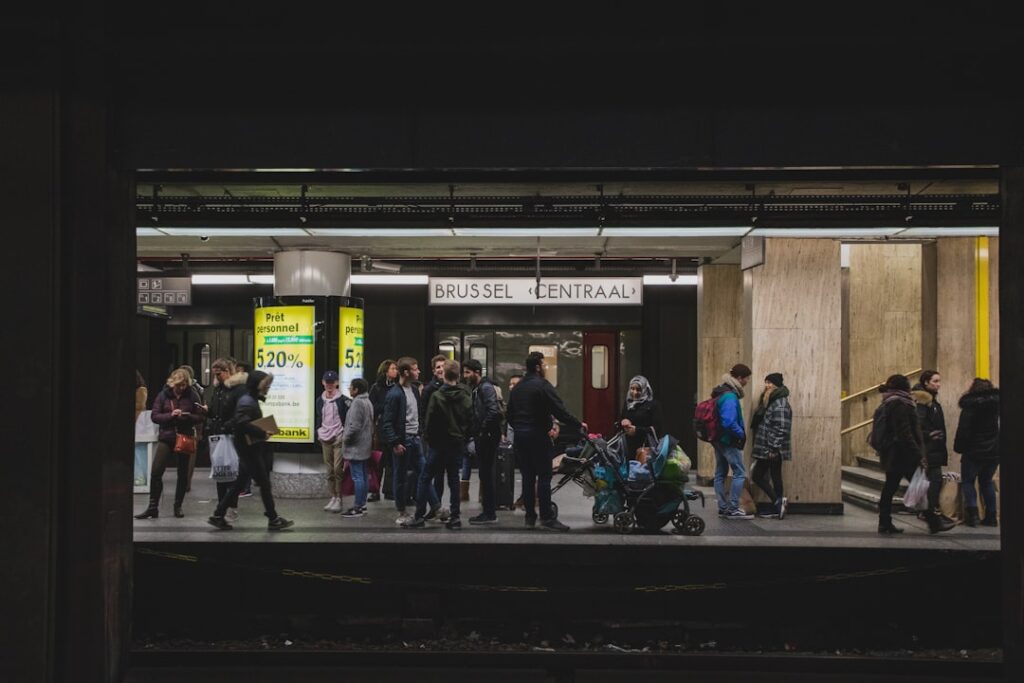
- Brussels Central Station / Bruxelles-Central, De Brouckère station, located at Place de la Monnaie / Muntplein, heart of the historic centre — major interchange between metro, tram and bus.
- Brussels-South / Bruxelles-Midi / Brussel-Zuid, Avenue Fonsny 47, 1060 Bruxelles — international hub (Thalys, Eurostar) with strong connections to trams and buses.
- Place Stéphanie / Stéphanieplein, Avenue Louise commercial stretch — a busy tram stop and served by line 93, popular with shoppers.
Fares: a standard STIB single ticket (valid for 60 minutes across the STIB network) costs roughly €2.50 if bought via the app or sales points, and about €3.00 if purchased on board from the driver (check stib.brussels for current fares). Rechargeable MOBIB cards offer 24-hour passes at around €7.50 and multi-day options. Travellers combining SNCB trains and the metro often need separate tickets for rail and metro when stations are run by different operators.
Infrastructure and accessibility: many central stations (De Brouckère, Rogier, Arts-Loi / Kunst-Wet) have lifts and facilities for people with reduced mobility, but some older stations still feature narrow staircases and raised platforms. Modernisation work is underway on several stretches, including rail replacement, rolling stock updates (new M7 metros in development) and station renovations to improve signage and lighting. Local tip: avoid line M2 between 17:00 and 18:30 between Schuman and Brussels-South, where connection congestion and commuter traffic can significantly increase travel times.
Buses and night services: flexibility and neighbourhood coverage
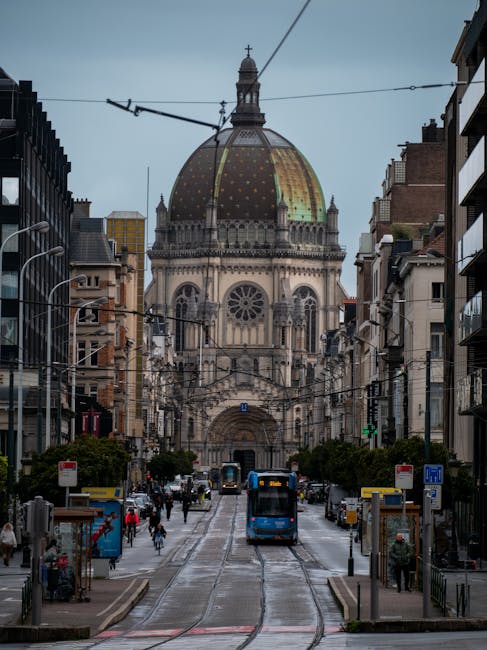
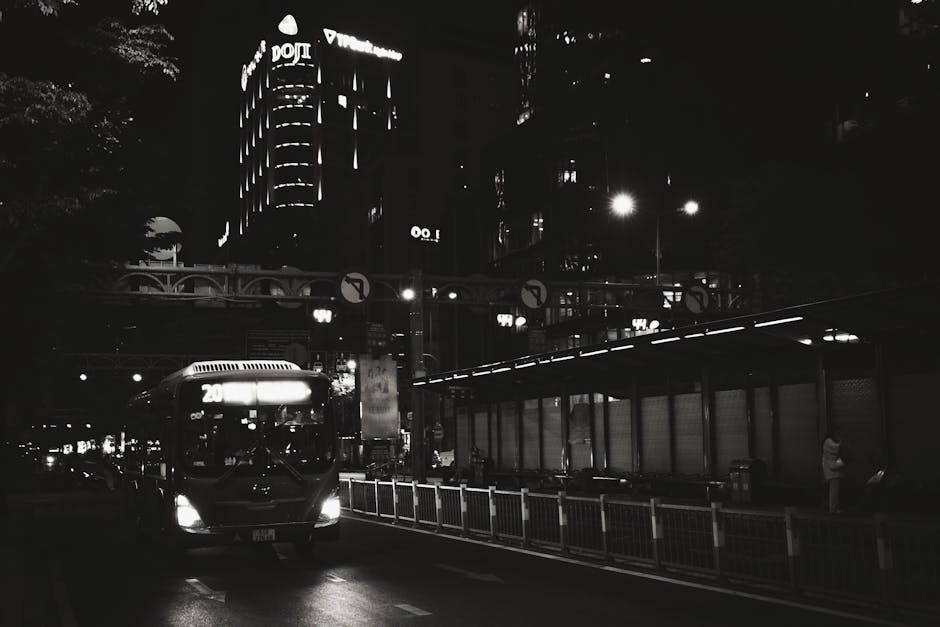
The STIB bus network complements the metro and trams by serving residential areas, peripheral neighbourhoods and cross-town links not covered by the metro. Buses are particularly important evenings and weekends, as well as in districts like Anderlecht, Forest, Schaerbeek and Uccle where tram lines are less common. Bus frequencies vary: during the day most run every 8–20 minutes depending on demand; in the evening frequencies drop to 20–40 minutes.
Hours and night services: STIB operates a number of night lines (the N-lines) on weekends and certain public holidays; they serve main central arteries and key residential districts. For example, line N04 links Brussels-South Station (Avenue Fonsny 47, 1060 Bruxelles) — Brussels-Central — Schaerbeek on weekend nights, with departures roughly every 30 to 60 minutes between 00:30 and 05:00. Exact schedules vary with the calendar — check stib.brussels for day-by-day times.
Fares and tickets: the same STIB ticket (≈ €2.50) is valid on bus, tram and metro for 60 minutes; purchase via the official STIB app, station ticket machines or some kiosks. Combined tickets for bus and train journeys exist for longer trips. Monthly and yearly MOBIB subscriptions reduce costs for regular users: a monthly STIB pass is often around €55–65 depending on the formula (rates vary and are subject to conditions).
Hardware and facilities: most newer buses have low floors to ease access with strollers or wheelchairs, with designated spaces and retractable ramps. Main stops like “De Brouckère” (Boulevard Anspach 1, 1000 Bruxelles) and “Brussels-North / Gare du Nord” have modern shelters, real-time information panels and timetable screens. Nevertheless, the network sometimes lacks dedicated bus lanes in certain areas, causing slowdowns at peak times. Local tip: for longer evening journeys, check for a night line (NXX) instead of relying on daytime buses, and always keep a validated ticket — checks are common and fines can be high (starting around €40–50 depending on the case).
Trains (SNCB/NMBS): regional hubs and international connections
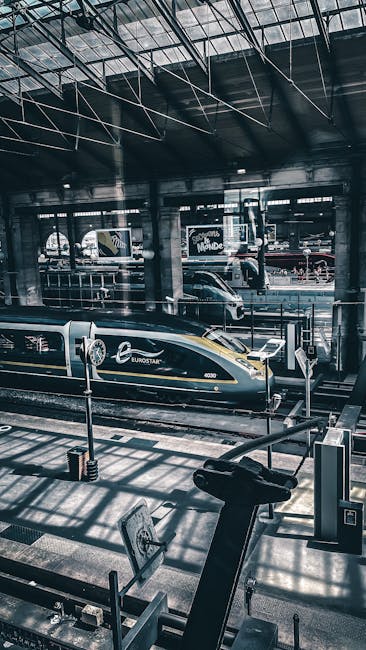
SNCB/NMBS handles regional (S-trains/IC) and international services (Thalys, Eurostar, InterCity) from several major Brussels stations. The three principal stations are:
- Brussels-South / Bruxelles-Midi / Brussel-Zuid — Avenue Fonsny 47, 1060 Bruxelles: the main hub for Eurostar, Thalys and national IC services to Antwerp, Charleroi, Ghent, as well as international trains to Paris, London and Amsterdam.
- Brussels-Central / Bruxelles-Central — located in the heart of the historic centre (approx. Place de la Monnaie): ideal for accessing the Grand-Place, the Magritte Museum and central hotels.
- Brussels-North / Bruxelles-Nord / Brussel-Noord — a hub for northern commuters with bus/tram connections to northern municipalities.
Hours and frequency: regional trains (S-trains) serve the wider suburbs with high frequencies at peak times (every 15–30 minutes on main corridors). InterCity (IC) trains offer direct links to Liège, Namur, Antwerp and Ghent with regular departures throughout the day. International services (Eurostar, Thalys) depart from Brussels-South; security and immigration checks for Eurostar can add 30–60 minutes to your journey — arrive early.
Fares: regional fares vary with distance: a short regional ticket (intra-Brussels zone) can start from about €2.80; InterCity fares range from €7 to €25 depending on distance and booking lead time. International fares (Eurostar) typically start around €35–60 for promotional fares, but can be much higher at short notice. SNCB subscription options (monthly, annual) exist for commuters; Senior, student and youth cards offer discounts.
Infrastructure and comfort: main stations offer full services: lockers, ticket counters, self-service machines, shops, cafés, bike and car parking. Brussels-South is particularly well-equipped for international travellers (Thalys/Eurostar counters, waiting areas). However, some suburban stations may lack lifts or adequate shelters — check accessibility if you travel with heavy luggage. Local tip: favour IC trains over multiple transfers to save time; buy tickets via the SNCB app or machines to avoid queues and sometimes get reduced advance fares.
Bikes (Villo!) and cycle lanes: real progress, but uneven coverage
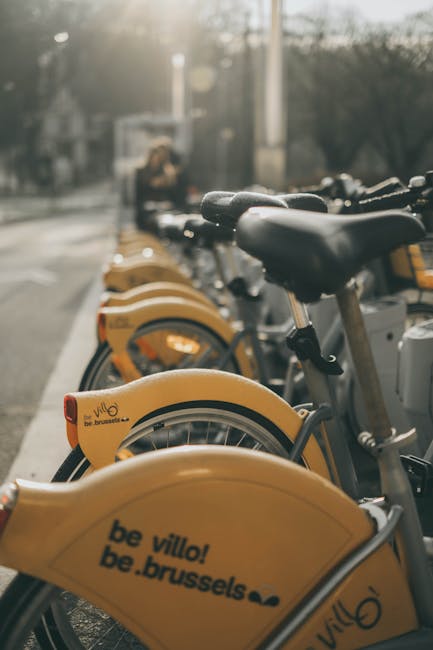
Cycling has become a central pillar of mobility in Brussels, encouraged by the city through expanded cycle lanes, 30 km/h zones and the Villo! bike-sharing network. Villo! (operated by JCDecaux in cooperation with the Brussels-Capital Region) offers docking stations across the city: notable stations near tourist spots and stations include Brussels-South Station — Avenue Fonsny 47, 1060 Bruxelles, Brussels-Central — Place de la Monnaie and numerous docks around Place Flagey (Place Eugène Flagey, 1050 Ixelles).
Villo! fares: various plans — a one-day pass (~€1.50 + rental costs depending on duration); annual subscriptions around €30–40 (2024 indicative rates). The first 30 minutes of a ride are often included free with a subscription; beyond that, additional charges apply (€0.50 to €2.00 per interval depending on extra duration). For regular users, an annual subscription is usually the most economical.
Cycling infrastructure: Brussels has invested in protected bike lanes on several major routes (Boulevard de Waterloo, parts of Avenue Louise, along the canal in Molenbeek and Anderlecht). However, quality and continuity vary widely by neighbourhood: some sections are physically separated from traffic, others are only painted lanes. Winter maintenance can be inconsistent, and temporary construction works sometimes force cyclists into mixed traffic. Cycle signage and secure bike parking (bike boxes) are still expanding; Brussels-North and Brussels-South offer monitored bike parking against subscription.
Safety and tips: wear a helmet if it makes you feel safer (not mandatory in Belgium), use reflective gear at night and choose quieter routes to avoid busy main roads. For leisure rides, take the canal-side lanes (Avenue du Port) for a less stressful and more scenic route. Check the condition of Villo! bikes before setting off (brakes, tyres) and return the bike properly to a docking station to avoid fees or account blocks.
Electric scooters, carpooling, cars and walking: complements with constraints
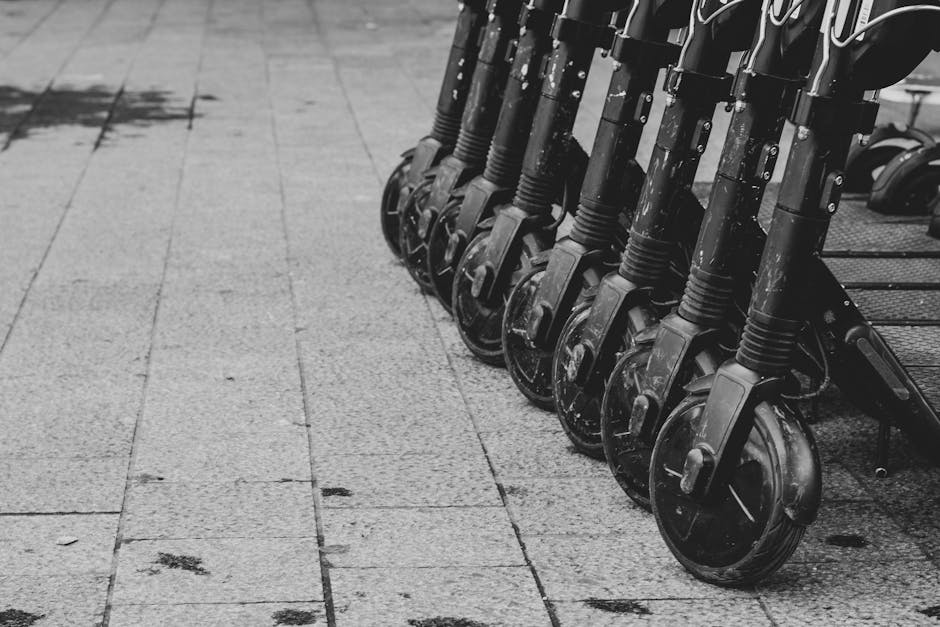
Shared electric scooters and carpooling services have exploded in Brussels in recent years. Operators like Lime, Dott and Bird typically charge €1.00–€1.20 to unlock and around €0.15–€0.25 per minute of use. Prices vary with promotions and zones — expect €5–€10 for a 20-minute urban ride. Parking rules are increasingly regulated: leave scooters on designated racks or within marked zones to avoid fines and municipal removals.
Carpooling and car-sharing: platforms like Cambio (car-sharing) and ride-hailing services (Uber, Bolt) supplement public transport. Central parking is expensive: public car parks (Q-Park, Interparking) charge roughly €2.00–€4.00 per hour depending on location; daily rates can range from €20 to €40 in the city centre. On-street parking and blue zone rules are managed by each municipality; daytime parking meter rates usually sit between €1.50 and €3.50 per hour depending on the zone.
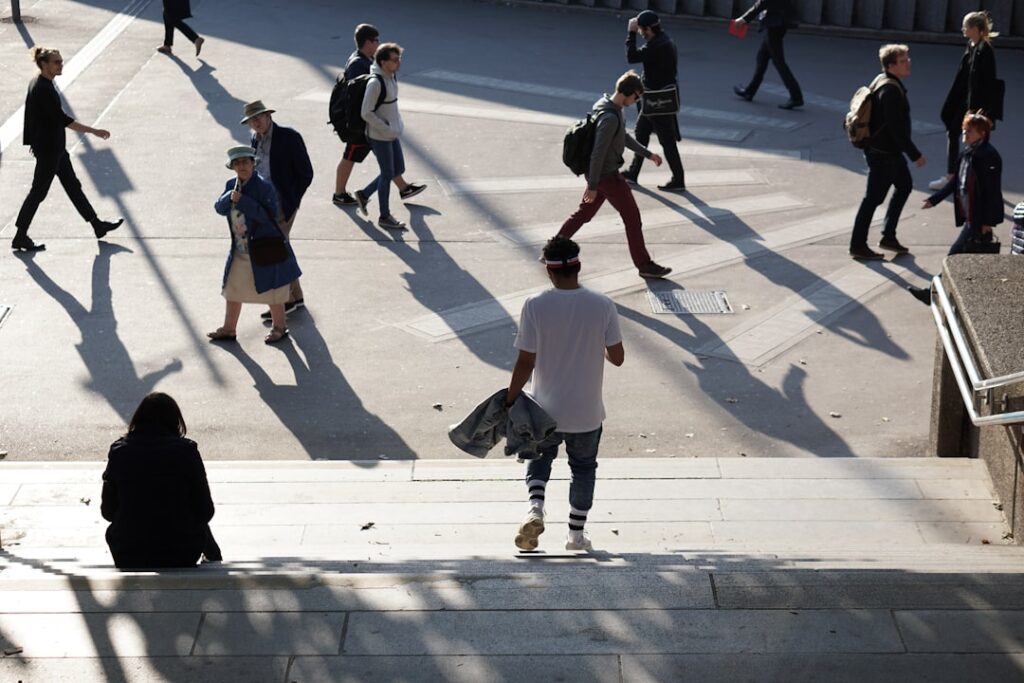
Walking and pedestrian areas: walking remains one of the nicest ways to discover Brussels. The historic centre, the Grand-Place (Grand-Place, 1000 Bruxelles), shopping streets around Rue Neuve (Nieuwstraat) and neighbourhoods like Sablon offer short, rewarding routes. Municipal initiatives increasingly promote pedestrianisation of certain areas (Boulevard Anspach transformed into a pedestrian esplanade) and more rest areas. Practical tip: walk for journeys under 2 km — often faster than taking a bus through congested streets — and look for shortcuts through alleyways and covered passages like the Galeries Royales Saint-Hubert (Galerie de la Reine / Galerie du Roi, 1000 Bruxelles).
Intermodality, ticketing and practical tips
One of Brussels’ main mobility challenges is intermodality: making transfers between metro, tram, bus, train and soft modes smooth and intuitive. The MOBIB card (rechargeable smartcard) and official apps (STIB, SNCB, Villo!) make buying and validating tickets easier. A few concrete tips:
- MOBIB card: get one at a STIB station or online; load it with single tickets or subscriptions. It lets you travel on metro, tram and bus without buying a paper ticket every time.
- Plan with apps: use the STIB app (stib.brussels), the SNCB app and Google Maps/Citymapper to combine routes and see walking times and connections. Apps often display real-time schedules and disruptions.
- Avoid rush hours: critical periods are morning 7:30–9:30 and evening 16:30–18:30. Allow an extra 15–30 minutes for connections at Brussels-South and Central due to international passenger flows.
- Security and checks: ticket validation is mandatory; checks are common and fines are high (often >€50). Keep proof of purchase until the end of your trip.
In short, mobility in Brussels relies on a combination of effective networks and shared innovations but faces infrastructure and harmonisation challenges. Recent improvements (cycle lanes, station renovations, line extensions) are positive, but the city remains uneven across neighbourhoods. In the conclusion we summarise strengths, weaknesses and practical recommendations for different user profiles.
Conclusion: strengths, gaps and recommendations for getting around Brussels
Brussels today offers a wide and complementary range of mobility options. The clearest strengths are a well-established metro and tram network serving major corridors, strong SNCB stations for regional and international links (Brussels-South Station, Avenue Fonsny 47, 1060 Bruxelles), and growing urban cycling via Villo! and expanding cycle lanes. Shared services (scooters, car-sharing) add flexibility for last-mile trips.
However, gaps remain: uneven quality and continuity of cycle lanes, inconsistent accessibility in some older stations, occasional lack of dedicated bus lanes on congested corridors, and fare complexity for seamless intermodality. Prices (STIB ticket ≈ €2.50, 24h pass ≈ €7.50, Villo! annual ≈ €30–40, scooters ≈ €1 + €0.20/min) are reasonable but changeable — check official sites (stib.brussels, sncb.be, villo.brussels) before travelling.
Practical tips and recommendations:
- Plan ahead: use STIB, SNCB and navigation apps to anticipate connections and works.
- Intermodality: get a MOBIB card if you’re staying several days; it simplifies validations and reduces the stress of repeated purchases.
- Bike and scooter: for short urban trips favour Villo! or e-scooters but pay attention to regulated parking to avoid fines.
- Rush hours: avoid non-essential travel during 7:30–9:30 and 16:30–18:30 on the Brussels-South — Central — Louise corridor.
- Respect and safety: follow pedestrian and cycle signage, validate your ticket and park only in authorised zones.
For visitors: locate the main stations and stops on arrival (Brussels-South — Avenue Fonsny 47, 1060 Bruxelles; Brussels-Central — Place de la Monnaie; Brussels-North) and consider a 24/48h pass if you plan many trips. For residents, a monthly or annual MOBIB subscription usually offers the best value. For mobility professionals, Brussels is an instructive case: recent policies support multimodality, but implementation remains an ongoing effort requiring coordination between municipalities and regional authorities.
All in all, getting around Brussels in 2026 is perfectly doable and often enjoyable if you plan a little, use the right apps and respect local rules. The city is evolving, and travellers today have many choices to move efficiently, sustainably and safely.