





Introduction — Finding affordable housing in Brussels: a practical guide
Brussels, Belgium’s capital and the administrative heart of the European Union, is a city of many faces: historic quarters, Art Nouveau architecture, leafy parks, busy shopping avenues and neighborhoods in transition. Whether you’re visiting or planning to move, finding housing in Brussels means balancing budget, transport links, safety and quality of life. Securing affordable accommodation in the Brussels metro area is totally achievable if you know which neighborhoods offer the best value, how to negotiate leases, alternatives to hotels and which local resources to use.
This practical guide takes you through Brussels’ most budget-friendly neighborhoods, with concrete examples (place names, addresses, indicative prices, opening hours) and tried-and-tested local tips. You’ll find options for every profile: students, young professionals, families on a tight budget and travelers looking for short, economical stays. I also cover temporary solutions (hostels, homestays, student residences) and medium-term alternatives (flatshares, 6–12 month leases, social housing), with practical steps to follow.
The guide focuses on practical matters: access to public transport (metro, tram and buses operated by STIB), proximity to shops and markets, nighttime safety and the vibe of each neighborhood. I’ll name specific addresses (squares, stations, information centers), give rent estimates in euros for both long and short stays, and list useful opening hours (information offices, market times). You’ll also find local money-saving tips (transport passes, cheap food markets, the best days and times to haggle rent or find good short-term Airbnb deals) and suggestions for visiting a neighborhood before signing anything.
Whether you’re staying for a few days or planning a long-term move, understanding each area’s dynamics and knowing specific addresses will help you narrow your search efficiently. The sections below detail several recommended neighborhoods, temporary housing options, how Brussels’ rental market works and a host of practical tips to avoid common pitfalls. My aim is to give you a realistic, comprehensive and immediately usable guide to finding affordable housing in Brussels.
Neighborhood 1: Les Marolles and Place du Jeu de Balle — history, the flea market and local listings
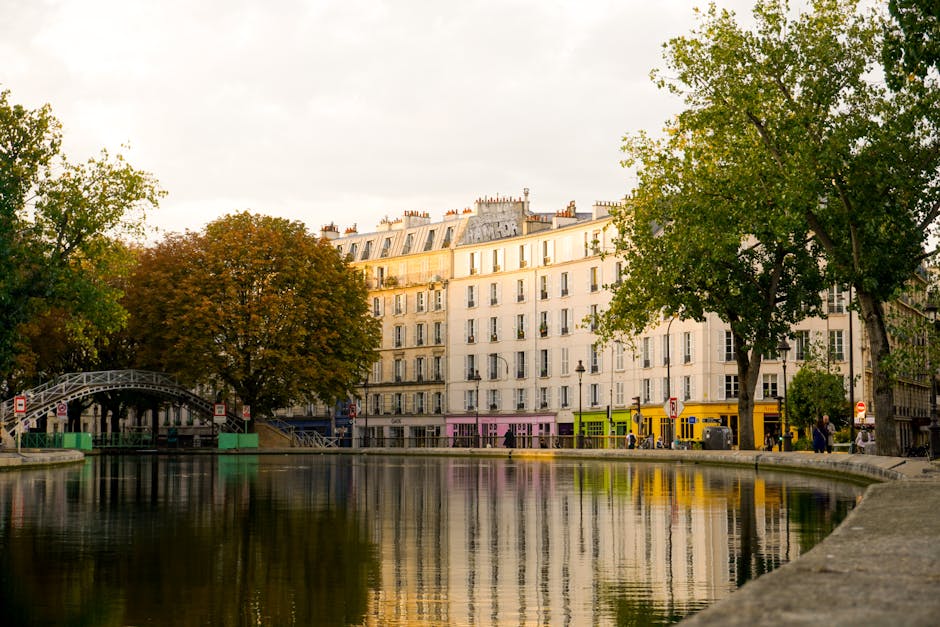
Les Marolles (Marollen in Dutch) is one of Brussels’ most characteristic and affordable neighborhoods, centered around Place du Jeu de Balle (Place du Jeu de Balle, 1000 Brussels). This area is famous for its daily flea market, narrow streets filled with antique dealers, modest cafés and rents that are often below the city average. Buildings are generally older (19th century), with studios and one-bedroom flats that suit singles and couples well.
Market and rhythm: The Place du Jeu de Balle flea market runs every day from about 06:30 to 14:00 (typical hours; may close on public holidays). You’ll find antique furniture, clothing, vinyl records and collectibles. The official reference address is Place du Jeu de Balle, 1000 Brussels. Apartments around the square can be noisy in the morning; opt for higher floors or façades facing quieter side streets for more peace.
Indicative prices: An unfurnished studio in Les Marolles can start around €550–€750/month for 20–30 m² (typical 2024 rates for small units), while a one-bedroom flat often falls between €700–€950/month depending on condition and location. Rents vary a lot: renovated units near Rue Haute or the Palace of Justice can climb higher (€900–€1,300/month).
Practical tips: Always check insulation and heating (some old buildings have district heating, others individual boilers). Ask the landlord for the building’s energy performance certificate (PEB). For viewings, keep an eye on local notices posted around Place du Jeu de Balle and Rue Haute; many local landlords don’t advertise online. The tram stop « Annessens » (Rue d’Anvers / Place de la Vaillance) and nearby metro stations make the area accessible. For tenant rights and admin questions, the Palais de Justice’s legal aid center (Palace of Justice, Place Poelaert, 1000 Brussels) can be useful.
Neighborhood 2: Saint-Gilles and Parvis de Saint-Gilles — bohemian vibe, convenience and good value
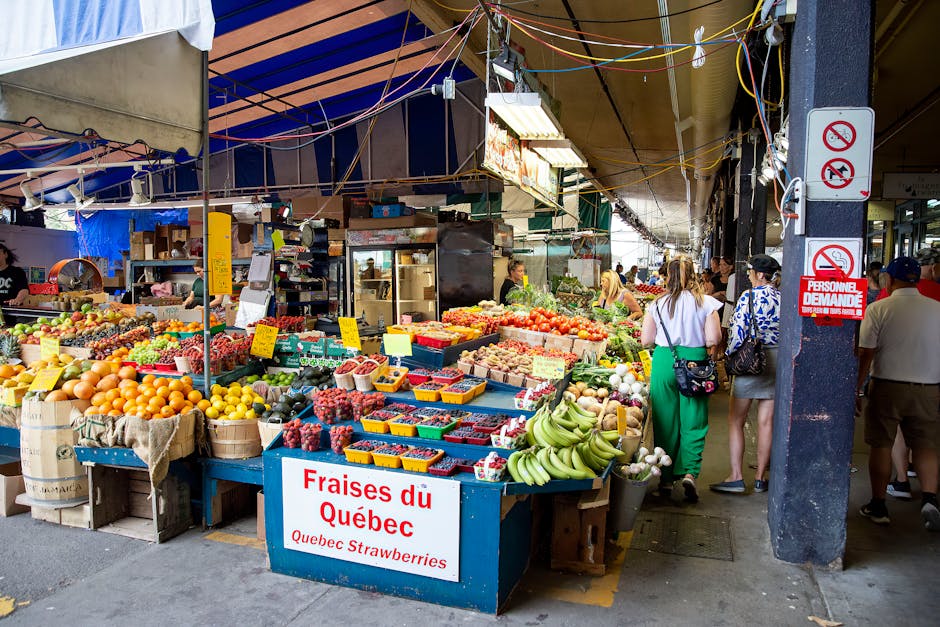
Saint-Gilles (1000 / 1060 Brussels depending on the section) is a mixed neighborhood loved for its bohemian atmosphere, cafés, food markets and easy links to the city center. Parvis de Saint-Gilles (Rue Sainte-Marie, 1060 Saint-Gilles) is a central square that sometimes hosts an organic market and is home to independent bookshops and budget-friendly cafés.
Highlights and atmosphere: Saint-Gilles blends Art Nouveau (see Avenue Adolphe Max and buildings by Victor Horta) with residential blocks. It attracts students and young professionals and has many affordable restaurants around Rue du Bailli and Rue Antoine Dansaert. Transport access is strong: Brussels South/Midi station (Place de la Gare du Midi, 1060 Saint-Gilles) is nearby, offering national and international connections (Thalys/Eurostar with transfers) plus many trams and buses (STIB).
Indicative prices: Studios in Saint-Gilles typically start at €600–€800/month, while a comfortable one-bedroom can range from €750–€1,100/month. Prices fall toward the east near Forest and rise toward the west near Gare du Midi. In shared flats, a room can cost between €300 and €500/month depending on size and location.
Useful addresses: Parvis de Saint-Gilles Market (Rue Sainte-Marie, 1060 Saint-Gilles): Saturday market from 08:00 to 13:00 (local produce). Saint-Gilles Municipal Library (Avenue du Parc 42, 1060 Saint-Gilles): open Tuesday to Saturday (check online for exact hours). For flat viewings and local offers, the House of Employment and Training (Maison de l’Emploi et de la Formation, Rue de Tenbosch 17, 1060 Brussels) can point you toward local listings.
Tips: Schedule viewings during the day to test soundproofing. Negotiate the security deposit: in Belgium, private landlords commonly request 1 to 2 months’ rent. Ask for a detailed inventory and meter readings (water, electricity, gas). For short stays, hostels like « Sleep Well Youth Hostel » (check the specific address online) usually offer dorm beds for €20–€35/night and private rooms from €50–€70/night depending on season.
Neighborhood 3: Etterbeek and Ixelles (Elsene) — ideal for students and families
The Brussels municipalities of Etterbeek (1040 Brussels) and Ixelles/Elsene (1050 Brussels) are especially popular with students and young families. Their proximity to universities (Université libre de Bruxelles – ULB, Avenue Franklin Roosevelt 50, 1050 Ixelles; Vrije Universiteit Brussel – VUB, Pleinlaan 2, 1050 Brussels), leafy parks (Parc Léopold, Parc Tenbosch) and easy tram/metro access make these neighborhoods very convenient.
Vibe and services: Ixelles is known for Chaussée d’Ixelles (Chaussée d’Ixelles / Elsense Steenweg), a busy shopping street with grocery stores, cafés and international restaurants. The Ixelles Cemetery area (Avenue Molière) and Matongé district (Rue du Bailli, Rue des Minimes) offer great culinary diversity. Etterbeek is more residential, quiet and well served by Merode metro station (Avenue de Tervueren 28, 1040 Etterbeek) and several bus lines.
Indicative prices: Rents in Ixelles and Etterbeek are slightly higher than in Les Marolles or Saint-Gilles. Expect €700–€1,100/month for a studio or small flat and €950–€1,600/month for two-to-three-room apartments depending on renovation level and proximity to schools/universities. Rooms in shared flats usually range €350–€600/month.
Useful addresses and services:
– Université libre de Bruxelles (ULB), Avenue Franklin Roosevelt 50, 1050 Ixelles — campus and student services, office hours typically 09:00–17:00 (Mon–Fri).
– Parc du Cinquantenaire (Parc du Cinquantenaire/Jubelpark, 1000 Brussels) near Etterbeek, park open 24h though museums and facilities run roughly 09:30–17:00.
– Flagey Market (Place Eugène Flagey, 1050 Ixelles): local market on Tuesdays and Fridays, 08:00–13:00.
Practical tips: If you’re a student, contact university housing offices for flatshare lists (ULB Housing Service and VUB Student Services). For families, check school proximity (e.g. Institut Saint-Pierre at Avenue Jan Stobbaerts 3, 1050 Ixelles; school hours follow the academic calendar). Prefer apartments with double-glazed windows and mechanical ventilation for comfort—Art Nouveau buildings can be beautiful but sometimes damp.

Neighborhood 4: Schaerbeek and Laeken — affordable rents and quieter living
Schaerbeek (1030 Brussels) and Laeken (1020 Brussels) both offer good opportunities for people seeking lower rents without giving up decent transport access. Schaerbeek, once an industrial area, has been revitalized and now offers quiet streets, stately houses and apartment blocks with reasonable rents. Laeken, to the northwest, is known for Laeken Park (Parc de Laeken, Avenue du Parc royal, 1020 Brussels) and Laeken Castle (Rue du Château 1, 1020 Brussels), and offers quieter residential areas and houses.
Atmosphere and amenities: Schaerbeek hosts local markets like Parc Josaphat Market (Parc Josaphat, Avenue Dailly, 1030 Schaerbeek): Sunday morning market roughly 08:00–13:00. The Brussels Tram Museum (Rue du Chemin de Fer 1, 1030 Schaerbeek) welcomes visitors (usually weekends 10:00–17:00; check opening times before you go). Laeken has a more village-like feel and offers a selection of single-family homes and small apartment blocks.
Indicative prices: In Schaerbeek a studio often starts around €500–€750/month while a one-bedroom is typically €700–€1,000/month. In Laeken rents can be slightly lower, with shared rooms around €300–€450/month and two-room apartments from about €650/month.
Useful addresses:
– Neighborhood House – Schaerbeek Socio-Cultural Center (Maison de Quartier – Centre Socioculturel Schaerbeek, Rue Vandenboogaerde 20, 1030 Schaerbeek), usual hours 09:00–17:00 (contact for community activities and local support).
– Schaerbeek Train Station (Avenue Rogier 46, 1030 Schaerbeek): regional trains and good connections to the center (SNCB schedules vary by line).
Tips: Schaerbeek and Laeken are great if you want to cut rent costs while staying about 15–25 minutes by tram/metro from the center. Check local amenities—a good bakery or small supermarket nearby can hugely improve daily life. Try negotiating repair or upgrade costs at signing time: landlords may agree to give a small allowance for painting or replacing an old boiler.
Temporary solutions and budget alternatives — hostels, student residences and flatshares
If your stay in Brussels is temporary (a few days to a few months), several cost-effective options are available before you commit to a traditional lease. Hostels, student residences and organized flatshares are the most popular choices.
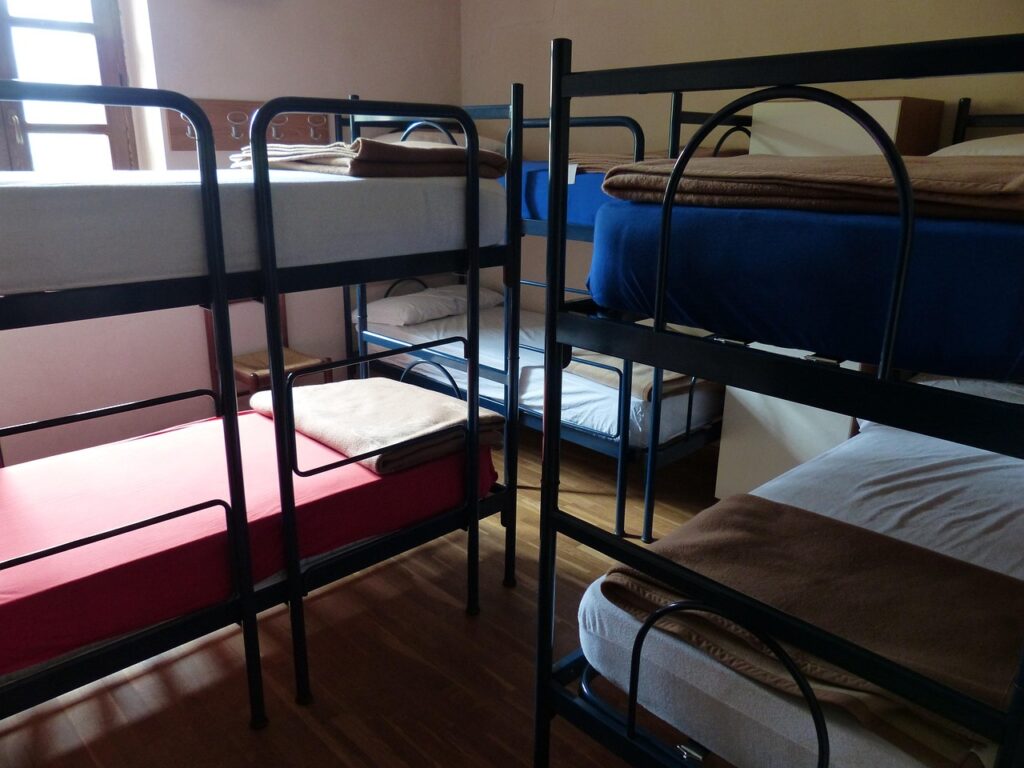
Hostels: Hostels are ideal for short stays. A typical example: « Brussels Hello Hostel » / « Sleep Well Youth Hostel » (addresses vary by property) offers dorm beds around €20–€35/night and private rooms €50–€80/night depending on season. Reception is often 24/7 at tourist hostels, though some require arrivals before 22:00 if they don’t staff a late desk. Benefits: social atmosphere, local tips and free events (walks, social nights).
Student residences: For stays of a semester or a full academic year, look into residences run by universities or private operators. ULB and VUB offer housing lists and residences; prices generally range from €300 to €650/month for a room in residence, often including utilities (water, internet). Availability is seasonal—apply several months in advance.
Flatshares: Flatsharing is the most effective way to cut monthly costs. Rooms in shared flats run €300–€600/month depending on neighborhood and quality. Local listing sites: Immoweb.be, Vlan.be, Appartager.be (search in French and Dutch). Tip: record the inventory on video during move-in and keep a signed copy to avoid deposit disputes.
Takeaways and precautions: – Read the contract carefully (notice periods, minimum commitment, joint liability clauses in flatshares). – Insist on invoices for utilities or a clear clause stating whether they’re included in the rent. – For short-term leases (flex leases), check that there’s an inventory and a PEB energy certificate. – Get a STIB card: a single ticket costs about €2.50 (2024 rate), the 24h Jump card is usually around €7.50 (check current STIB prices online).
Practical money-saving tips and administrative steps
To lower the overall cost of living in Brussels, it’s essential to master a few local steps and tips. Here are concrete suggestions you can apply whether you’re a first-time renter or an experienced relocator.
- Realistic budget: Plan a full budget including rent, utilities (water, electricity, heating), tenant insurance (required for some contracts), internet (€20–€40/month) and any municipal taxes. Utilities can add €50–€150/month depending on the dwelling.
- Security deposit: In Belgium the common deposit is 1 to 2 months’ rent. Make sure it’s handled legally (some banks require a specific blocked-account contract to hold the deposit).
- Search off-season: Demand dips in summer/August because of students moving—though it’s also a busy moving period. For better deals, search in October–November or January–February.
- Use local resources: Public social action centers (CPAS/OCMW), municipal info desks (neighborhood houses) and local associations often post cheaper flatshare offers.
- Test transport routes: Buy a rechargeable STIB card and test your commute at different times. « Central Station » (Place de la Gare, 1000 Brussels) is a good reference point for estimating travel times.
- Smart viewings: During viewings check hot water quality, heating performance, any mold and window condition. Take timestamped photos during the move-in inventory.
- Tenant insurance: Expect around €50–€150/year for basic home insurance; compare offers through Belgian online brokers.
- Negotiate: Offer a longer lease (12 months) to get a slightly lower rent or inclusion of certain utilities. For students, a guarantor (parental guarantee) often helps get applications accepted.

Online resources and offices to contact
A few practical contacts:
– STIB (Brussels Intercommunal Transport Company) website for maps and tickets: www.stib-mivb.be (ticket offices and sales points at main stations).
– Bruxelles Logement (regional public service): info on housing assistance and legal requirements (check the service counter for your municipality, opening hours vary).
– Municipal Social Action Offices (OCMW/CPAS) for temporary aid: consult your commune’s website (e.g. OCMW Saint-Gilles, Rue du Fort 50, 1060 Saint-Gilles).
Conclusion — Choose your Brussels home with method and caution
Finding housing in Brussels takes a mix of targeted searching, hands-on viewings and local knowledge of each neighborhood. Les Marolles and Saint-Gilles offer lively atmospheres and attractive rents for those who want neighborhood life and local bargains; Etterbeek and Ixelles suit students and families thanks to their proximity to universities and parks; Schaerbeek and Laeken let you access lower rents while staying well connected to the center. Beyond neighborhoods, hostels, student residences and flatshares remain key options for cutting costs and testing local life before committing.
Carefully analyze total costs (rent + utilities), check energy certificates and document move-in inventories to protect yourself as a tenant. Don’t forget to tap into local resources: markets, municipal libraries, information offices and associations often publish listings outside major property portals and can lead to more affordable rentals.
In short: define a search perimeter (in minutes of transport), prioritize non-negotiable criteria (commute to work/school, double glazing, safety) and test the daily commute before signing. Be patient—Brussels is a big city where good deals appear both online and on the ground, often through word of mouth and local notices. With these tips and addresses, you’re better equipped to find affordable, pleasant housing in Brussels.