





Introduction
Brussels packs a lot into a few blocks: the baroque splendor of the Grand-Place, the graphic genius of comic art, the futuristic architecture of the Atomium, and the friendly atmosphere of a beer bar where fries and stories are shared. With 48 hours, you can capture the essence of Belgium’s capital without breaking the bank by choosing authentic spots, affordable local meals, and walking or smart use of public transport. This budget-conscious, authentic guide lays out a detailed itinerary with exact addresses, prices in euros, typical opening hours and local tips to make the most of two full days.
The aim is twofold: see the highlights and feel the city like a local. That means stopping at artisan food shops, sipping coffee in a historic arcade, visiting a focused museum rather than ticking off a long list, and exploring alternative neighborhoods to understand contemporary Brussels life. We favor choices with good value: museums with reduced or free hours, affordable traditional dishes like moules-frites or a Liège waffle, and free or low-cost strolls (parks, comic murals).
This guide includes practical info: transport ticket costs, museum and attraction hours, exact addresses (so you can plug them into your GPS), and estimated expenses for each part of the trip. You’ll also find insider tips — where to grab a quality local beer without a long queue, how to buy reasonably priced artisan chocolate, and the best times of day to avoid crowds at the Grand-Place. Finally, there are safety and accessibility notes so your stay is smooth and pleasant.
The visual markers 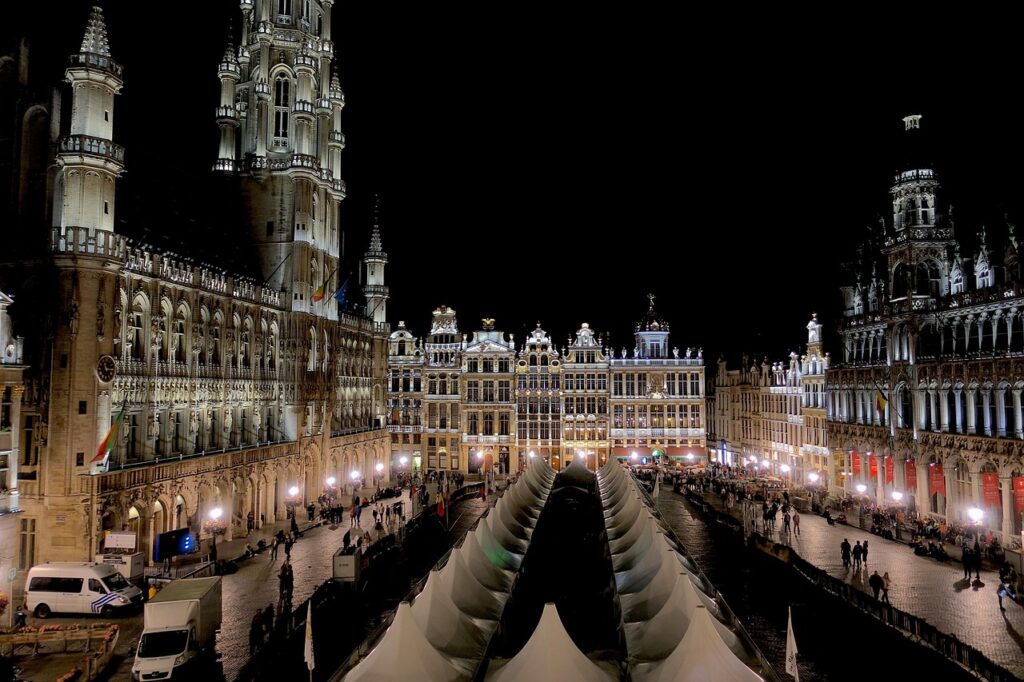 or
or 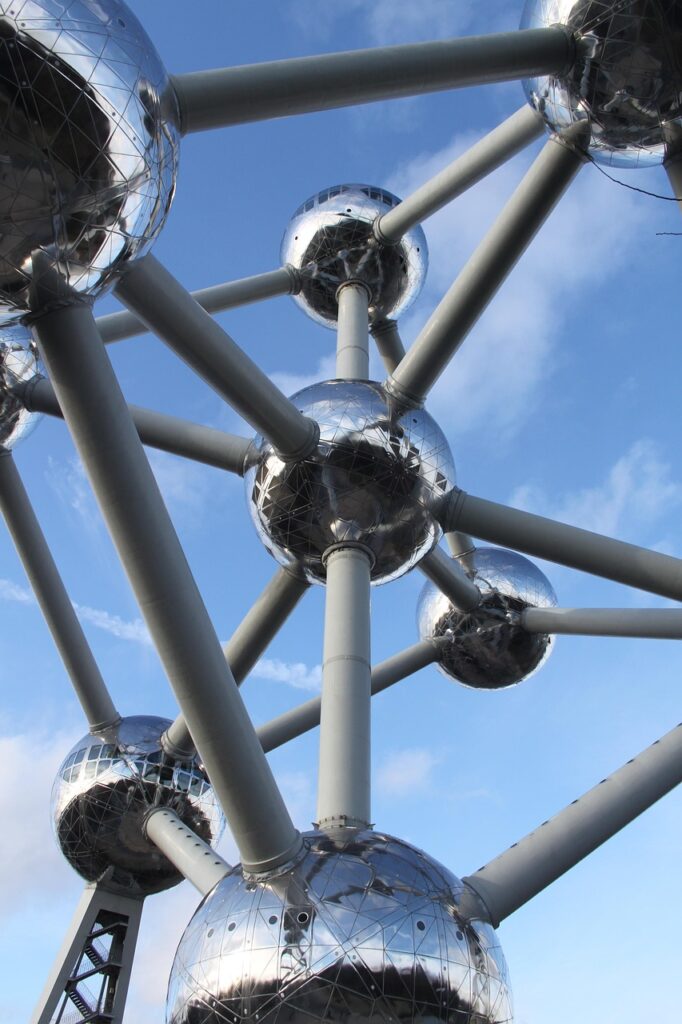 placed throughout this guide will help you anticipate what you’ll see and plan your camera shots. The itinerary is intentionally flexible: adapt it to your pace, the weather and your food cravings. The guiding principles remain the same: authenticity, thriftiness, and immersion. Now lace up comfortable shoes and bring your curiosity — Brussels is waiting.
Day 1 — Morning: Historic center, landmarks and first tastes
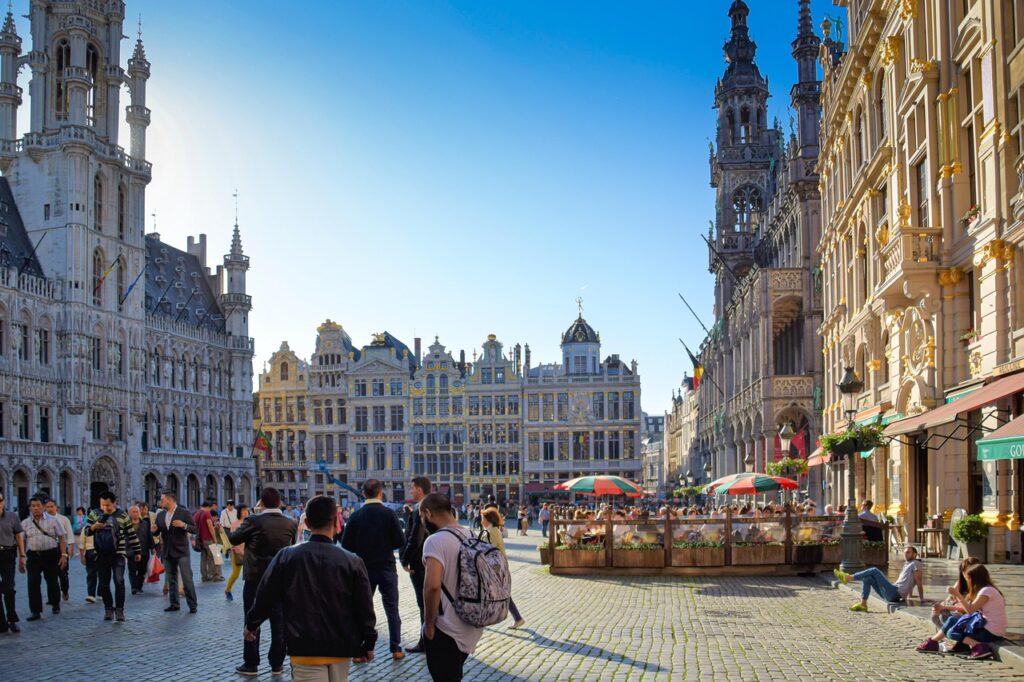
Start your day in the heart of the city to soak up Brussels’ historic soul. Begin at the Grand-Place (Grote Markt), the central square and a UNESCO World Heritage site. Address: Grand-Place / Grote Markt, 1000 Brussels. Open 24/7, visiting the square is free. Look up to admire the Town Hall (note: Rue de la Régence 3 isn’t the Town Hall; the Town Hall address is Hôtel de Ville, Grand-Place 1, 1000 Brussels).
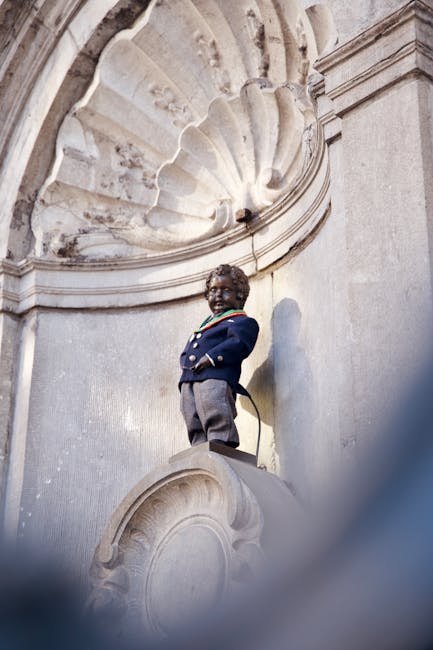
A short walk away is the iconic Manneken-Pis statue. Address: Rue de l’Étuve 46, 1000 Brussels. Visiting is free; try to photograph it early in the morning to avoid crowds. Tip: if you’re curious about its wardrobe, check out the City Museum’s collection — City Museum (Maison du Roi), Grand-Place, 1000 Brussels. Admission: about €8 (check opening hours: generally 10:00–17:00).
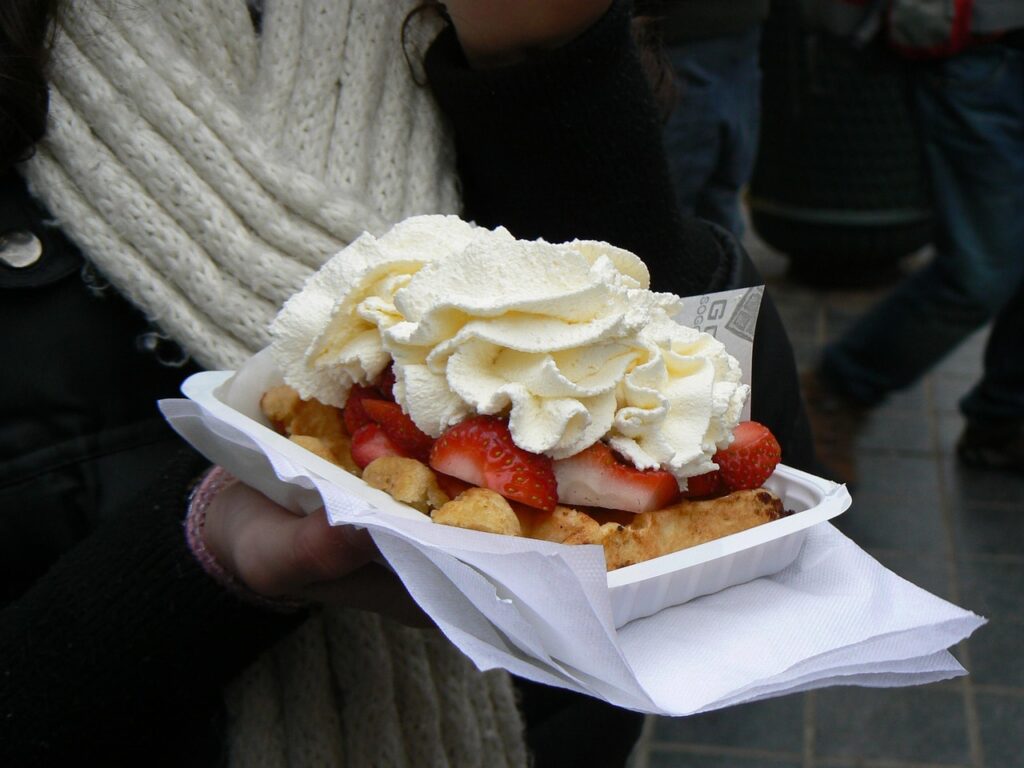
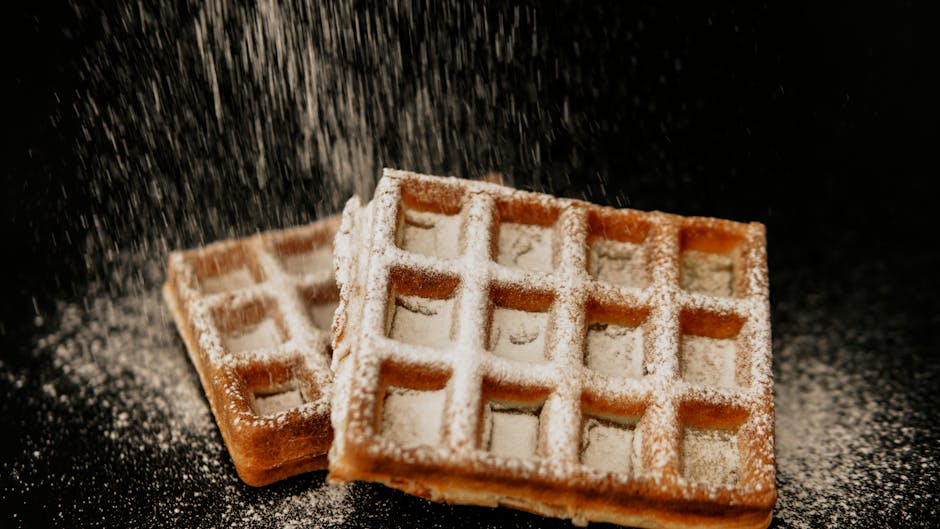
For breakfast, grab a Liège waffle at Maison Dandoy — Address: Rue au Beurre 31, 1000 Brussels. Price: waffles from €2.90. Opening hours: 08:00–18:00. Another budget option is the covered market at Sablon (Place du Grand Sablon, 1000 Brussels) for a takeaway coffee and pastry (around €3–€6).
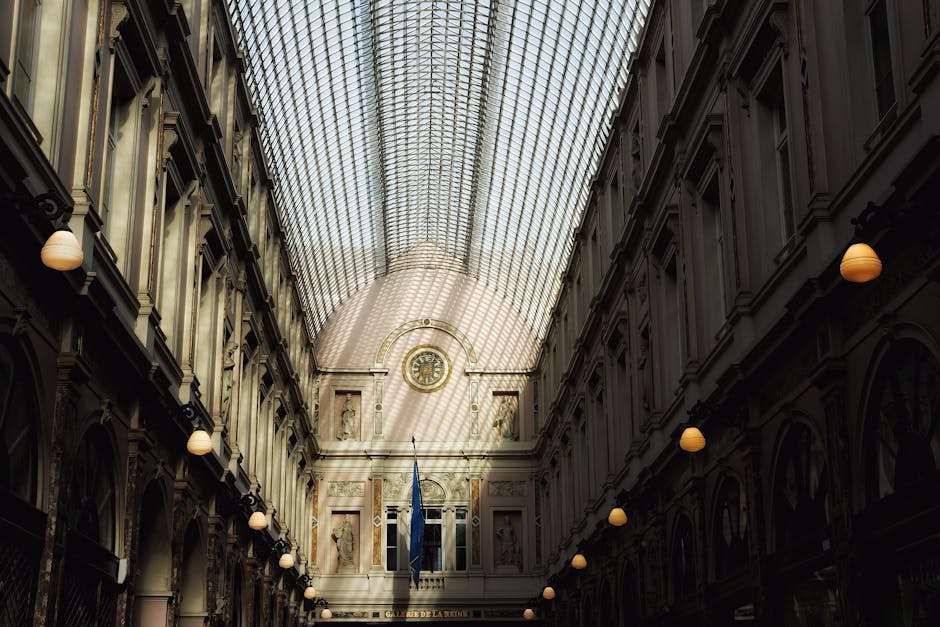
Next, stroll to the Royal Saint-Hubert Galleries for an architectural and culinary treat. Address: Galeries Royales Saint-Hubert, Galerie du Roi 5, 1000 Brussels. Open 09:00–19:00 depending on the shops. It’s a great spot to sample artisan chocolate at reasonable prices (expect €4–€8 for a selection). For a compact nearby museum, the Magritte Museum is at Rue de la Régence 3, 1000 Brussels. Admission: €10–€12 depending on discounts. Typical hours: 09:30–17:00; closed some Mondays.
Approximate morning budget: breakfast €3–€8, drinks €2–€4, museum €10–€12 (optional), transport if needed (STIB ticket €2.10) — morning total ≈ €7–€26 per person. Money-saving tip: walk as much as possible — the center is compact and very walkable, which saves on STIB tickets.
Day 1 — Afternoon & evening: Art, beer and local cuisine
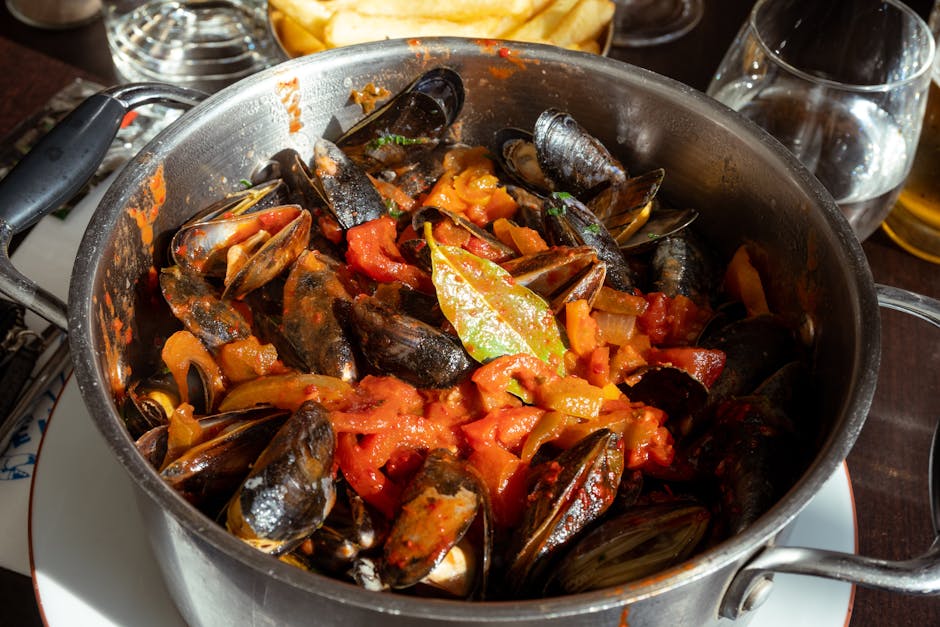
After a market lunch or a meal in a traditional brasserie, spend the afternoon on art and convivial beer culture. For lunch, a classic economical choice is Chez Léon (moules-frites). Address: Chez Léon, Rue des Bouchers 18, 1000 Brussels. Price: moules-frites from €18–€22 depending on the season. Hours: 12:00–22:30. For an even cheaper option, wander Rue des Bouchers where snacks and small brasseries serve dishes from around €10.
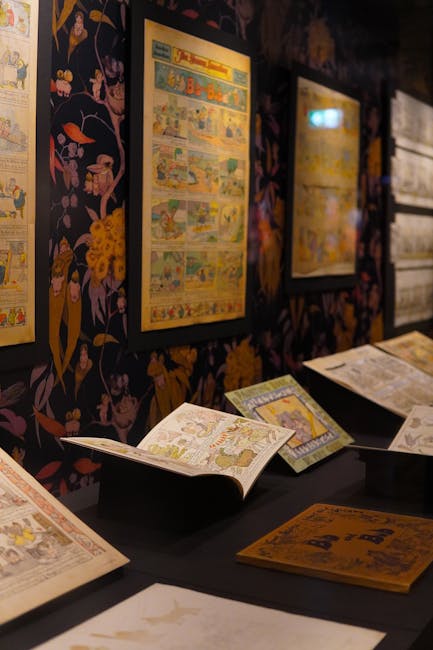
In the afternoon, head to the Belgian Comic Strip Center. Address: Belgian Comic Strip Center, Rue des Sables 20, 1000 Brussels. Admission: about €10–€12. Hours: 10:00–18:00. This museum traces the Franco-Belgian comic tradition (Tintin, The Smurfs, etc.) and is a very Brussels-specific cultural stop. Outside, look for the many comic murals scattered around the city — they’re free and perfect for a photo walk.
Then for a beer experience, go to Delirium Café. Address: Delirium Café, Impasse de la Fidélité 4A, 1000 Brussels. Hours: typically 11:00–01:00 (varies). Prices: local beers €3.50–€7.00 a pint depending on rarity. Tips: avoid peak times (Friday nights), arrive early or be ready to share a table to soak up the authentic atmosphere.
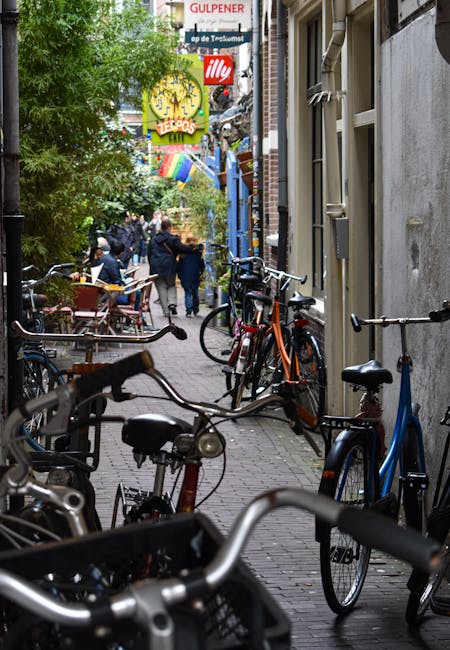
For an affordable, local dinner, look for an estaminet or a small brasserie away from the most touristy streets (Sainte-Catherine neighborhood). Examples: Noordzee Mer du Nord (seafood stand) — Address: Place Sainte-Catherine 6, 1000 Brussels. Fresh seafood snacks from €8. Hours: roughly noon–20:00. Saving tip: share a main dish and supplement with takeaway fries (Belgian fries about €3–€4 from a street vendor).
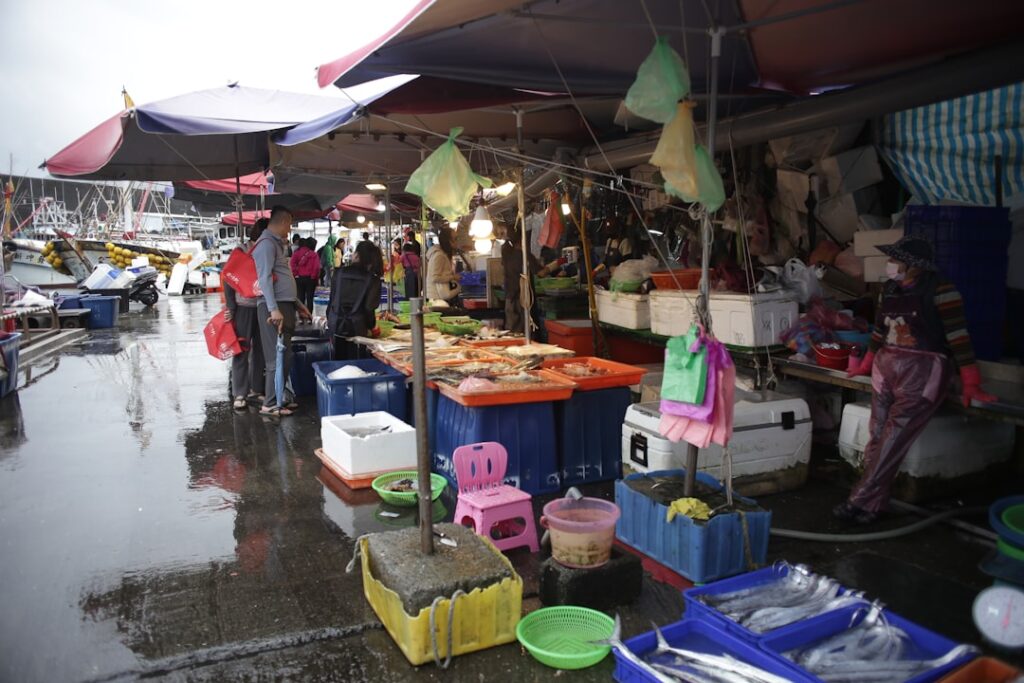
Approximate afternoon/evening budget: lunch €10–€22, museum €10–€12, beer €4–€7, dinner €8–€20 — total approx ≈ €32–€61. Local tip: ask for “a beer on tap” for the beer of the day, and note that cafés sometimes charge separately for service and cutlery (a small extra fee at times).
Day 2 — Morning: Alternative neighborhoods and major museums
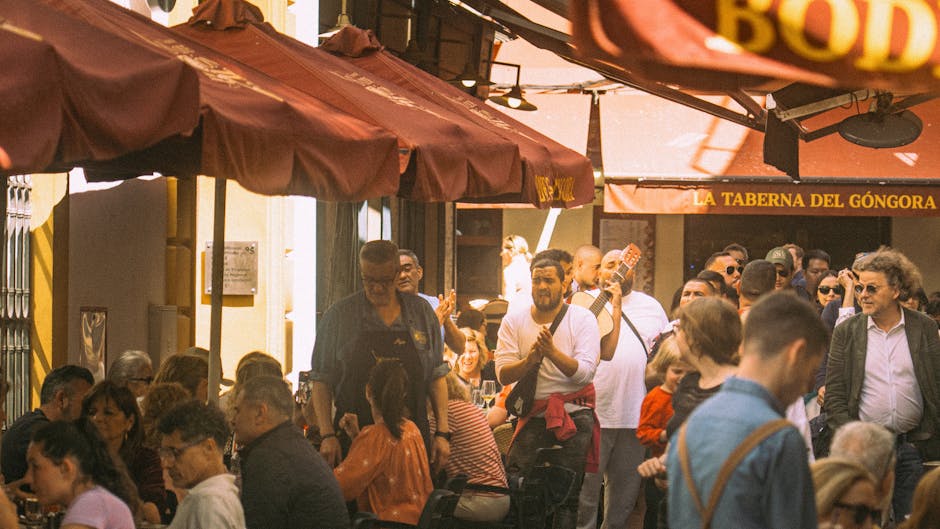
On day two, contrast the center with a more alternative neighborhood and an iconic museum. Start in the Parvis de Saint-Gilles area, known for its boulevards, vintage shops and bohemian cafés. Address: Parvis Saint-Gilles, 1060 Brussels. For breakfast, try a local coffee spot like Café Belga — Address: Place Eugène Flagey 18, 1050 Ixelles. Price: coffee €2.50–€3.50, full breakfast €8–€12. Hours: 08:00–20:00.
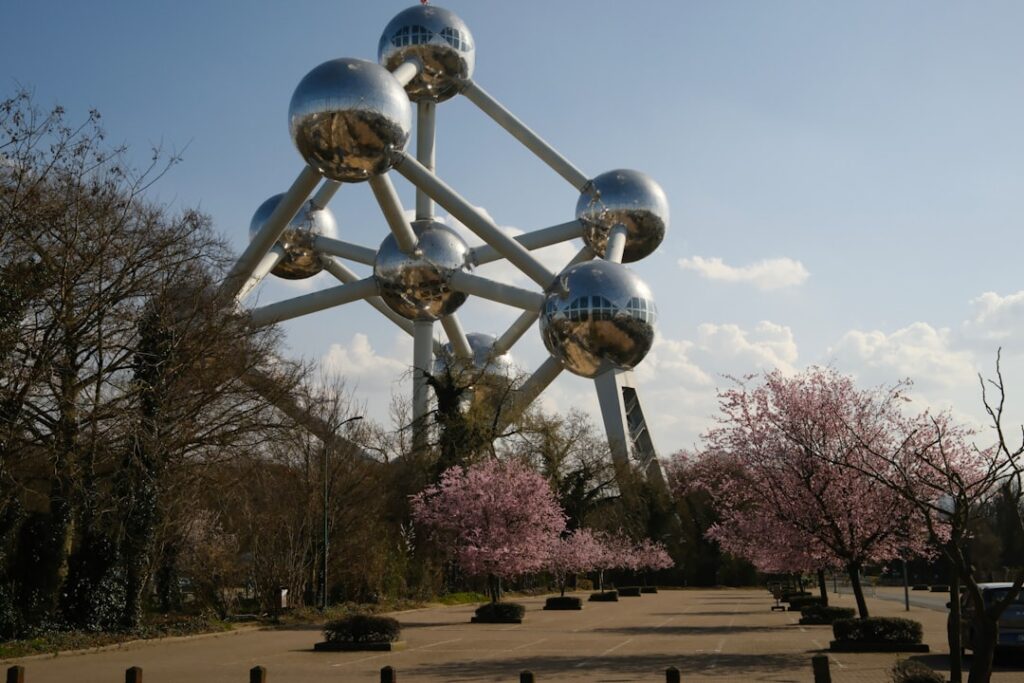
After a stroll, take the tram or metro to the Atomium, Brussels’ futuristic emblem. Address: Atomium, Atomiumsquare 1, B-1020 Brussels. Adult ticket: around €16.50 (price varies with age and temporary exhibitions). Hours: typically 10:00–18:00. The park around it offers great views and photo opportunities; you can also visit Mini-Europe (avenue du Football 1, 1020 Brussels) next door — admission about €16.50. Tip: buy Atomium + Mini-Europe combo tickets online for a small saving (combined rates sometimes ~ €25–€28).
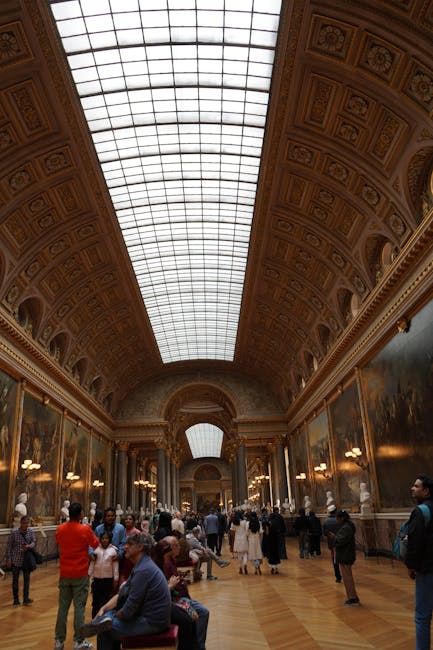
Back in town, if classical art interests you, visit the Royal Museums of Fine Arts of Belgium. Address: Rue de la Régence 3, 1000 Brussels (the museums are grouped in this area). Admission: variable, often €8–€12 for main exhibitions. Hours: 10:00–17:00. For a cheaper approach, some museums offer reduced rates after 15:00 or occasional free monthly evenings — check opening days and promotions online.
For lunch on day two, think sandwich or street food in the Marolles neighborhood. The flea market at Place du Jeu de Balle (Place du Jeu de Balle, 1000 Brussels) is perfect for a quick bite and people-watching. Price: sandwich €4–€7. Market hours: every day early in the morning, with the busiest period from early morning until noon.

Approximate morning budget day 2: coffee €3–€12, Atomium €16.50 (or combo €25–€28), museums €8–€12 — total ≈ €27–€52. Tip: if you plan to visit several museums and use public transport a lot, check the Brussels Card (combined access to many museums and discounts) or a 24h STIB pass.
Budget, transport and practical tips for a budget trip
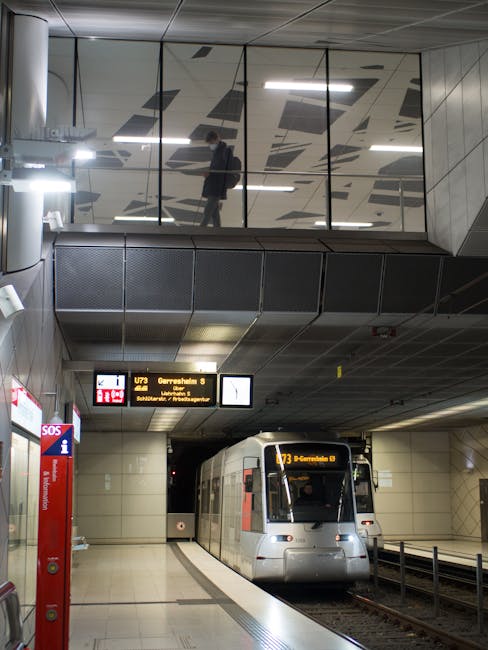
Transport: The STIB network (metro, tram and bus) is extensive. Single ticket (from machines in 2024): €2.10. STIB 24h ticket: about €7.50 (check current fares before you travel). If you arrive at Brussels Airport (BRU), the train to Bruxelles-Central/Bruxelles-Midi is roughly €9.60 per trip (tickets from SNCB machines). For two days, if you plan several tram/metro trips, the 24h pass can be cost-effective.
Budget accommodation: favor hostels, small neighborhood hotels or Airbnb apartments in Ixelles, Saint-Gilles or near Gare du Midi. Price ranges: hostel dorm €20–€40 per night, 2-star hotel €60–€100 per night. Tip: book ahead and look for places with a kitchenette to save on meals.
Meals: For 48 hours budget, plan breakfasts €6–€12 per day, lunches €8–€20, dinners €12–€25. To cut costs: buy fresh groceries at supermarkets (Delhaize, Carrefour Express) or markets, and focus on local snacks (fries €3–€4, waffle €3–€5, sandwich €4–€7). Pocket money for drinks: allow €10–€20 for beers and coffees.
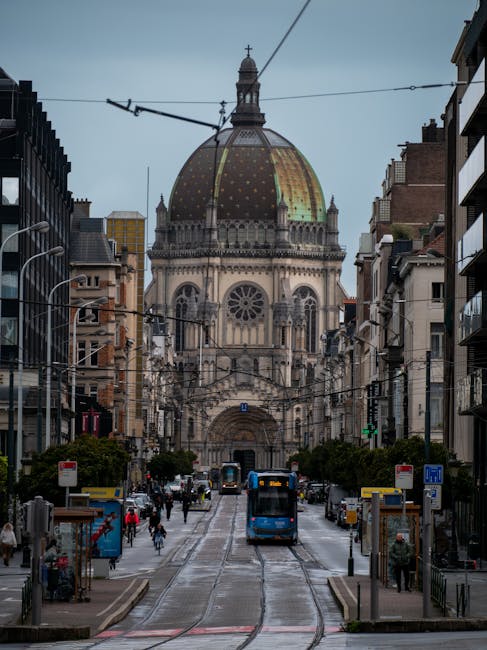
Safety and comfort: Brussels is generally safe, but like any capital, watch your belongings in tourist areas and on public transport. Pickpockets are more active in crowds (Grand-Place, Gare du Midi). In an emergency call 101 for police, 112 for emergency services. Most shops accept cards (Maestro, Visa); still keep some cash for small purchases and market stalls.
Local tips:
– Visit popular sites early in the morning to beat the crowds (Grand-Place, Atomium).
– Try different beers and ask the server for recommendations (average price €4–€6).
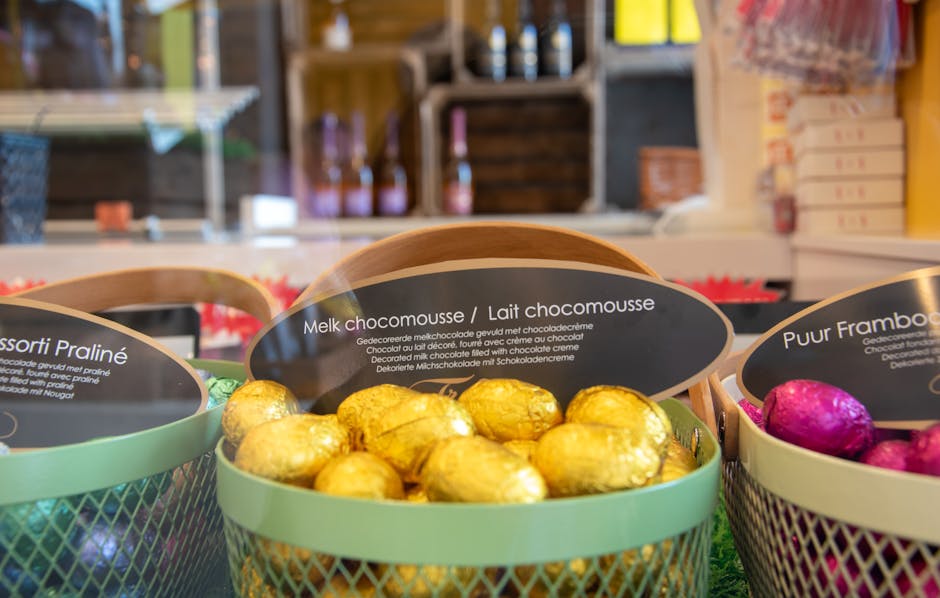
– For chocolates, avoid buying only from shops around the Grand-Place where prices can be inflated; head to artisan shops a little off the beaten path (e.g. Neuhaus, Rue du Marché aux Herbes 2, or Pierre Marcolini, Rue de la Régence 37 — but compare prices: artisan chocolate boxes often range €10–€30 depending on size).
Conclusion
In 48 hours in Brussels you can combine must-sees (Grand-Place, Atomium, Manneken-Pis), targeted cultural experiences (Magritte Museum, Belgian Comic Strip Center), and authentic moments — wandering the arcades, savoring a Liège waffle, sharing a local beer, and hunting for bargains at the Jeu de Balle market. The theme of this budget trip is walking, choosing a few key museums rather than racing through a long list, and optimizing transport with day tickets. Exact addresses and opening hours will help you plan efficiently: Grand-Place (Grand-Place, 1000 Brussels), Atomium (Atomiumsquare 1, B-1020 Brussels), Magritte Museum (Rue de la Régence 3, 1000 Brussels), Chez Léon (Rue des Bouchers 18, 1000 Brussels), Delirium Café (Impasse de la Fidélité 4A, 1000 Brussels), Maison Dandoy (Rue au Beurre 31, 1000 Brussels) and many more.
Budget-wise, expect roughly €80–€160 per person for two days on a budget (basic lodging, local food and a few museums), with room for souvenirs or a nicer meal. To get a more authentic experience, favor places frequented by Brussels residents, avoid strictly touristy restaurants around the Grand-Place at peak hours, and ask servers for recommendations — they often love suggesting a beer or a seasonal dish.
Finally, leave some free time: Brussels is also discovered in the randomness of streets, shop windows and markets. Bring comfortable shoes, a rain jacket (the weather can change fast) and a transport app or map. With a bit of planning and these local tips, your 48 hours in Brussels will be intense, authentic and budget-friendly — a mix of culture, food and friendliness the city offers every curious visitor.