





Introduction: Entry formalities for Belgium — what travelers should know about arriving in Brussels
Coming to Brussels, Belgium’s capital and a political hub of Europe, means dealing with several administrative and practical formalities. Whether you’re here for a short tourist stay, a business trip, a diplomatic mission or a long-term stay, entry rules, required documents, checkpoints and transport options mostly revolve around a few key spots: Brussels Airport (Zaventem), the international train stations (Brussels-South/Midi, Brussels-Central), government offices (Federal Public Service Interior, Immigration Office) and diplomatic missions. Written from a Brussels perspective, this guide lays out the essential things to know before and during your arrival.
It covers visa categories (short-stay Schengen C and national/long-stay D visas), the rules for third-country nationals, the maximum permitted stay (the 90-day rule within the Schengen area over a 180-day period), customs rules, port-of-entry checks, and useful contacts in case something goes wrong. We also detail practical procedures — where to go on arrival, opening hours for key services, known costs and what to do if you lose documents. Additionally, you’ll find precise addresses and local tips to save time (transport from the airport, police desks, immigration counters), plus recommendations to avoid common mistakes (missing documents, insufficient proof of funds, no onward ticket, no proof of accommodation).
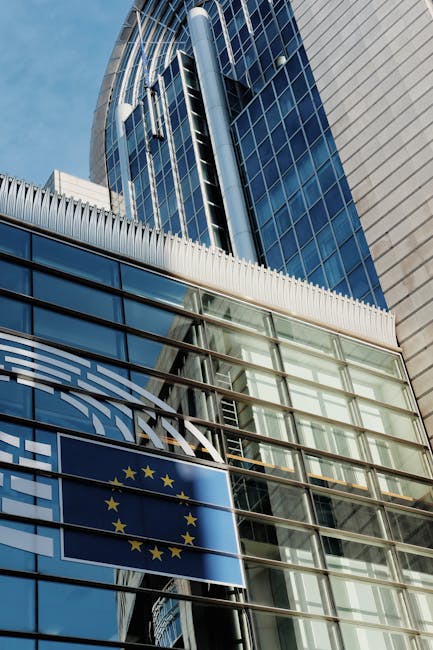
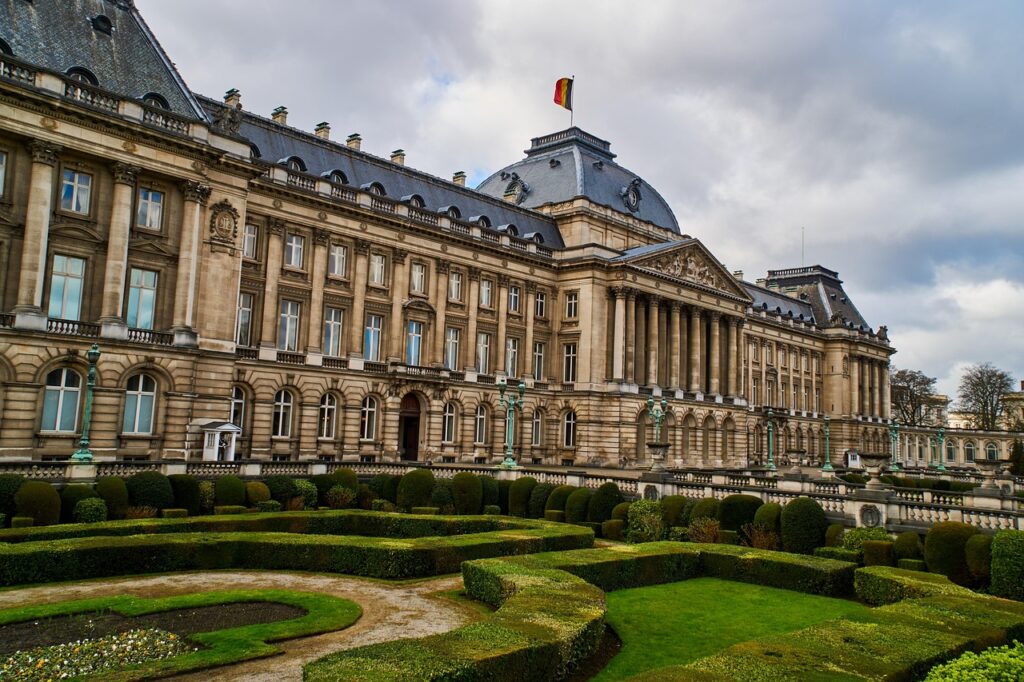
This guide takes a practical approach: it imagines a typical traveler arriving at Brussels Airport (Brussels Airport, 1930 Zaventem) who needs to get to the city center, or an expatriate preparing a residence permit application. You’ll find general opening hours for the services mentioned, common public fees (including Schengen visa costs), names and addresses of public services and transport links, as well as concrete tips for interacting with authorities. Finally, we include visual cues to help you recognize places in real-life situations.
1) General entry rules: visas, exemptions and the Schengen rule
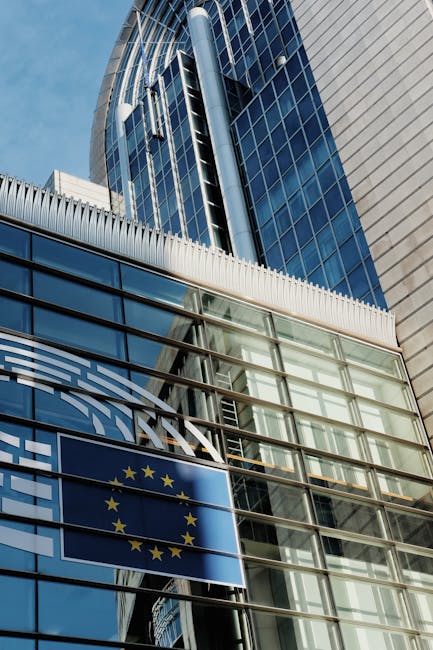
Belgium is part of the Schengen Area. For travelers, that means two main frameworks: rules for passport holders from EU/EEA/Switzerland and rules for third-country nationals. Citizens of the European Union, the European Economic Area and Switzerland do not need a visa; they can enter with a valid national ID card or passport. Non-EU nationals are split into two groups: those exempt from a Schengen visa for short stays and those who must apply for a Schengen visa (type C) or a national visa (type D) before arrival.
The key rule for short stays is the “90/180” rule: a visa-exempt third-country national may stay in the Schengen Area for up to 90 days within a rolling 180-day period. This rule applies across all Schengen countries; you count days spent in any member state over the previous 180 days. If you plan to stay longer than three months, you must apply for a national visa (D) or a residence permit with the relevant Belgian authorities before you travel, unless a bilateral agreement provides an exception.
For Schengen visa applications (short stay), the standard fee is 80 euros for adults (rate current at the time of writing), 40 euros for children aged 6 to 12, and free for children under 6. Commonly required documents include: a valid passport (recommended validity: at least 3 months after your planned departure date), completed application form, recent ID photo, Schengen travel insurance (minimum coverage €30,000), proof of accommodation (hotel booking or invitation letter), proof of financial means (bank statements) and a return ticket or proof of onward travel.
Watch for regulatory changes: ETIAS (European Travel Information and Authorization System) is an authorization system for visa-exempt travelers; depending on regulatory developments, its roll-out may change entry conditions. Always check official sources: the Federal Public Service Foreign Affairs and the official Schengen visa websites.
2) Arriving at Brussels Airport (BRU): checks, addresses, transport and how long to allow
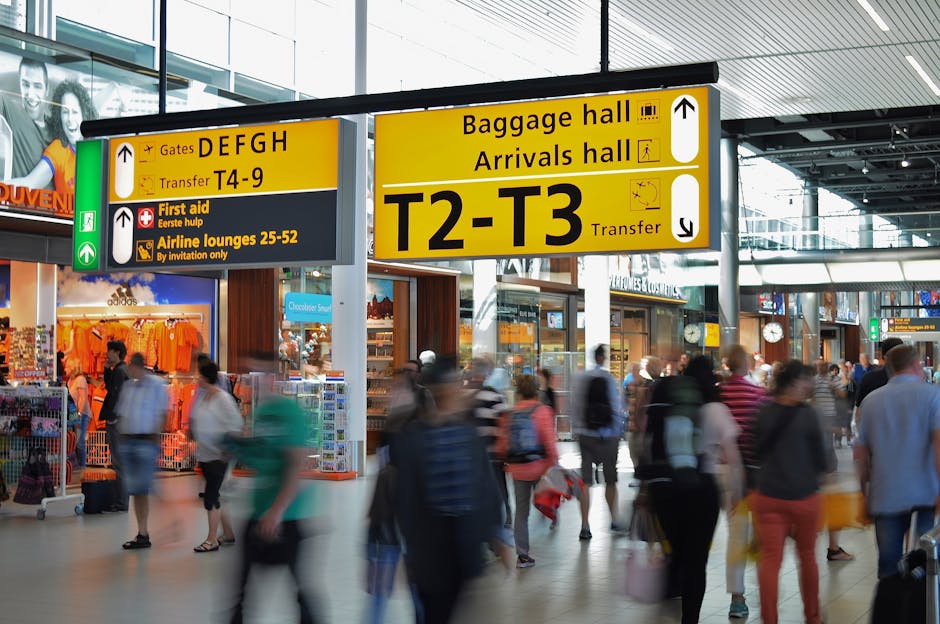
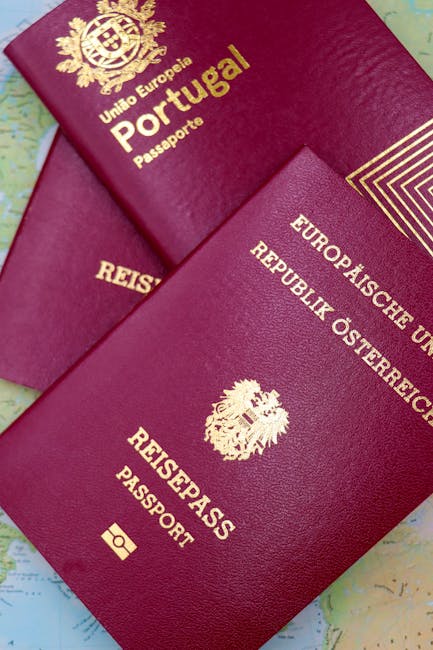
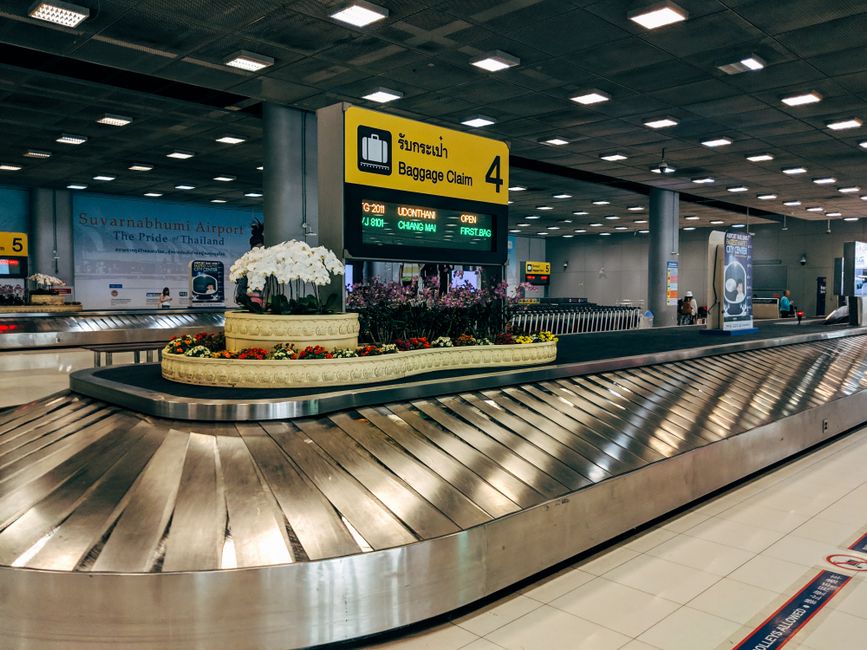
Brussels Airport — commonly called Zaventem — is the main international gateway to Brussels and Belgium. Address: Brussels Airport, Departure and Arrival Halls, 1930 Zaventem, Belgium. International arrivals generally use the Arrivals Level (Level 0). Immigration and customs checks take place in the arrival halls; staff are present around the clock for international flights. Allow at least 45 minutes to 1 hour to clear immigration and collect luggage on international flights, and more during busy periods (Christmas, school holidays, large international events).
Checks: Immigration officers verify the validity of travel documents, intended length of stay, travel insurance and sometimes proof of funds. You may be asked for an exit ticket and the exact address of where you’ll be staying (full hotel name and address or an invitation letter with a full address). At Brussels Airport, checks happen at automated gates and staffed counters. Border Police operate continuously in the Arrivals Hall.
Transport options from the airport:
– Train: Brussels Airport railway station is located under the terminal; SNCB trains link the airport with Brussels-Central, Brussels-South/Midi and Brussels-North. Approximate price: single ticket to Brussels-Central around €9.60 (SNCB fares vary by zone and date). Frequency: trains every 15–30 minutes during daytime. Station address: Brussels Airport Railway Station, Level -1, Brussels Airport, 1930 Zaventem.
– Taxi: official taxi ranks are outside on the Arrivals Level. Approximate fare to central Brussels (Grand Place / Brussels-Central): €45–60 depending on traffic and time of day.
– Bus: De Lijn and TEC services connect to regional destinations; tickets and validity depend on the operator.
Practical tips: keep your documents handy, and scan or photocopy your passport and visa before you leave. If you lose documents or are the victim of theft on arrival, go to the local Police Desk (Police desk — Brussels Airport, Arrivals Hall information desk) and contact your embassy immediately. If you need to handle residence formalities in Brussels (residence permit, registration certificate), book appointments with the relevant Federal Public Service or the local municipality in advance.
3) Visa procedure and formalities in Brussels: addresses, opening hours and where to go
If you need to apply for a visa for Belgium, the procedure depends on the visa type. Schengen short-stay visa applications are usually submitted at Belgian consulates abroad or at Visa Application Centers (VAC) accredited by Belgian authorities. For a national (long-stay) visa, the application may be processed by diplomatic representations abroad or, in some cases, directly by Belgian authorities if you’re already residing in Belgium.
Useful addresses in Brussels:
– Federal Public Service (FPS) Foreign Affairs — Public service & information: Rue des Petits Carmes 24, 1000 Brussels. Indicative opening hours: Monday to Friday, 9:00–12:00 (check for specific services).
– Immigration Office (Office des Étrangers) — main address for some procedures: Rue du Progrès 80, 1035 Schaerbeek (Brussels). Hours: vary by service; many procedures require an appointment. To get a residence appointment, visit the official FPS Interior / Immigration Office website.
– Municipality of residence (Town hall / Maison communale): for residence registration (annex “certificate of welcome” or population register), the address and opening hours depend on the municipality (e.g., Brussels City Town Hall — Maison du Roi, Grand-Place 1, 1000 Brussels).
Typical long-stay visa procedure:
1. Gather your documents (passport, photos, insurance, proof of income/employment, work contract or university enrollment, proof of accommodation).
2. Submit your application at the consulate or VAC abroad. Pay the applicable fee (fees vary — national visas can exceed €100 depending on the case).
3. Once the visa is issued and you enter Belgium, you must register with the municipality of residence within 8 days of arrival (depending on the type of stay) to obtain a temporary residence document and later a residence card (card A or other residence card).
Tips: keep both printed and digital copies of all supporting documents. For asylum seekers or sensitive cases, contact the Reception Service for Asylum Seekers (Fedasil) and local support services. For specific questions, call the official FPS Foreign Affairs number or consult the official webpages before you travel — opening hours and fees can change.
4) Customs, goods to declare and health regulations
On arrival, in addition to immigration checks, some travelers must comply with customs formalities. Belgian customs rules follow EU guidelines: allowances for alcohol and tobacco, limits for importing cash (€10,000 and over must be declared), and rules on animal and plant products. There are two channels on arrival: the green channel (nothing to declare) and the red channel (goods to declare).
Examples of limits and obligations (general information):
– Cash: any amount equal to or greater than €10,000 in cash must be declared to customs authorities.
– Animal-origin food: generally prohibited or strictly controlled (e.g., cold cuts, unpasteurized cheeses); check rules for private importation.
– Restricted items (drugs, weapons, certain medical products): strictly forbidden without authorization.
On health matters, since the COVID-19 pandemic temporary measures have sometimes been in place; at the time of your trip, check health entry conditions (vaccination, testing) on official sites. For medication: bring prescriptions and, if needed, a doctor’s note in English or French. For pets, Belgium requires a European pet passport for animals coming from EU countries and a health certificate for third countries; microchipping and rabies vaccination must be up to date.
Where to declare if in doubt:
– General Directorate of Customs and Excise (Customs Office): Brussels Airport — Customs Office, Arrivals Hall. Staff can help you complete a declaration. If items are seized or in doubt, follow the officer’s instructions and keep all receipts.
– To report loss or theft of medical documents or luggage containing medication, contact airport police (Airport Police Desk, Arrivals Hall); reference address: Brussels Airport, Arrivals Hall, 1930 Zaventem.
5) Practical tips and useful contacts in Brussels: accommodation, transport and assistance
Brussels is an organized city, but the smoothness of administrative steps often depends on preparation. Here are contacts, addresses and local tips to save time and avoid mistakes.
Getting around the city:
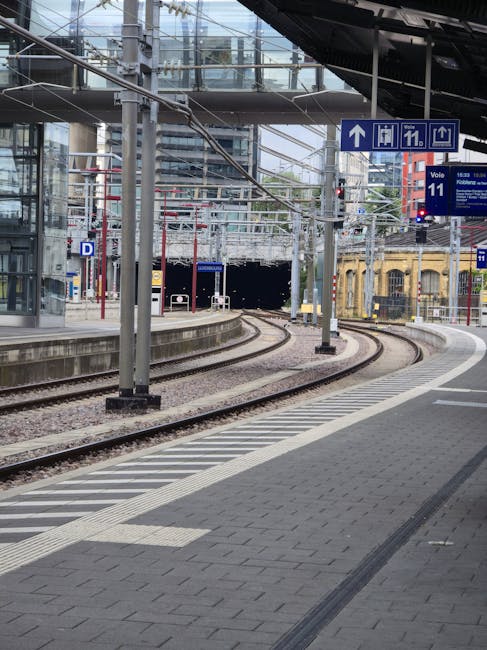
– Brussels-South/Midi station (Bruxelles-Midi / Bruxelles-South) — address: Place François Boulanger 1, 1060 Saint-Gilles. This station serves many international trains (Thalys, Eurostar, ICE). Hours: ticket counters and main services open early to late; train frequency varies by destination. Indicative price: local shuttle and intercity fares vary; for example, an SNCB ticket to Brussels-Central costs around €2.50–4.00 depending on zone and type.
– STIB (Brussels Intercommunal Transport Company) — tram, bus and metro network: rechargeable MOBIB cards; single ticket approx. €1.90 (indicative) for a one-hour trip on the STIB network. 24- or 48-hour passes are available (prices vary; check stib.brussels for up-to-date fares).
Accommodation and registration:
– If you’re staying in a hotel, keep your booking confirmation (exact name, full address). Example of a central hotel: Hotel Amigo, Rue de l’Amigo 1-3, 1000 Brussels (Grand-Place) — 24-hour reception, convenient address if you need to prove temporary residence.
– For stays with a private host, an invitation letter (« certificate of welcome ») must include the full name, exact address and a copy of the Belgian host’s ID card. The municipality may require the host’s presence to register the visitor’s arrival.
Emergency contacts and assistance:
– Federal/local emergency number in Belgium: 112 (fire, ambulance, police).
– Brussels Airport Police: Brussels Airport Police Desk, Arrivals Hall (continuous presence).
– Your embassy or consulate: note the address before you travel. If your country has a mission in Brussels, search for “Embassy of [your country] in Brussels” for the exact address and opening hours.
Local tips:
– Avoid displaying sensitive documents in public. Make photocopies of your passport and keep a digital backup.
– Arrive with proof of sufficient financial means (printed bank statement); officers may ask to see funds for the duration of your stay.
– If you need to register for a residence permit, book your municipal appointment online in advance: many town hall services operate by appointment only.
Conclusion: Preparing your arrival in Brussels — summary and final recommendations
In short, preparing your entry formalities for Belgium — and specifically for Brussels — is the best way to ensure a smooth trip. Key takeaways: know whether you need a visa (Schengen C for short stays or national D for long stays), respect the 90 days in 180 days Schengen rule, gather all required documents (valid passport, insurance, proof of accommodation and proof of funds), and allow enough time on arrival to clear checks at Brussels Airport (Brussels Airport, 1930 Zaventem) or at international rail border posts.
Keep handy the useful addresses and organizations: Federal Public Service Foreign Affairs (Rue des Petits Carmes 24, 1000 Brussels) for consular information; Immigration Office (Rue du Progrès 80, 1035 Schaerbeek) for some immigration procedures; Brussels-South/Midi station (Place François Boulanger 1, 1060 Saint-Gilles) if you arrive by international train. Always keep copies of your documents, scan your passport and visas, and save emergency numbers and your embassy’s contact details. Recurring expenses to anticipate include the Schengen visa fee (€80 for adults, €40 for children aged 6–12, free <6) and transport costs (e.g., BRU → Brussels-Central train ≈ €9.60; taxi BRU → city center ≈ €45–60).
Finally, stay aware of regulatory updates: systems like ETIAS, changes in health policy or fee adjustments can alter entry conditions. For specific questions about your situation (work visas, family reunification, studies), consult the official FPS Foreign Affairs website and make an appointment with the competent diplomatic representation before you travel. Good administrative preparation will let you enjoy what Brussels has to offer: cultural riches, European institutions, tasty street food and diverse neighborhoods — without arrival-day stress.