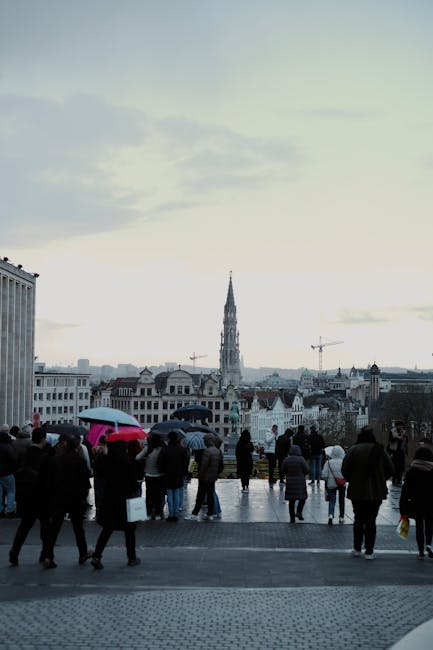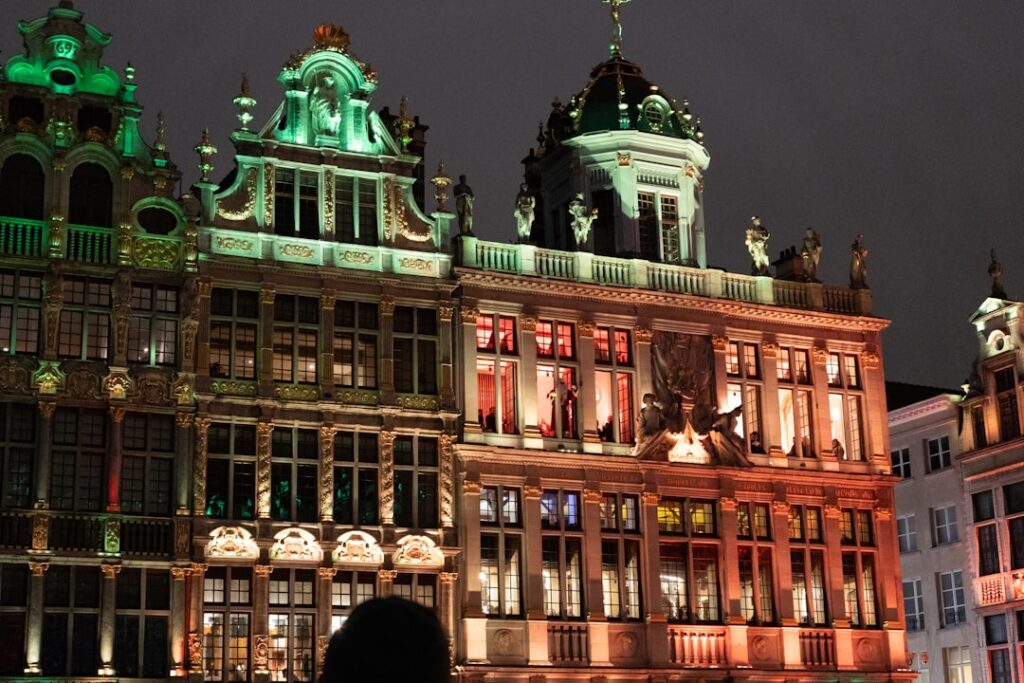






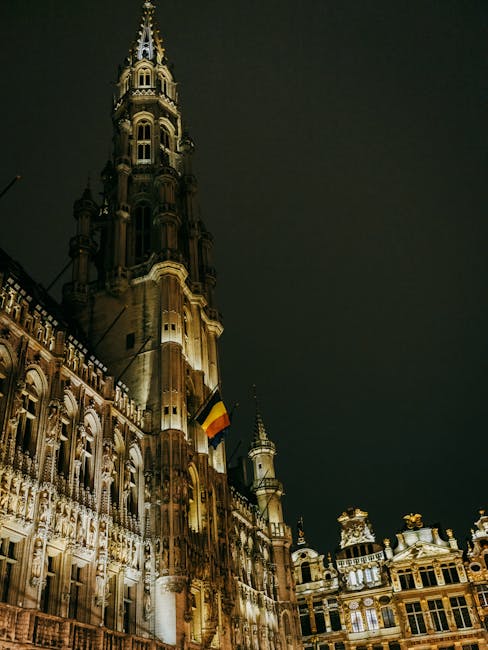
Introduction — Why explore Brussels with soft mobility
Brussels, Belgium’s capital and the administrative heart of Europe, is perfectly set up for soft mobility. Between wide cobbled squares, leafy parks, street art and pedestrian-friendly neighborhoods, the city has a dense web of public transport, bike lanes and micro-mobility options. Choosing the metro, a bike or an e-scooter not only reduces your carbon footprint, but lets you experience the city from a local’s perspective: smell coffee from a square, stop for hot fries or poke into hidden alleys without the hassle of parking. This guide lays out practical routes, exact addresses, updated hours and cost estimates to plan your daily rambles or an afternoon of sightseeing.
Below you’ll find practical information on: the STIB network (metro, tram, bus) — lines, frequencies and fares; the Villo! bike share — where to find docks, how it works and tips to make the most of your ride time; and shared e-scooters (Dott, Lime, Bolt) — permitted zones, real costs and safety rules. Each section includes sample routes (for example: Central Station → Grand Place → Manneken Pis → Mont des Arts → Magritte Museum → Cinquantenaire Park), with exact addresses, estimated durations and local tips (best times to avoid crowds, areas to favour in the evening, parking rules for ending your trip).
The suggested routes use well-known landmarks: Grand-Place (Grote Markt, 1000 Brussels), the Atomium (Atomiumsquare, 1020 Laeken), Cinquantenaire Park (Parc du Cinquantenaire, 1000 Brussels), Brussels-South Station (Bruxelles-Midi / Brussel-Zuid, Place de la Gare 1, 1000 Brussels) and the Magritte Museum (Rue de la Régence 3, 1000 Brussels). You’ll also find practical tips — how to buy a STIB ticket, how to unlock a Villo!, where to charge a private e-scooter, and which streets to avoid at rush hour to reduce frequent stops. There are fare indications in euros and opening/closing windows so you can plan your days with no surprises.
This guide is aimed at both short-term visitors and locals looking to diversify how they get around. With soft mobility, Brussels becomes a city you can cover on foot, pedal or with a measured electric throttle. Expect to walk a bit, pedal along the canal or wander through Art Nouveau districts, and enjoy a capital where every trip can turn into a small discovery.
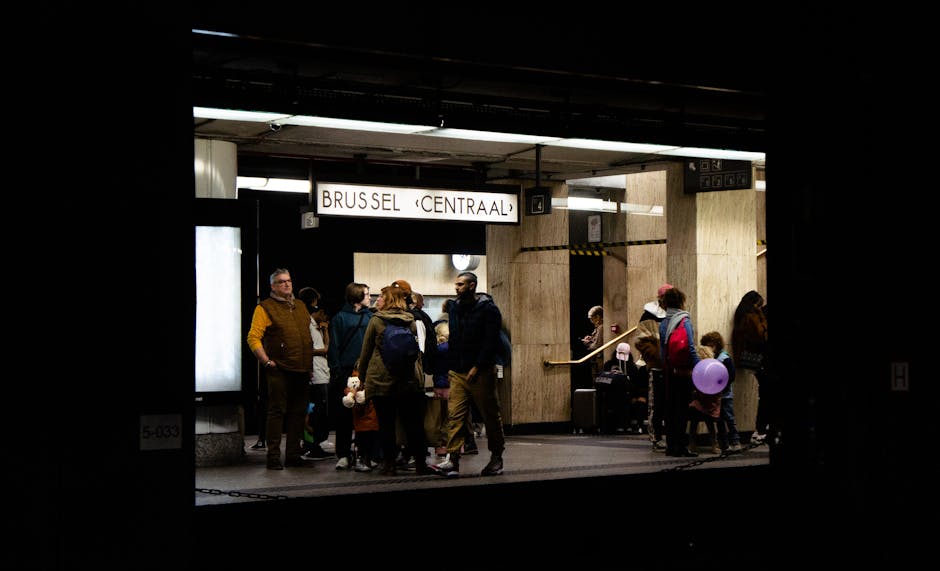
Getting around Brussels by metro: lines, tickets, schedules and useful routes
The STIB network (Brussels Intercommunal Transport Company) is the backbone of collective soft mobility in the city. The metro has four main lines numbered 1, 2, 5 and 6 (historical variants 1A/1B) and two so-called deep lines 3 and 4 are being extended, complemented by a dense tram and bus network. Line 1/5 runs east-west (Gare de l’Ouest / Stockel). Line 2/6: a peripheral loop passing Simonis, Yser and Brussels-South. Lines 3/4 serve the north-south axis and cross rapidly developing areas.
Fares (indicative — check before you travel): a single STIB « 1 hour » ticket valid for 60 minutes from first validation, all transfers included: €2.70 (buy at a ticket machine, counter or in the app). 24-hour pass (Tourist Ticket): often offered around €7.50 — valid on the STIB network for 24 consecutive hours. Subscriptions and MOBIB cards are available for longer stays. Tickets are sold at station machines, STIB ticket points or via the official STIB mobile app.
Schedules: the metro generally runs from 5:30 to 0:30 on weekdays, with more frequent departures at peak times (every 4–8 minutes). On Friday and Saturday nights some lines run later and Night Buses cover overnight services. For quick connections, allow a 5–10 minute buffer to change lines at central hubs (Central Station, Arts-Loi/Arts-Loi, Schuman).
Sample routes:
- Central Station → Grand-Place → Manneken Pis: Central Station (Bruxelles-Central, Place de la Gare, 1000 Brussels) is served by many lines. Exit at the « Central » station and walk 2–3 minutes to Grand-Place (Grote Markt, 1000 Brussels). Continue to Rue de l’Étuve 46 for Manneken Pis. Estimated time: 10–15 minutes depending on foot traffic.
- Schuman → European Parliament → Cinquantenaire Park: The « Schuman » station (1040 Etterbeek) serves the European institutions. Walk 6–8 minutes along Rue Belliard to Cinquantenaire Park (Parc du Cinquantenaire, 1000 Brussels). Great in late afternoon for sunset photos.
- Brussels-South → Avenue Louise → Magritte Museum: Take the metro or tram from Bruxelles-Midi (Place de la Gare 1, 1000 Brussels) toward the « Louise/Louiza » stop (Avenue Louise), then walk or hop on a tram to reach the Magritte Museum, Rue de la Régence 3, 1000 Brussels.
Local tips: avoid rush hours (8:00–9:30 and 17:00–18:30) if you’re traveling with large luggage; keep your ticket until you exit (controls are frequent); for short tourist trips a day pass is often cheaper than multiple single tickets. Use central stations (Central, North Station, South Station, Arts-Loi/Arts-Loi, Schuman) as starting points to explore efficiently.
Exploring Brussels by bike — Villo!, recommended routes and practical tips
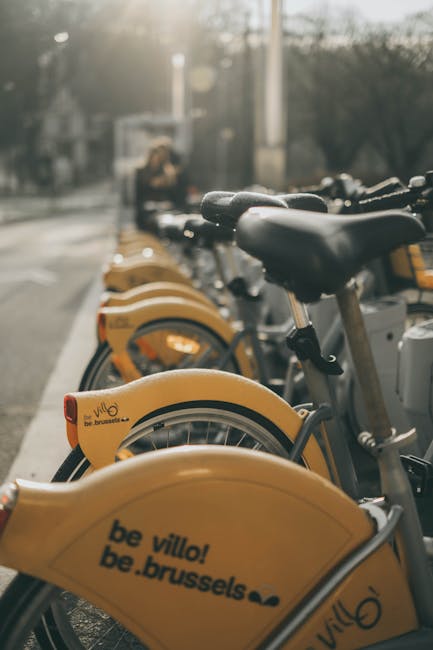
Cycling is one of the most pleasant — and often fastest — ways to discover Brussels. The city’s municipal bike-share service is called Villo! and has hundreds of stations across the Brussels-Capital Region. A few handy stations to remember: Villo! station « Grand-Place / Grote Markt » (approx. Rue du Marché aux Herbes, 1000 Brussels), Villo! station « Bruxelles-Midi / Gare du Midi » (Place de la Gare, 1000 Brussels), Villo! station « Parc du Cinquantenaire » (Avenue de la Joyeuse Entrée, 1000 Brussels).
Villo! fares (typical examples — check the app): 24-hour pass: €1.00 (unlimited unlocks) + first 30 minutes included, then €0.50 per additional 30-minute block. Annual subscription: usually around €50–55 (varies by year). Villo! electric bikes (Villo! e-bike) carry an extra charge by minute or time block; typically around €0.15–0.25/min depending on current policy.
Hours: Villo! is available 24/7; stations operate year-round. Bikes are accessible via the Villo! app, by compatible bank card or MOBIB badge at some stations. Before setting off, check the chain, handlebars, brakes and tyre pressure. Wear a helmet if you can — it’s not mandatory for adults in Belgium but recommended — and equip front and rear lights at night (required by law).
Recommended cycling routes:
- Canal & Sablon route (1–2 hour ride): Start at Brussels-South (Place de la Gare 1), follow Boulevard Poincaré to reach the Brussels-Charleroi Canal, use the cycle paths along the quay, then head to the Sablon district (Place du Grand Sablon, 1000 Brussels) for antiques and chocolatiers. Recommended stop: Wittamer Chocolatier (Rue du Lombard 1, 1000 Brussels) for a tasty break.
- Art Nouveau & Avenue Louise route (1.5–2 hours): Cycle toward Avenue Louise (Avenue Louise, 1050 Brussels), admire Art Nouveau facades, visit the Horta Museum (Rue Américaine 23, 1060 Brussels — check opening times) and loop back toward Brussels Park.
- Atomium & Laeken route (2–3 hours): For a longer outing, take a Villo! from the center and pedal northwest to the Atomium (Atomiumsquare, 1020 Laeken). Expect 30–40 minutes depending on route and traffic. Stop at Laeken Park (Avenue du Parc Royal) for photos.
Practical tips: stick to marked bike lanes (Avenue Louise, Boulevard Anspach, along the canal), avoid very slippery cobbles when it rains, and return the bike properly to a Villo! dock to avoid extra charges. In bad weather e-bikes help with hills but drain battery faster; plan docks within reach to secure your return.
E-scooters in Brussels — operators, fares, rules and safe routes
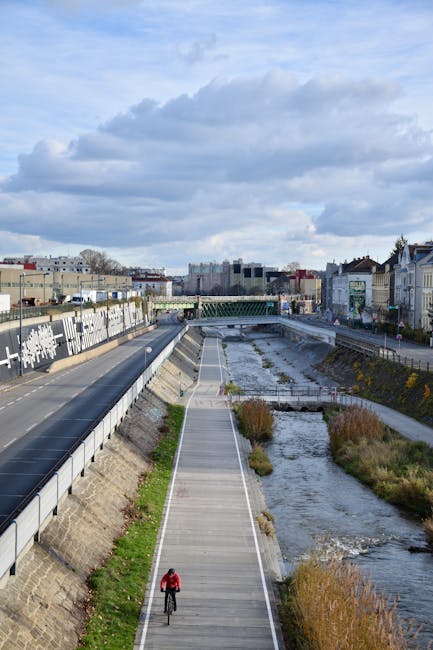
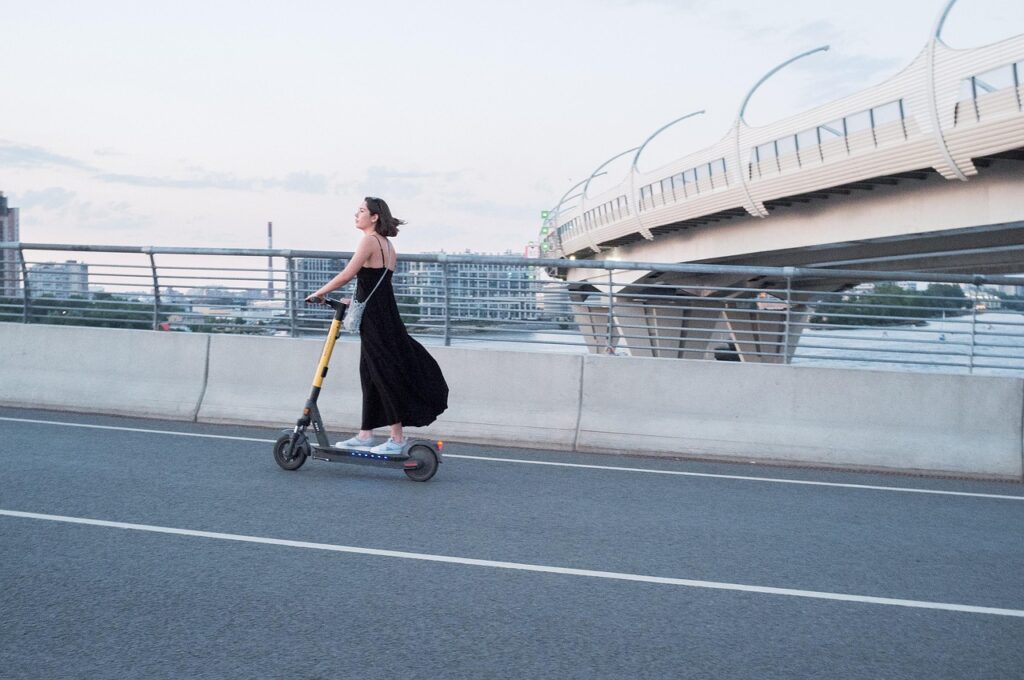
Electric micro-mobility has boomed in Brussels in recent years. The main operators are Dott, Lime and Bolt (availability depends on zone). E-scooters are great for short, efficient trips but require caution: narrow pedestrian areas, cobbles and speed limits (usually 20 km/h in shared zones, sometimes 6–10 km/h on pedestrian sidewalks). Riding on sidewalks is generally forbidden; prefer bike lanes and quieter streets.
Indicative fares (examples):
- Dott: unlock €1.00 + €0.25/min.
- Lime: unlock €1.00 + €0.23–0.30/min depending on current pricing.
- Bolt: unlock €1.00 + €0.20–0.25/min.
Availability hours: scooters are available 24/7 in free-floating mode, subject to local rules. Some zones (historic centers or large pedestrian areas) may impose night-time restrictions — check the operator’s app. Scooters tend to concentrate around Central Station (Place de la Gare, 1000 Brussels), Grand-Place, Avenue Louise and the main railway stations.
Recommended e-scooter routes:
- Central Station → Grand-Place → Mont des Arts → Magritte Museum: a short 5–10 minute ride. Prefer wider streets (Rue de la Régence toward Mont des Arts, 1000 Brussels) and descend slopes slowly to keep control on slippery cobbles.
- Avenue Louise → Tenbosch Park → Ixelles Ponds: a greener route in the city’s southern quarter with less motor traffic and several continuous cycle lanes.
- Canal → Tour & Taxis → North Station: follow the canal for a straight run, useful to reach Tour & Taxis (Avenue du Port 86C, 1000 Brussels) and its broad quays.
Safety tips: wear a helmet, obey priority rules and stop signs, park the scooter in designated zones (marked parking areas) or neatly by the curb without blocking pedestrians. In rain, slow down and avoid metal plates and wet cobbles. To charge a private scooter, use secure outlets at home or opt for removable batteries on some models.
Combining metro, bike and e-scooter: day-by-day route examples and logistics tips
Mixing transport modes is often the best strategy to save time and get the fullest experience. Here are practical day plans with addresses, approximate durations and combination tips.
Day 1 — Historical highlights (same day, relaxed pace)
- Start: Central Station (Bruxelles-Central, Place de la Gare, 1000 Brussels) — grab a Villo! or an e-scooter to quickly reach Grand-Place (Grote Markt, 1000 Brussels).
- Sightseeing: Grand-Place → Maison du Roi (Rue du Marché aux Fromages/Larengstraat) → Manneken Pis (Rue de l’Étuve 46). Lunch around Rue des Bouchers (1000 Brussels).
- Afternoon: head up to Mont des Arts, Magritte Museum (Rue de la Régence 3) — walk or scoot. Return by metro from « Central » station if you’re tired. Total duration: 4–6 hours.
Day 2 — Green & contemporary (mixed tour)
- Start: Take metro line 2/6 toward « Merode » / « Schuman » (depending on your origin). Visit Cinquantenaire Park (Parc du Cinquantenaire, 1000 Brussels), then rent a Villo! to ride down Avenue de Tervueren toward the European Quarter (Rue de la Loi, 1000 Brussels).
- Sightseeing: European Parliament (Rue Wiertz 60, 1047 Brussels) and surroundings. Coffee break at Place du Luxembourg.
- Return: tram or metro from Schuman or Merode. Duration: 3–5 hours.
Day 3 — Laeken & the Atomium expedition
- Start: metro or train to Bruxelles-Nord / North Station, then Villo! or e-scooter to the Atomium (Atomiumsquare, 1020 Laeken). Expect 30–40 minutes from the city centre.
- Sightseeing: Atomium, Mini-Europe (Avenue du Ballon, 1020 Brussels) and Laeken Park. Lunch options at the Atomium or on the square.
- Return: Villo! back to the centre — remember to recharge e-bike battery at the end of the day if needed.
Logistics tips:
- Multi-mobility apps: install STIB, Villo!, Dott/Lime/Bolt and Google Maps or Citymapper to combine routes and compare time/cost.
- Safety and insurance: check the operator’s insurance coverage for e-scooter accidents. For regular cycling, personal insurance can be useful if you plan to ride often.
- Parking: always return your Villo! bike to an official dock to avoid extra charges; leave scooters in authorised zones or at curb corners where they don’t block pedestrians.
- Daily budget: for a typical visitor, count on €10–20 per day if you mix metro (€2.70 single or ~€7.50 day pass) and short scooter/bike rides (a few extra euros depending on duration).
Conclusion — Making Brussels human-scale with soft mobility
Embracing soft mobility in Brussels changes the way you discover the city: every trip becomes an opportunity to meet people, take photos or stop for a snack. The STIB network covers longer distances and saves time, while Villo! and e-scooters add ideal flexibility for exploring neighbourhoods. The practical info in this guide — exact addresses (Grand-Place, Rue de l’Étuve 46, Atomiumsquare 1020 Laeken, Rue de la Régence 3, Place de la Gare 1), typical hours (metro 5:30–0:30, Villo! 24/7), and indicative fares (STIB ticket €2.70, 24h pass ~€7.50, Villo! 24h ~€1.00 + 30-min blocks, scooters unlock ~€1.00 + €0.20–0.30/min) — will help you plan efficient and pleasant days.
Final tips: download the official apps (STIB, Villo!, Dott/Lime/Bolt), follow safety rules (helmet recommended, slow down on cobbles and in pedestrian zones) and stay flexible: sometimes walking reveals hidden gems that aren’t visible from a tram line. Also factor in the weather — Brussels can be rainy, so bring a light windbreaker and plan alternative routes.
Whether you’re here for a weekend or a few weeks, soft mobility in Brussels gives you the freedom to smell, see and taste the city at your own pace. By combining a fast metro, shared bikes and e-scooters for short hops, you’ll save time, lower your environmental impact and fully enjoy the vibrant atmosphere of the European capital.