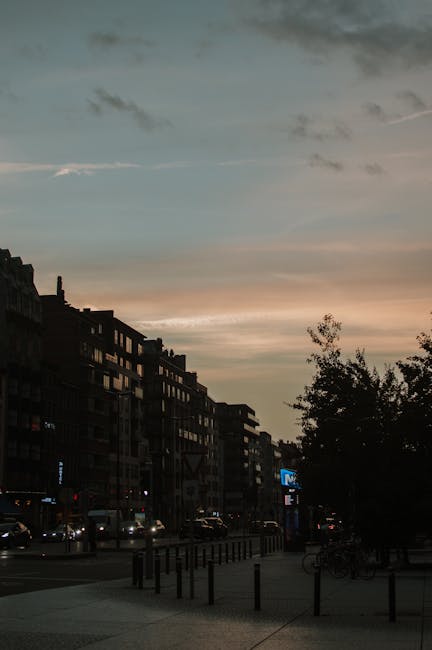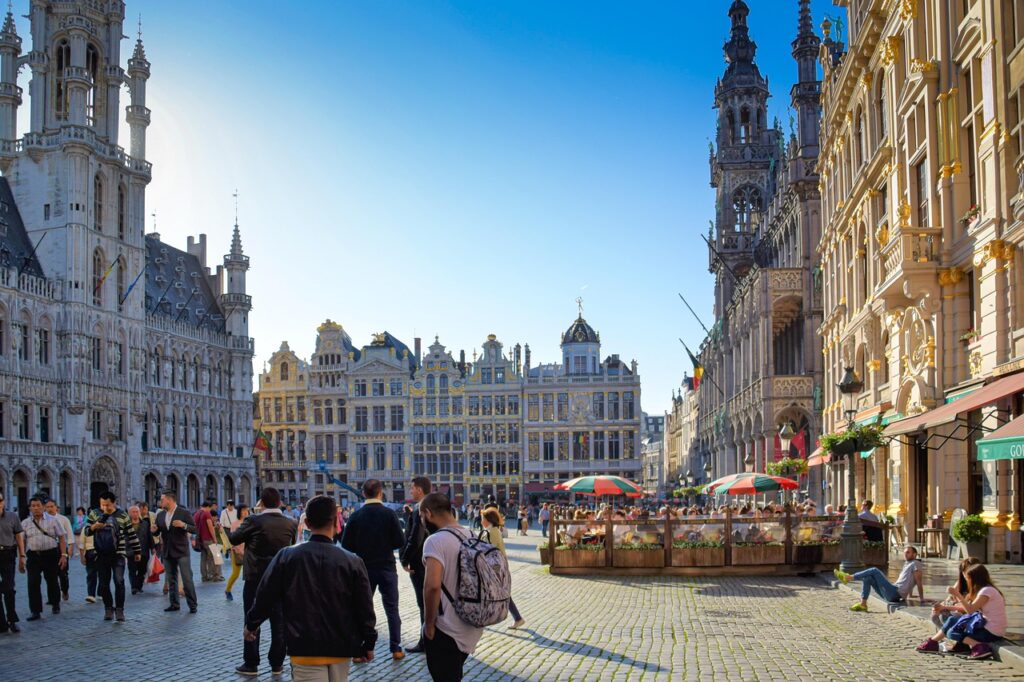






Introduction: A tight but thorough itinerary to experience Brussels in one day
Brussels is a compact capital packed with monuments, museums and strikingly varied architecture. In just one day you can sample the highlights—provided you follow a well-paced, well-planned route. This guide gives you a professional, detailed walk-through of the 10 must-see sights in Brussels for a one-day visit, including exact addresses, practical info (opening hours, prices), immersive descriptions and local tips to make each stop efficient and memorable. Whether you’re in transit, on a layover or simply short on time, this plan helps you make the most of the city without sacrificing quality.
The ideal day starts early: from the baroque sparkle of the Grand Place to the sleek curves of the Atomium, passing through covered arcades, comic art museums and royal parks—each stop shows a different side of Brussels. We chose places easy to reach on foot or by public transport, favoring proximity and geographic logic to cut down on travel time. For each of the 10 sights you’ll find a detailed description, the exact address, prices in euros (when relevant), typical opening hours and local tips to save time, skip queues and enjoy an authentic visit.
This guide goes beyond the obvious “must-sees”: you’ll also find practical notes like seasonal opening hours, online ticketing options, free alternatives and tips for travelers with limited time. You’ll discover, among others, the Grand Place (the nerve center and perfect starting point), the Manneken Pis (surprisingly historic despite its small size), the Royal Saint-Hubert Galleries (coffee and shopping stop), the Belgian Comic Strip Center, the Cathedral of St. Michael and St. Gudula (quiet and stained glass), the Royal Palace (sometimes open in summer), the Mont des Arts (urban panorama), the Magritte Museum (accessible surrealism), Cinquantenaire Park and the Atomium (modern icon and panoramic views).
Each stop includes practical suggestions: where to buy tickets online to avoid lines, how much time to allot, which walking route to prioritize and quick nearby food recommendations (sandwiches, classic cafés or Belgian staples like fries and waffles). The images sprinkled through this article will help you visualize the sites and prepare your camera.
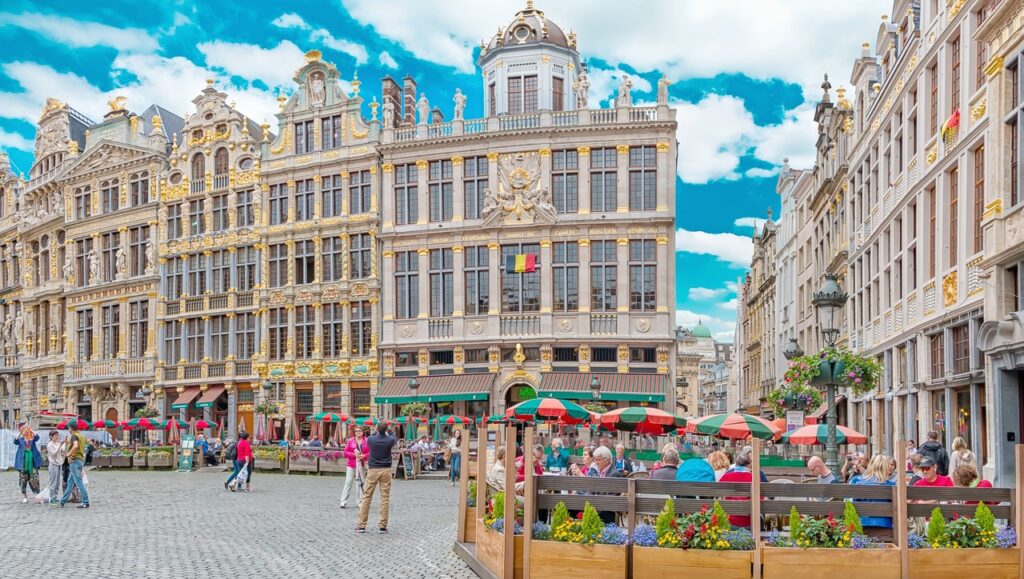
Without further ado, here are the 10 numbered sights described for an optimal day in Brussels. Each section is designed to be visited in order, with recommended durations so you can keep a brisk but rewarding pace.
1. Grand Place / Grote Markt
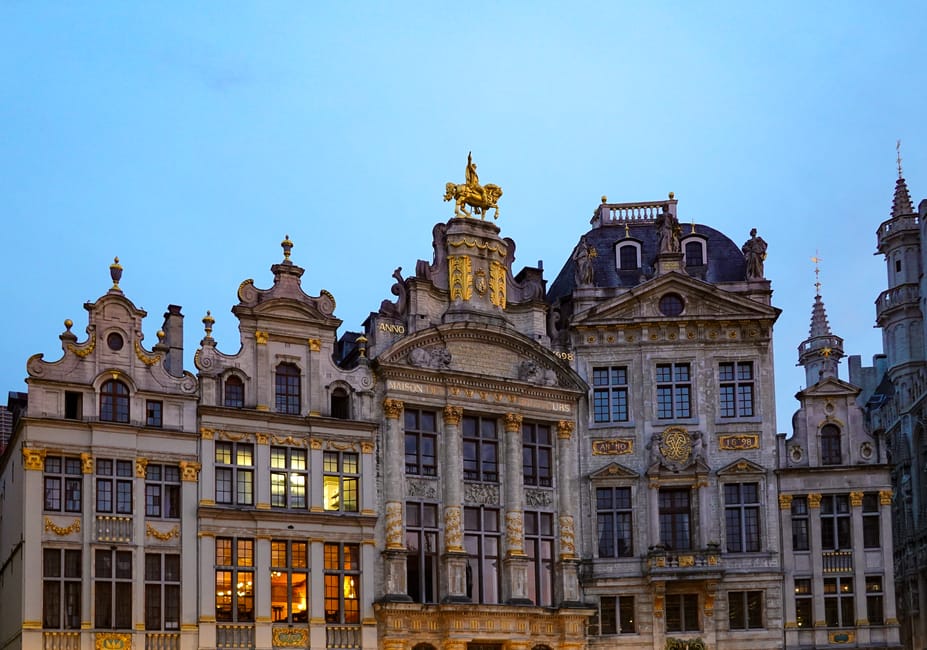
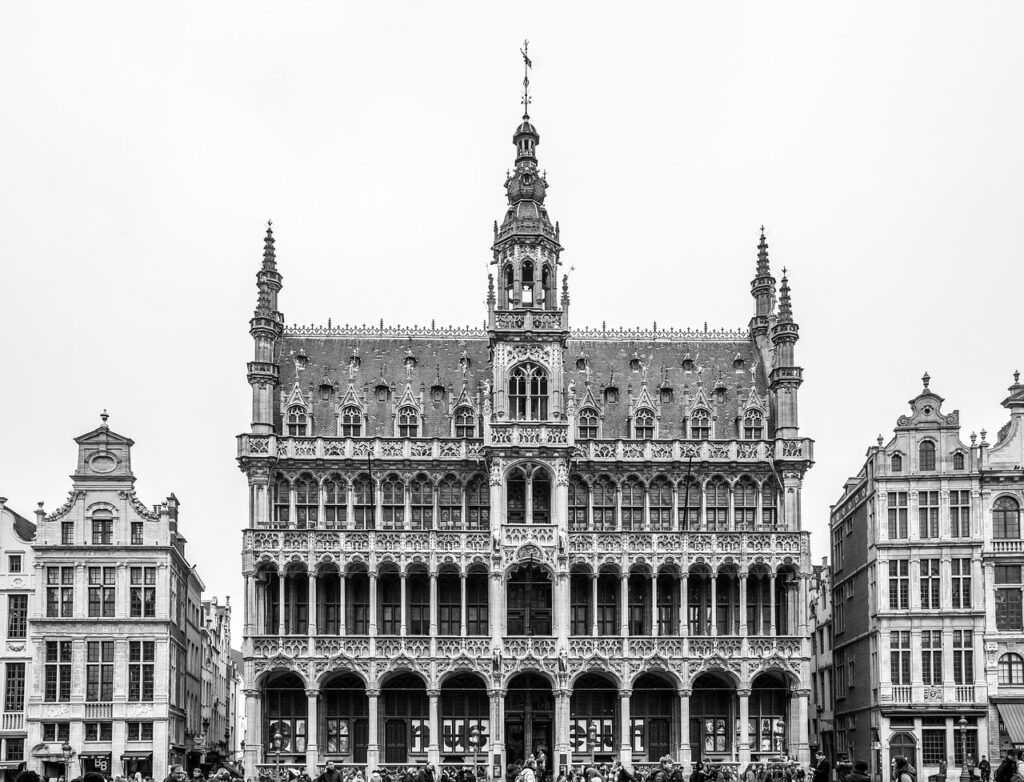
Address: Grand Place / Grote Markt, 1000 Brussels. The central hub and the ideal starting point for your day. The Grand Place is one of Europe’s most spectacular architectural ensembles and a UNESCO World Heritage site. Surrounded by the Breadhouse (Maison du Roi/Broodhuis), the Town Hall (Hôtel de Ville de Bruxelles, Rue de la Régence/Raadsplein 1) and numerous gilded guild houses adorned with sculptures, the square is worth visiting both day and night when the façades are lit up.
Opening hours: The square is public and accessible 24/7. The Town Hall runs guided tours in season; check with the tourist office for time slots (tours typically run between 10:00 and 17:00, varying by season).
Price: Access to the square is free. Guided tours of the Town Hall: roughly €5–€8 per person (indicative, often requires reservation).
Description: Admire the richly decorated baroque façades, the Maison du Roi which now houses the Museum of the City of Brussels (Museum of the City: Rue du Marché aux Herbes 1, see prices below) and the little shopping streets radiating from the square. The architecture reflects Brussels’ 17th-century commercial prestige; take time to spot the statues, heraldic symbols and subtle historical inscriptions hidden in the ornaments.
Local tips: Arrive early (before 10:00) to avoid crowds and get photos without tourists. If you’re there in August, look into temporary events (the flower carpet every other year, nighttime light shows). For a coffee with a view, the terrace at Café A La Mort Subite (near the square) is classic but touristy; instead, opt for one of the small adjoining side streets for a quieter café.
2. Manneken Pis
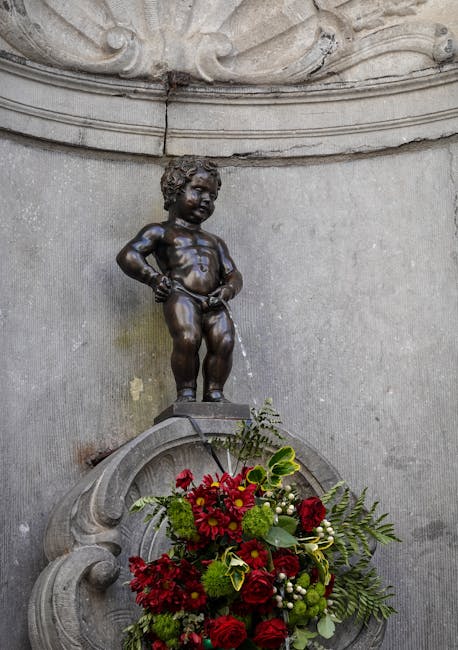
Address: Rue de l’Étuve / Stoofstraat 31, 1000 Brussels. Less than a five-minute walk from the Grand Place, Manneken Pis is a small bronze statue that’s become an ironic and charming emblem of Brussels’ cheeky spirit.
Opening hours: Public access 24/7 (outdoor statue). The small adjacent museum (costume interpretation center) has variable hours—check before you go.
Price: Free to view the statue. If you want to visit the costume collection (through the Museum of the City or nearby specialist shops), prices vary, often around €2–€5.
Description: The statue itself is about 61 cm tall and depicts a little boy urinating into a fountain. Its significance comes less from its size than from its history and costumes: the figure is regularly dressed for official or cultural events. The costume tradition is managed by the city and a collection of more than 900 outfits is kept at the Museum of the City.
Local tips: Snap your photo quickly and then explore the nearby lanes for chocolatiers and souvenir shops. Avoid pushy vendors; the area is very touristy. For a tasty local treat nearby, try fries from one of the well-known stands just a few streets away.
3. Royal Saint-Hubert Galleries (Galeries Royales Saint-Hubert)
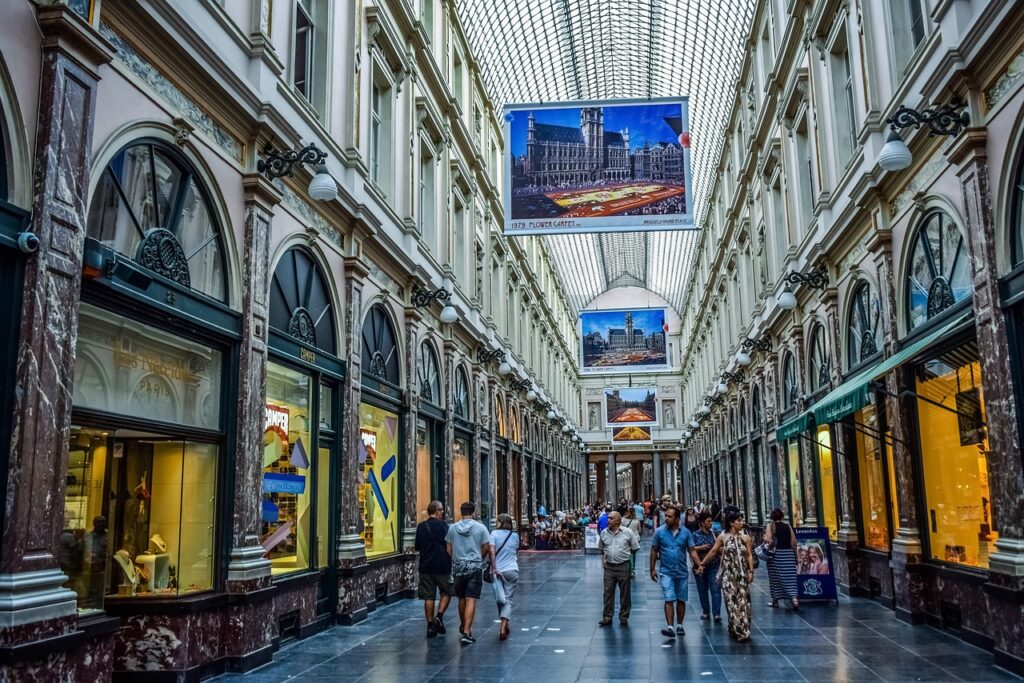
Address: Galerie du Roi / Koningsgalerij 5, 1000 Brussels. Opened in 1847, these covered galleries are among the oldest in Europe.
Opening hours: Shops and chocolatiers are typically open from 10:00 to 19:00; cafés vary by establishment. Some stores open earlier or close later—check individual places.
Price: Free access (public galleries). Prices for shops and museums inside vary.
Description: Two levels of elegant shops under a luminous glass roof: renowned chocolatiers (Neuhaus, Pierre Marcolini), specialist bookshops, jewelers and small theatres. The architecture is refined, with moldings, balustrades and decorative floors. These galleries are perfect for a stylish coffee break, a high-quality chocolate purchase or a quick shopping stop.
Local tips: For an authentic coffee, head to La Samaritaine or one of the chocolate salons. Comic-book fans can visit the nearby BD (comic) shop. If you’re short on time, allow about 15 minutes for a stroll and 30–45 minutes for shopping and tasting.
4. Cathedral of St. Michael and St. Gudula
Address: Parvis Sainte-Gudule / Sint-Goedelevoorplein, 1000 Brussels. This Gothic cathedral is a 10–15 minute walk from the Grand Place.
Opening hours: Generally open daily from 08:00 to 18:00 (hours vary with services and events). Visitors are usually advised to come outside of religious service times.
Price: Free entry (donations suggested). Guided tours or concerts may be ticketed (around €5–€10 for a guided tour).
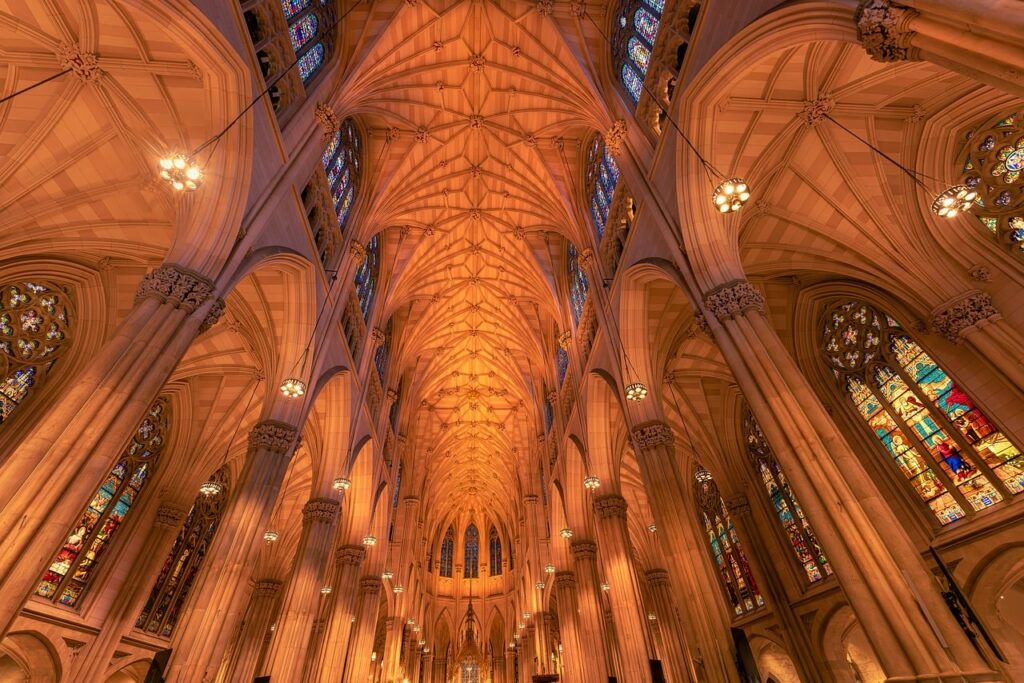
Description: The Cathedral of St. Michael and St. Gudula provides a calm sanctuary in the heart of the city. Its 19th-century stained glass, carved choir and monumental organ are well worth a close look. The building also houses richly decorated side chapels and historic tombs. The soaring Gothic interior creates beautiful light effects, especially in the late afternoon.
Local tips: Respect mass times and avoid heavy photography during services. For a deeper visit, check the schedule for organ concerts often held in summer. Take time to study the stained glass and sculptures—there are many religious and historical symbols to discover.
5. Mont des Arts and the Musical Instruments Museum (MIM)
Mont des Arts address: Mont des Arts / Kunstberg, 1000 Brussels. MIM address: Rue Montagne de la Cour / Hofbergstraat 2, 1000 Brussels.
Opening hours: Mont des Arts is a public space accessible 24/7; the MIM is typically open from 09:30 to 17:00 (hours vary—check online).
Price: Mont des Arts is free. MIM (Museum of Musical Instruments): adult ticket around €12 (indicative; reduced rates for students/seniors).
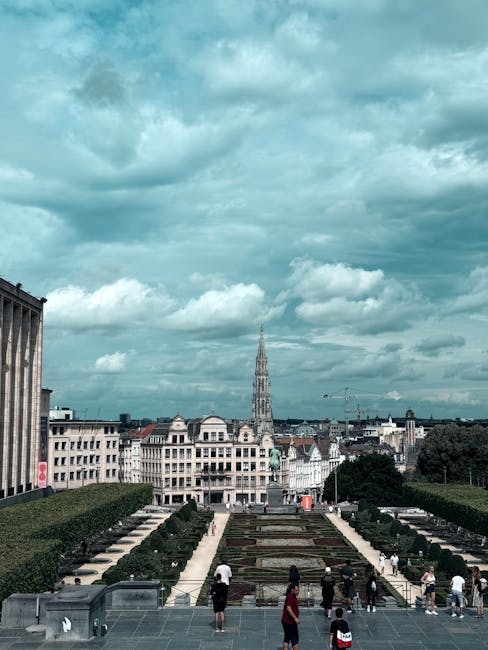
Description: Mont des Arts offers one of the city’s best viewpoints: terraced gardens and vistas toward the Royal Palace and the Church of St. James on Coudenberg. Housed in an Art Nouveau building, the MIM holds an exceptional collection of instruments from around the world and features an interactive route with audio guides (often included). The terrace is ideal for a panoramic photo stop.
Local tips: Go early to enjoy the view without crowds; if time is tight, stick to the terrace and book a quick visit to the MIM (45–60 minutes). The museum café is a pleasant spot for a calm lunch if you need a break.
6. Breadhouse / Museum of the City of Brussels (Maison du Roi)
Address: Rue du Marché aux Herbes / Grasmarkt, 1000 Brussels (on the Grand Place). The building, often called the Breadhouse or Maison du Roi, houses the Museum of the City.
Opening hours: Usually open 10:00 to 17:00 (closed some public holidays). Check seasonal hours.
Price: Adult entry roughly €8–€10 (indicative; reductions for students/seniors/children).
Description: The museum traces the history of Brussels with a rich collection of objects, paintings and costumes (notably those of the Manneken Pis). The exhibits are well staged and offer insight into the capital’s urban, social and cultural development. The neo-Gothic building itself is photogenic from the Grand Place.
Local tips: Allow 45–60 minutes for a full visit. Buy tickets online during high season to avoid queues. This museum is ideal right after visiting the Grand Place and Manneken Pis.
7. Magritte Museum (Musée Magritte)
Address: Rue de la Régence 3, 1000 Brussels (Magritte’s collection at the Royal Museums of Fine Arts; the Magritte Museum is centralized near Place Royale / Museumstraat).
Opening hours: Generally open from 10:00 to 18:00 (check for exact hours and closed days; extended hours some evenings).
Price: Adult ticket roughly €11–€15 depending on the exhibition (indicative). Reduced rates for students and young people; children often free up to a certain age.
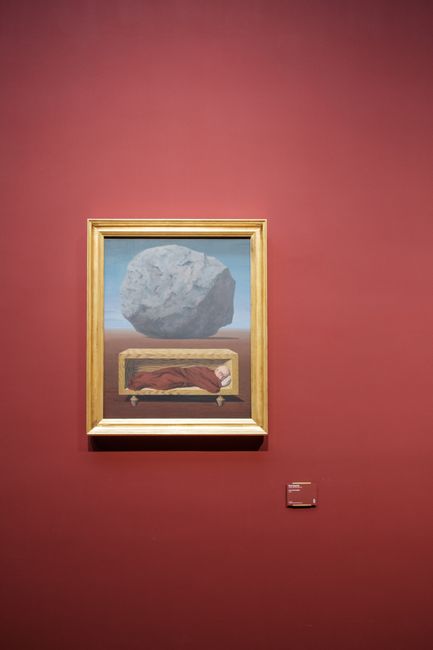
Description: The Magritte Museum presents a large collection of works by René Magritte, a key figure in Belgian surrealism. The rooms follow both a chronological and thematic layout that helps you appreciate the evolution of his visual language, recurring motifs (bowler hats, apples, windows) and techniques. The museum also provides contextual explanations that make the surrealism and often-playful humour in his work easier to understand.
Local tips: Book in advance during high season. Allow at least 60–90 minutes for a good overview. Audio guides are helpful if you’re not familiar with the art. Combine this visit with a walk through Brussels Park or the nearby Place Royale.
8. Belgian Comic Strip Center (Centre Belge de la Bande Dessinée)
Address: Rue des Sables / Zandstraat 20, 1000 Brussels.
Opening hours: Generally open 10:00 to 18:00 (hours vary with temporary exhibitions).
Price: Adult ticket roughly €10–€12 (indicative). Reduced rates for students, youth and families.
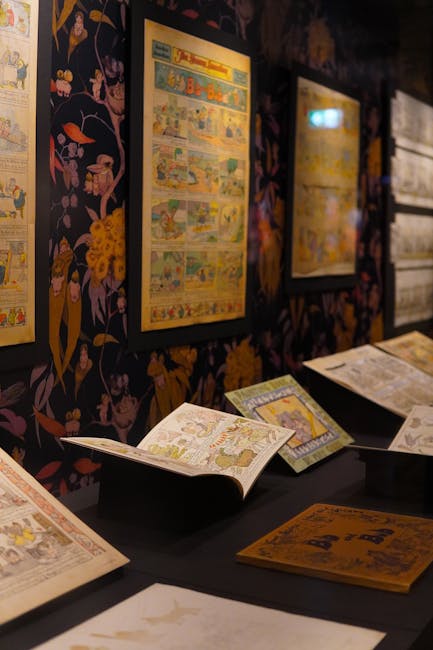
Description: Brussels is the comic-book capital of the world and this museum celebrates heroes like Tintin, the Smurfs, Lucky Luke and many more. Housed in a Victor Horta Art Nouveau building, the museum blends comic history, original panels, models and interactive zones for both kids and adults. Temporary exhibitions often highlight contemporary authors or specific themes.
Local tips: Recommended visit time 60–90 minutes. Buy tickets in advance if you want to avoid queues, especially on weekends. The museum shop offers original editions and unique souvenirs.
9. Cinquantenaire Park and the Arc of Triumph
Address: Parc du Cinquantenaire / Parc du Cinquantenaire, 1000 Brussels (the arcades are located near Avenue de la Renaissance / Renaissancelaan).
Opening hours: The park is open 24/7. Museums at Cinquantenaire (Autoworld, Royal Army and Military History Museum / Art & History) have variable hours—typically 09:30 to 17:00.
Price: Park access is free. Autoworld (automobile museum): adult ticket roughly €12–€15. Army Museum and Art & History: around €15 (indicative).
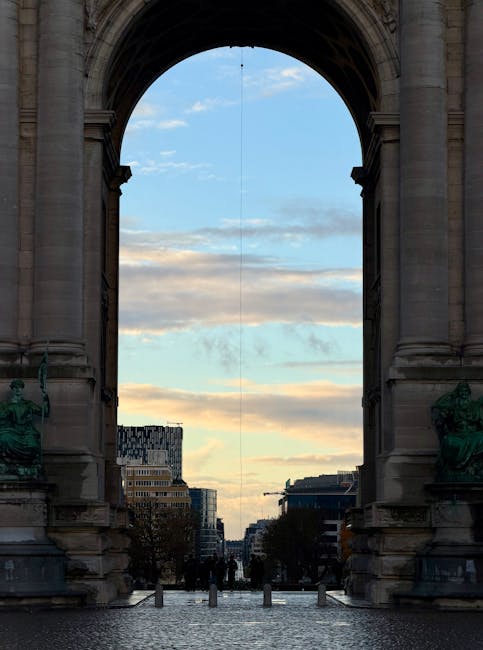
Description: Designed for the 1880 World’s Fair, the park is dominated by a grand Arc of Triumph and impressive arcades. It’s a green oasis perfect for a relaxing stroll after a busy morning of sightseeing. The museums around the park host collections of cars, military artifacts, archaeological and artistic objects—worth visiting if you have extra time.
Local tips: If short on time, walk through the park and climb the arc steps for a great photo. Autoworld is recommended for car enthusiasts—allow 1–2 hours. Museums often have temporary exhibitions; check online to avoid disappointment.
10. Atomium
Address: Square de l’Atomium, 1020 Brussels (Heysel / Heizel, Atomium Road). Metro: line 6 to Heysel / Heizel station.
Opening hours: Generally open 10:00 to 18:00 (hours vary; occasional late openings and special events). Check exact times online.
Price: Adult ticket roughly €16–€18 (indicative). Reduced rates for students, seniors and children. Includes access to the panorama floor and exhibitions. Online booking is recommended to avoid waiting.
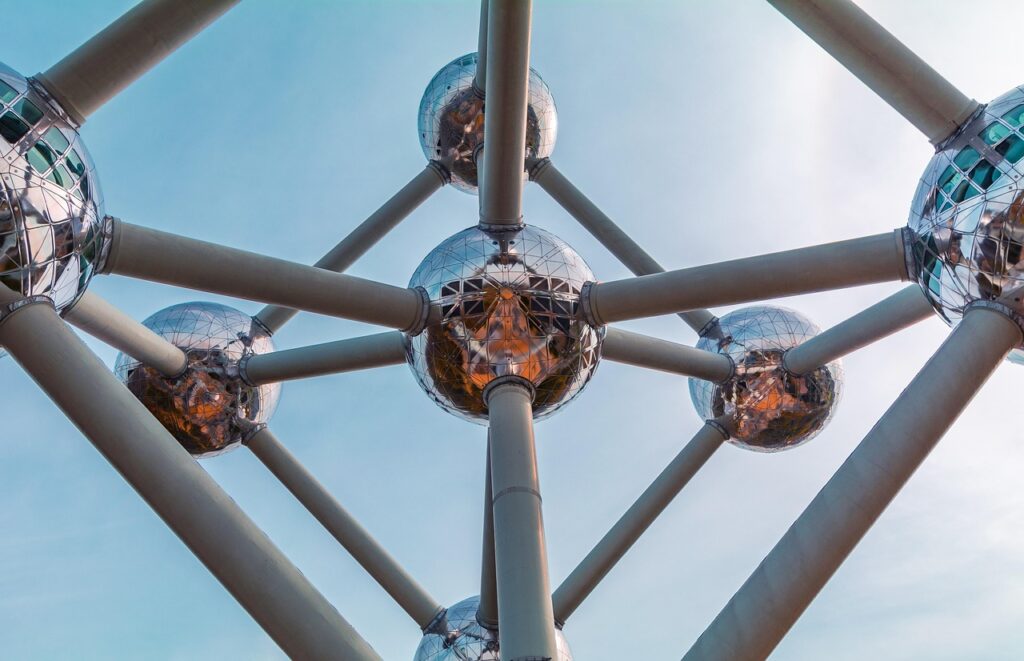
Description: Built for the 1958 World Expo, the Atomium represents an iron crystal unit enlarged 165 billion times. The connected spheres and tubes host permanent and temporary exhibitions and the top sphere provides a panoramic view of Brussels. The visit mixes futuristic architecture, Expo history and 1950s–60s design.
Local tips: This is the furthest point on the list—allow about 30–45 minutes on the metro from the city center. Book a timed ticket online. Expect 1–1.5 hours for a complete visit (exhibitions + panorama). If you’re pressed for time, take an exterior photo and stroll around Heysel Park.
Conclusion
Seeing Brussels in one day requires method, a tight selection and a good sense of pace. This 10-stop route balances historic squares, national museums, modern architecture and lighter moments (like the Manneken Pis). Follow this itinerary, start early, use the metro for the furthest points (Atomium/Heysel) and buy online tickets for paid attractions (Atomium, MIM, Magritte Museum, Comic Strip Center) to skip queues. Walking between the Grand Place, the Saint-Hubert Galleries, the cathedral, Mont des Arts and the Magritte Museum is perfectly feasible and often reveals unexpected discoveries around every corner.
Time-saving tips: Plan visits around opening hours (cathedrals and religious sites are quieter early in the morning; most museums open around 10:00). Also schedule short food breaks: a fries stand, a craft chocolate shop or a tea salon in the galleries will recharge you without costing time. If you travel light, favor a compact backpack and comfortable shoes—Brussels is best explored on foot, often on uneven cobbles.
Finally, leave room for the unexpected: a façade that catches your eye, a surprising temporary exhibition or a cosy café can turn a busy day into a memorable experience. Brussels blends institutional gravity with playful irony—and that duality is what makes every visit unique. Safe travels and enjoy your full day discovering Belgium’s capital!